Introduction: The Financial Shield for Your Cargo
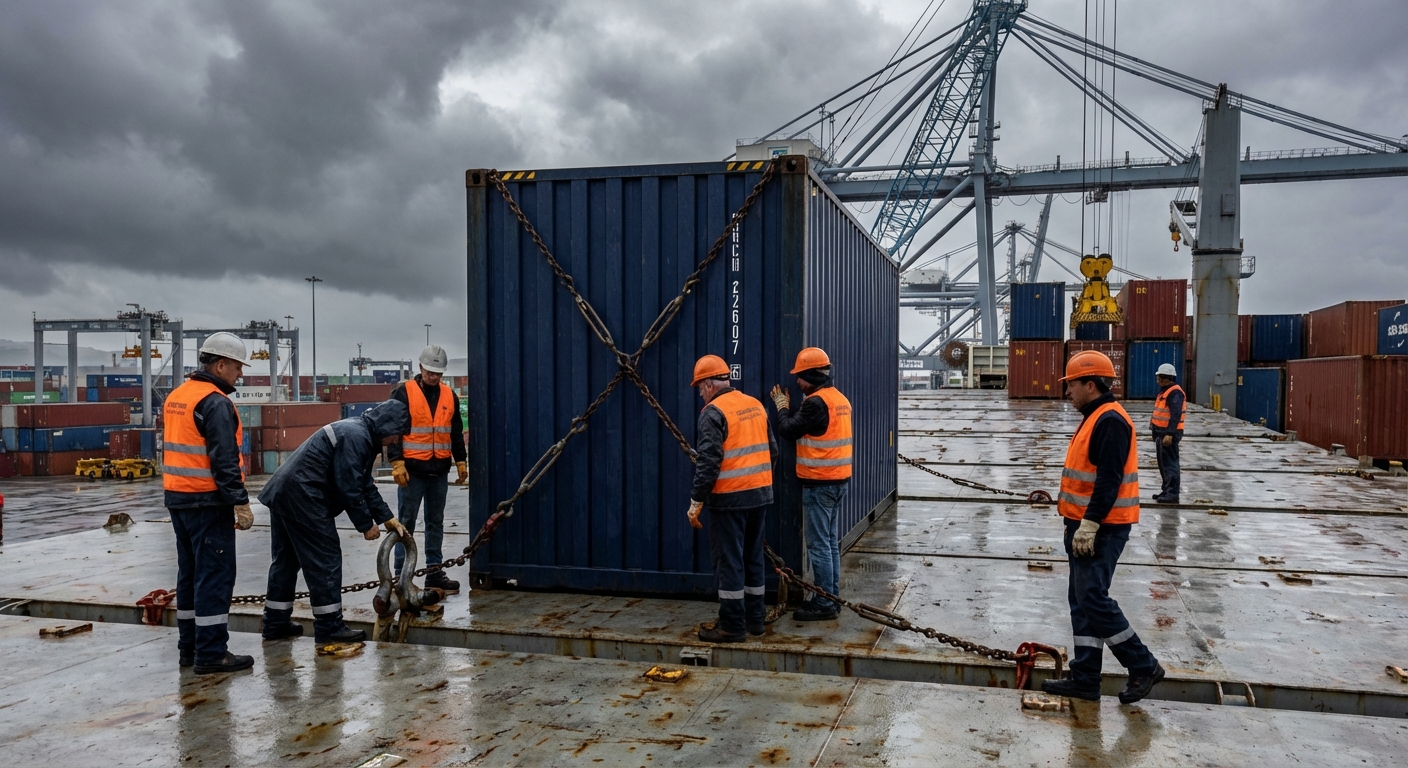
International commerce involves moving goods across oceans, continents, and multiple handling points. Every shipment faces potential hazards from the moment it leaves the warehouse until it reaches its final destination. A single mishap can result in devastating financial losses that could cripple a business.
This reality makes cargo protection insurance an indispensable component of global trade operations. Whether you're shipping electronics from Asia, textiles from Europe, or machinery across continents, understanding how to properly insure your goods isn't optional—it's a fundamental business requirement.
This comprehensive guide explores everything trade professionals need to know about protecting their shipments financially. From basic concepts to advanced strategies, we'll examine how this specialized coverage works, who needs it, and how to maximize protection while controlling costs.
The Fundamentals: What Cargo Transit Insurance Really Means
Defining the Protection Mechanism
Cargo transit insurance represents a specialized financial instrument designed to shield businesses from monetary losses when goods are damaged, destroyed, or disappear during transportation. This protection extends across all transport modes—maritime vessels, aircraft, trucks, and rail systems.
Contrary to common misconceptions, this coverage applies equally to:
- Cross-border shipments traveling internationally
- Domestic cargo moving within national boundaries
- Multimodal transport involving multiple carriers
- Port-to-port movements
- Door-to-door delivery arrangements
The coverage activates when goods suffer physical damage, complete loss, or partial destruction during the transit period specified in the policy terms.
The Core Purpose in Modern Commerce
Global supply chains have become increasingly complex, involving numerous intermediaries, multiple transport stages, and extended transit times. Each link in this chain introduces potential failure points where cargo could be compromised.
Consider a typical export scenario: goods move from the manufacturer's facility to a consolidation warehouse, then to a port, across ocean waters, through another port, and finally to the buyer's location. This journey might span weeks and cross several jurisdictions with varying infrastructure quality and handling standards.
Without appropriate financial protection, a single adverse event could eliminate the profit from dozens of successful transactions.
Why Cargo Insurance Demands Serious Attention
The Spectrum of Transit Risks
International shipments face an extensive array of potential threats:
Physical Handling Hazards:
- Improper loading and unloading procedures causing impact damage
- Inadequate securing of cargo leading to shifting during transport
- Forklift accidents and mechanical handling errors
- Dropping of containers or pallets
- Crushing from stacking pressure
Transportation-Specific Dangers:
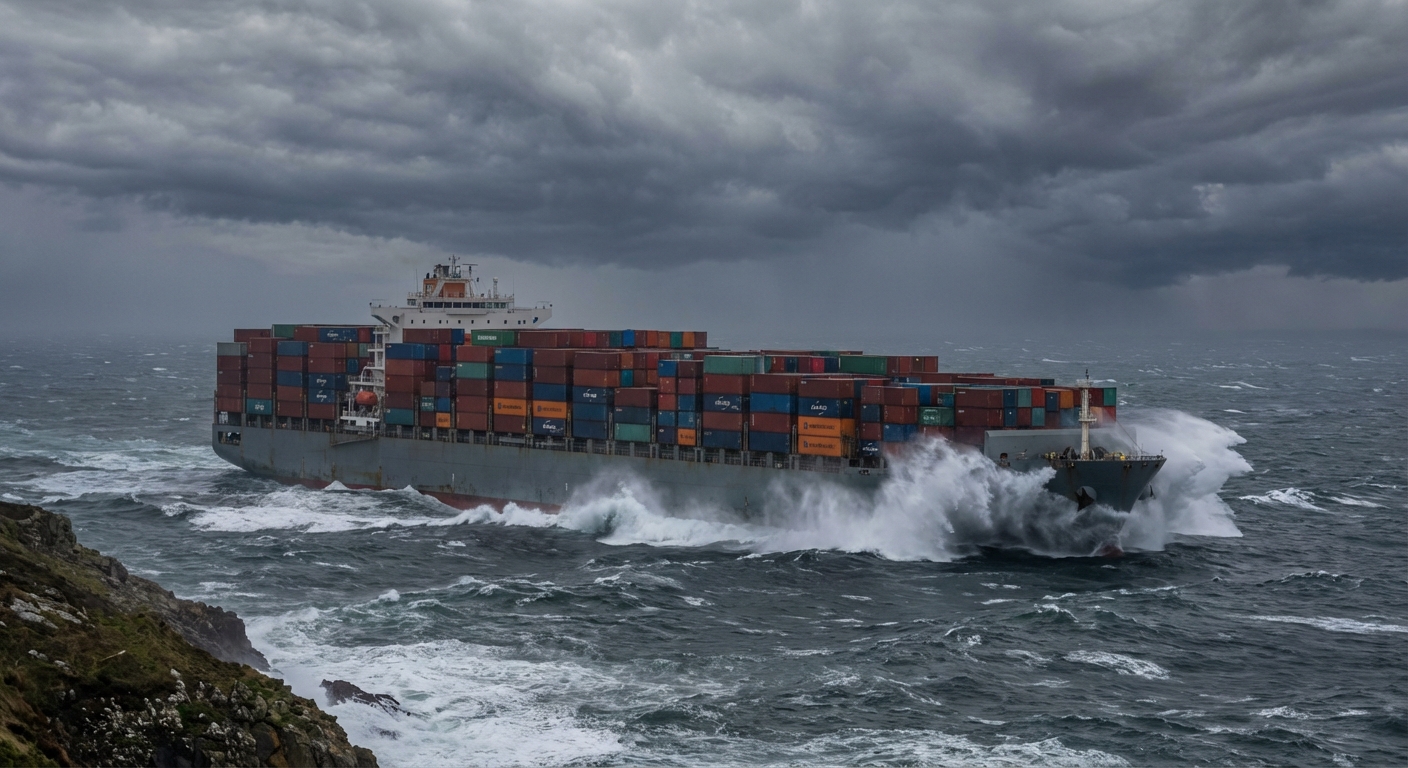
- Maritime vessels encountering severe weather systems
- Aircraft cargo hold pressurization issues
- Truck accidents on highways
- Railway derailments
- Vessel collisions or grounding
Environmental Threats:
- Saltwater intrusion damaging goods
- Extreme temperature fluctuations
- Humidity causing condensation damage
- Contamination from other cargo
- Exposure to rain or snow during transfers
Criminal Activities:
- Organized cargo theft rings
- Pilferage by handling personnel
- Hijacking of transport vehicles
- Container seal tampering
- Fraudulent documentation schemes
Catastrophic Events:
- Earthquakes affecting port infrastructure
- Hurricanes and typhoons disrupting shipping routes
- Flooding at transit points
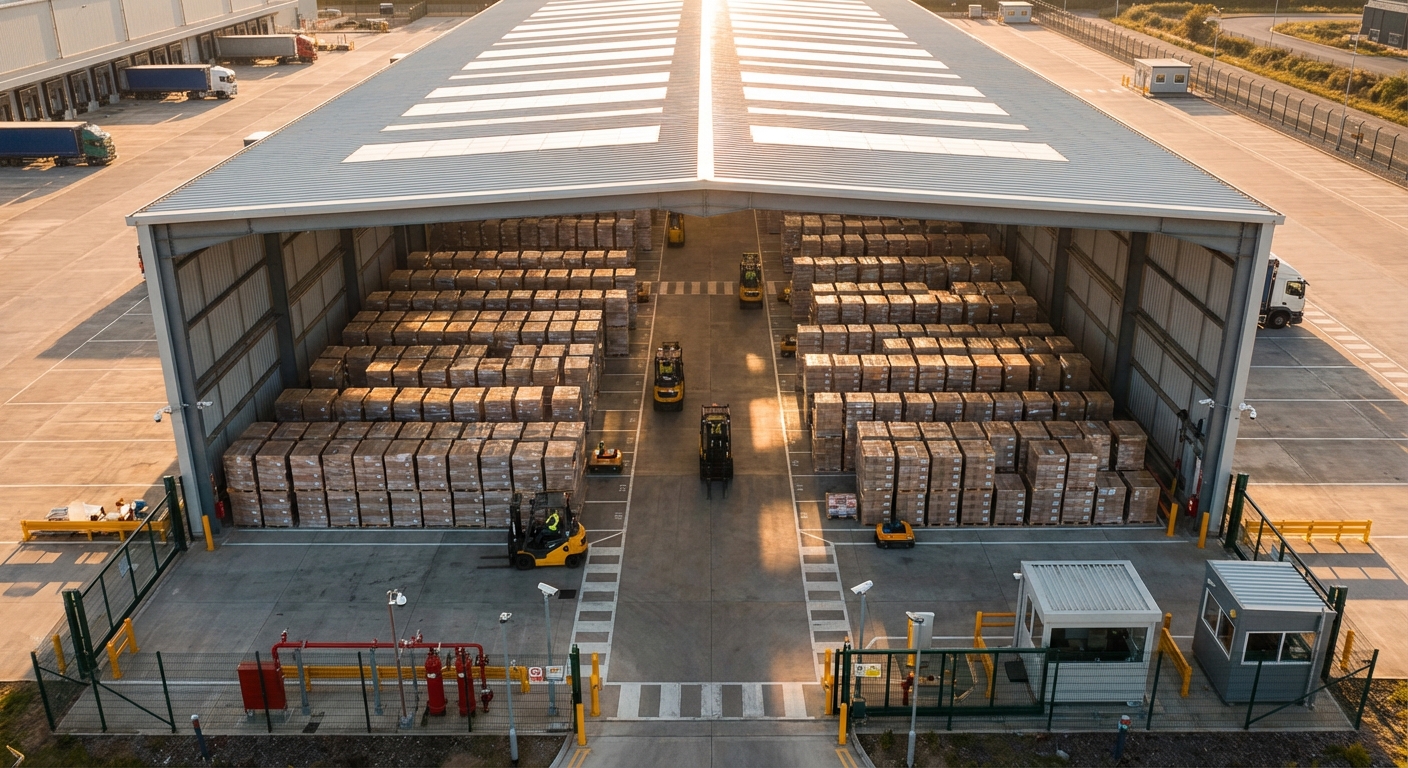
- Fire in warehouses or aboard vessels
- Explosions from adjacent cargo
The Financial Impact Without Protection
When disaster strikes an uninsured shipment, the consequences extend far beyond the immediate loss:
Direct Financial Losses:
- Total value of destroyed merchandise
- Partial loss requiring discounted liquidation
- Complete write-off of inventory investment
Secondary Business Impacts:
- Inability to fulfill customer orders
- Damaged reputation with buyers
- Lost future business opportunities
- Strained relationships with trading partners
- Potential legal disputes over responsibility
Operational Disruptions:
- Emergency replacement sourcing at premium prices
- Expedited shipping costs for substitute goods
- Production delays from missing materials
- Supply chain bottlenecks affecting multiple products
For small and medium enterprises, a single major uninsured loss could threaten business viability. Even established corporations prefer transferring this risk rather than absorbing unpredictable losses.

Coverage Categories: Understanding Your Options
Comprehensive Protection Approaches
All-Risk Coverage (Institute Cargo Clause A):
This premium tier provides the broadest protection available, covering virtually all loss or damage causes except specifically excluded perils. Under this approach, any loss is presumed covered unless the insurer can demonstrate it falls under an explicit exclusion.
Typical exclusions include:
- Willful misconduct by the insured party
- Ordinary leakage and natural wear
- Inadequate packaging (when the insured knew beforehand)
- Inherent vice of the goods
- Delay-related losses
- Insolvency of vessel operators
This coverage suits high-value goods, fragile products, or situations where comprehensive peace of mind justifies the higher premium.
Named Perils Coverage (Institute Cargo Clause B):
This intermediate protection level covers specific listed risks:
- Fire and explosion incidents
- Vessel stranding, grounding, or capsizing
- Overturning of transport vehicles
- Collision of vessels with external objects
- Discharge at distress ports
- General average sacrifice
- Jettison of cargo
- Washing overboard by waves
- Earthquake, volcanic eruption, or lightning
This option balances cost against protection, suitable for moderately valuable cargo with lower risk profiles.
Minimum Coverage (Institute Cargo Clause C):
The most basic and economical option covers only major catastrophic events:
- Total loss from vessel sinking
- Fire or explosion
- Vessel collision with another vessel
- General average sacrifice
- Jettison
This minimal protection suits low-value bulk commodities where the statistical risk doesn't justify higher premiums.
Specialized Extensions
War and Strikes Coverage:
Standard policies exclude losses from:
- Armed conflict and civil war
- Terrorism and sabotage
- Labor strikes affecting ports
- Civil commotion and riots
Separate war risk endorsements provide this coverage when shipping through conflict zones or politically unstable regions.
Inland Transit Extensions:
Many policies focus on the main ocean voyage but overlook inland segments. Extensions cover:
- Factory to port movements (origin country)
- Port to final destination (receiving country)
- Storage at intermediate warehouses
- Customs examination facilities

Determining Responsibility: The Incoterms Connection
How Trade Terms Dictate Insurance Obligations
International Commercial Terms (Incoterms) define not just delivery responsibilities but also which party bears risk at each transit stage. This directly determines who needs insurance coverage.
Buyer's Insurance Responsibility:
Under terms like EXW (Ex Works), FCA (Free Carrier), FAS (Free Alongside Ship), and FOB (Free on Board), the seller's responsibility ends early in the journey. The buyer assumes risk and must arrange coverage from the specified handover point.
Seller's Insurance Responsibility:
With CIF (Cost, Insurance, and Freight) or CIP (Carriage and Insurance Paid) terms, the seller must provide minimum insurance coverage (typically Clause C or equivalent). However, smart buyers often purchase supplementary coverage since minimum protection may prove inadequate for valuable cargo.
Shared Risk Situations:
Terms like CFR (Cost and Freight) create situations where the seller arranges transport but the buyer bears the risk. Clear understanding prevents dangerous gaps where each party assumes the other has coverage.
Practical Insurance Arrangements
Example scenario: In a FOB transaction, the exporter receives payment when goods board the vessel. From that point forward, the importer owns the goods and faces loss if anything happens. Therefore, the importer needs insurance from the loading port onward, even though the exporter might arrange the policy as a service and add the cost to the invoice.
Policy Parameters: What's Protected and What Isn't
Standard Inclusions
Typical cargo insurance policies cover:
Physical Loss or Damage:
- Complete destruction of goods
- Partial damage requiring repair or refurbishment
- Contamination rendering products unusable
- Breakage of fragile items
- Water damage from vessel leaks
Additional Expenses:
- General average contributions
- Salvage charges
- Sue and labor costs (reasonable expenses to minimize loss)
- Forwarding charges to final destination after an incident
Common Exclusions
Understanding what policies DON'T cover prevents nasty surprises:
Inherent Product Issues:
- Goods naturally deteriorating over time
- Perishables spoiling within normal shelf life
- Products with manufacturing defects
- Packaging inadequate for the journey
Indirect Losses:
- Consequential damages like lost profits
- Market losses from delayed delivery
- Currency fluctuation impacts
- Loss of market opportunity
Specific Circumstances:
- Nuclear incidents
- Unseaworthiness of vessels (when known to insured)
- Improper packing by the insured
- Losses from customs rejection
- Intentional damage
Delay-Related Issues:
This critical exclusion catches many traders unaware. If goods arrive late but undamaged—even if the delay causes financial loss—standard policies don't respond. The cargo must suffer physical damage for claims to succeed.
Premium Calculation: Factors Affecting Your Investment
Primary Cost Determinants
Insured Value Basis:
Premiums calculate based on the declared cargo value, typically:
- Invoice value of goods
- Plus freight charges
- Plus 10% margin for anticipated profit and additional costs
- This creates the "CIF + 10%" calculation basis
Cargo Classification:
Products fall into risk categories:
- Hazardous goods (chemicals, batteries) command higher rates
- Fragile items (electronics, glassware) face elevated premiums
- Bulk commodities (grains, minerals) qualify for lower rates
- High-theft items (smartphones, jewelry) attract surcharges
Transportation Route:
Geographic and logistical factors impact pricing:
- Well-established trade lanes offer competitive rates
- Routes through piracy zones require additional premiums
- Politically unstable regions increase costs
- Weather-prone areas (monsoon, hurricane seasons) affect pricing
- Transit through multiple handling points raises rates
Vessel and Carrier Quality:
- Modern vessels with excellent safety records reduce premiums
- Established shipping lines with proper procedures get favorable rates
- Aging vessels or questionable operators increase costs
- Carrier financial stability factors into underwriter decisions
Packaging Standards:
- Export-grade packaging qualifies for standard rates
- Inadequate protection triggers premium surcharges
- Specialized containers (refrigerated, ventilated) affect pricing
- Proper palletization and securing reduce risk and cost
Claims History:
- Clean records enable negotiating better rates
- Frequent claims trigger premium increases
- Loss ratios determine renewal terms
- Industry claims trends affect overall pricing
Volume Advantages
Regular shippers can leverage their business:
Annual Declaration Policies:
Rather than insuring each shipment individually, high-volume traders can arrange open policies covering all shipments for a year. Benefits include:
- Simplified administration
- Reduced per-shipment costs
- Consistent coverage terms
- Easier claims processes
- Negotiated premium discounts based on total volume
Critical Mistakes That Inflate Costs and Create Coverage Gaps
Underinsurance Pitfalls
Mistake: Insuring only the product invoice value without including freight, duties, and profit margins.
Consequence: When loss occurs, the payout covers just the goods' value, leaving the business to absorb transportation costs, import duties already paid, and lost profit. The actual financial impact far exceeds the insurance recovery.
Solution: Always insure for CIF value plus 10-20% to cover all expenses and anticipated margins.
Inadequate Coverage Selection
Mistake: Selecting minimum coverage (Clause C equivalent) solely to reduce premium expenses.
Consequence: Most common loss causes—handling damage, theft, vehicle accidents—fall outside minimal coverage. When claims arise, businesses discover they're essentially uninsured for real-world risks.
Solution: Match coverage level to cargo value and vulnerability. For valuable or fragile goods, comprehensive protection justifies the incremental cost.
Overlooking Inland Transit Segments
Mistake: Focusing insurance only on the main ocean or air voyage while ignoring inland transportation before and after.
Consequence: Significant risk exposure during factory-to-port and port-to-door movements remains unprotected. Statistics show substantial losses occur during these segments.
Solution: Ensure policies explicitly include warehouse-to-warehouse coverage spanning the entire journey.
Documentation Errors
Mistake: Policy documents showing incorrect company names, addresses, or legal entities.
Consequence: Claims get rejected because the named insured doesn't match the party suffering the loss. Legal entities must align perfectly.
Solution: Verify all policy documentation shows exact legal names and addresses matching commercial invoices and company registrations.
Delayed Claim Notification
Mistake: Failing to promptly notify insurers when damage or loss occurs.
Consequence: Policies require immediate notification (typically within 72 hours of discovery). Delays provide grounds for claim denial, particularly if the delay complicates loss investigation.
Solution: Establish procedures ensuring immediate insurer notification when any incident occurs, even before determining full loss extent.
Backdating Attempts
Mistake: Trying to arrange insurance coverage after cargo has already sailed or after learning of an incident.
Consequence: Backdating insurance constitutes fraud. Even if accepted initially, subsequent investigation will void the policy and deny claims. Legal consequences may follow.
Solution: Arrange coverage before cargo moves. For regular shippers, open policies eliminate this risk by providing automatic coverage.
Currency Mismatches
Mistake: Policy denominated in one currency while commercial invoice uses another.
Consequence: Exchange rate fluctuations between transaction and claim settlement create valuation disputes. Settlement amounts may fall short of actual losses when converted.
Solution: Ensure policy currency matches invoice currency. If impossible, use exchange rates from the transaction date, not settlement date.
Best Practices for Optimal Protection
Comprehensive Risk Management Approach
1. Assess Actual Exposure:
Before selecting coverage, thoroughly analyze:
- Complete transit route and handling points
- Historical loss data for similar cargo and routes
- Seasonal risk variations
- Political and security situations in transit countries
- Carrier reliability and safety records
2. Proper Valuation:
Calculate insured value including:
- Ex-factory cost or purchase price
- Export packing expenses
- Inland freight to departure port
- Loading and handling charges
- Ocean or air freight
- Insurance premium itself
- Estimated profit margin (10-20%)
- Import duties and taxes (for imports)
3. Documentation Excellence:
Maintain comprehensive records:
- Detailed packing lists with quantities and values
- Commercial invoices
- Transport documents (bill of lading, airway bill)
- Quality inspection certificates
- Photographs of cargo condition at origin
- Proper cargo survey reports if damage occurs
4. Select Appropriate Coverage:
Match protection to cargo characteristics:
- High-value items: Comprehensive all-risk coverage
- Standard manufactured goods: Named perils coverage
- Bulk commodities: Minimum coverage may suffice
- Fragile or sensitive products: All-risk with special clauses
5. Establish Efficient Claims Procedures:
Prepare in advance:
- Know exact notification requirements and timeframes
- Understand what documentation insurers require
- Identify approved surveyors at common destinations
- Train staff on immediate response protocols
- Maintain emergency insurer contact information
Cost Optimization Strategies
Volume Consolidation:
Group shipments with consistent insurers to qualify for:
- Preferred customer pricing
- Simplified administration
- Reduced per-shipment handling fees
- Relationship discounts
Risk Reduction Measures:
Lower premiums through:
- Superior export packaging standards
- Selecting premium carriers with excellent records
- Avoiding high-risk seasons when possible
- Implementing robust quality control reducing damage claims
- Installing tracking devices on high-value shipments
Regular Policy Reviews:
Conduct annual evaluations:
- Compare multiple insurer offerings
- Reassess coverage levels against current needs
- Review claims experience and adjust accordingly
- Negotiate terms based on clean loss records
- Update insured values reflecting current costs
Conclusion: Insurance as Strategic Investment, Not Expense
Cargo protection insurance represents far more than a regulatory requirement or grudging cost of doing business. When properly understood and implemented, it becomes a strategic tool enabling confident global expansion.
The relatively modest premium investment—typically 0.2% to 2% of cargo value depending on coverage and risk factors—delivers disproportionate value. This small cost eliminates catastrophic loss potential that could otherwise destroy years of profitable operations.
Smart traders approach cargo insurance systematically:
- They thoroughly understand their risk exposure under applicable Incoterms
- They select coverage levels matching cargo value and vulnerability
- They ensure policies cover the complete transit journey
- They maintain impeccable documentation
- They implement proper claims procedures
By treating cargo insurance as a strategic investment rather than an unavoidable expense, businesses position themselves for sustainable growth in international markets while protecting against the unpredictable nature of global logistics.