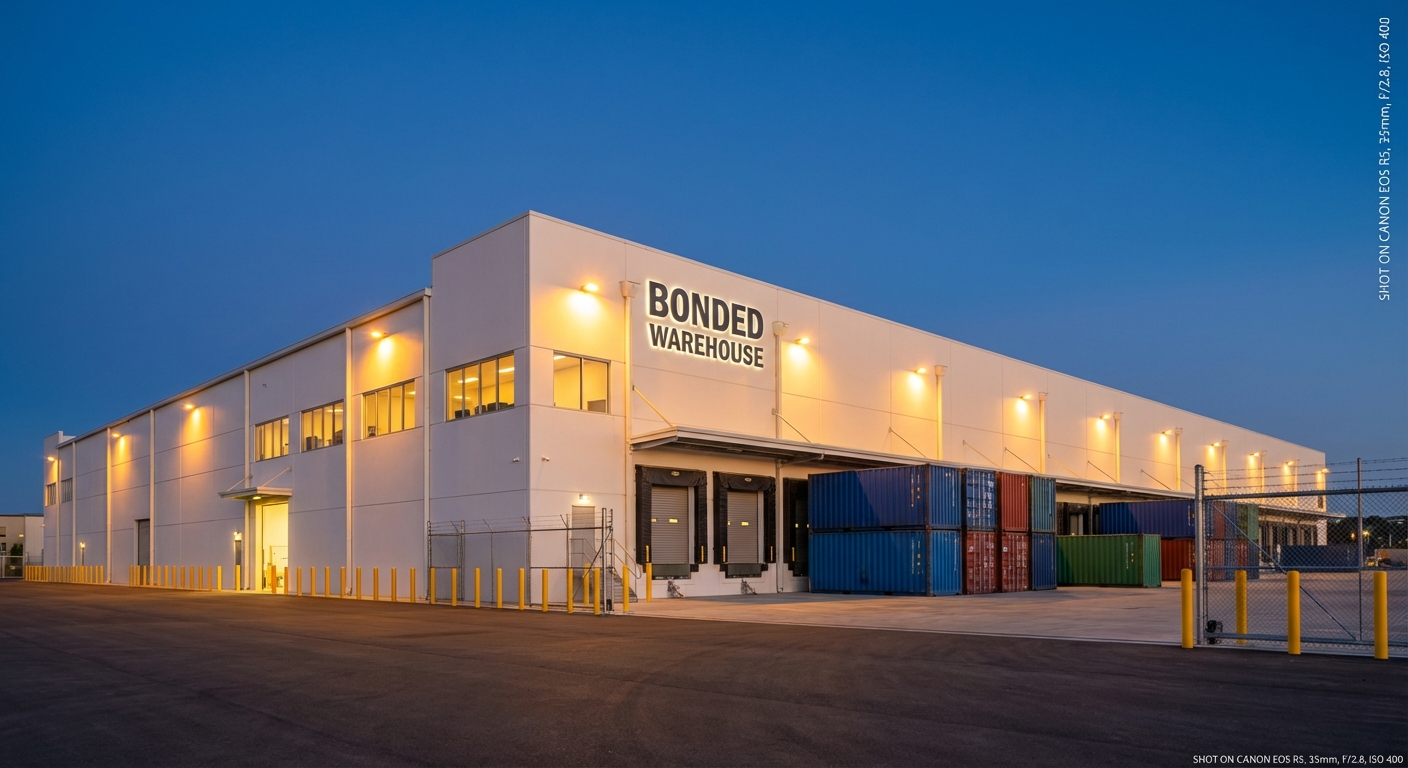
Introduction: The Strategic Advantage of Bonded Storage in Export Trade
In the complex landscape of international trade, merchant exporters face a unique operational challenge: how to efficiently consolidate, prepare, and ship goods sourced from various manufacturers without owning production facilities. The solution lies in understanding and utilizing one of customs authorities' most valuable offerings—the bonded warehouse system.
For trading enterprises that buy finished products from multiple vendors and resell them internationally, bonded warehouses represent more than just storage space. They function as customs-supervised export preparation centers that provide legal authority to aggregate merchandise, complete compliance formalities, and prepare shipments under official oversight—all while deferring tax obligations until goods actually leave the country's borders.
This comprehensive guide explores how export-focused traders can strategically employ bonded warehouse facilities to optimize their operations, reduce financial strain, and maintain regulatory compliance throughout the export process. Whether you're an established merchant exporter or exploring trading opportunities, understanding this infrastructure will fundamentally change how you approach international sales.
What Exactly Constitutes a Customs Bonded Warehouse?
A customs bonded warehouse represents a specialized storage facility operating under direct customs department authorization and supervision. These premises hold a unique legal status that permits businesses to store merchandise destined for export or imported goods awaiting clearance without triggering immediate duty or tax payments.
The Legal Framework Behind Bonded Facilities
The bonding arrangement creates a legal agreement between the warehouse operator and customs authorities, establishing specific conditions under which goods may be stored, handled, and processed. This bond essentially guarantees that:
- All stored merchandise remains under customs surveillance
- Duties will be paid if goods enter domestic consumption
- Proper records track every movement and transaction
- Only authorized activities occur within the premises
- Compliance with all applicable trade regulations is maintained
Why "Bonded" Matters for Your Business
The term "bonded" signifies the financial guarantee provided by the warehouse operator to customs. This security arrangement protects government revenue while enabling traders to enjoy significant operational and financial advantages. Think of it as creating a temporary duty-free zone specifically designed for your export preparation activities.
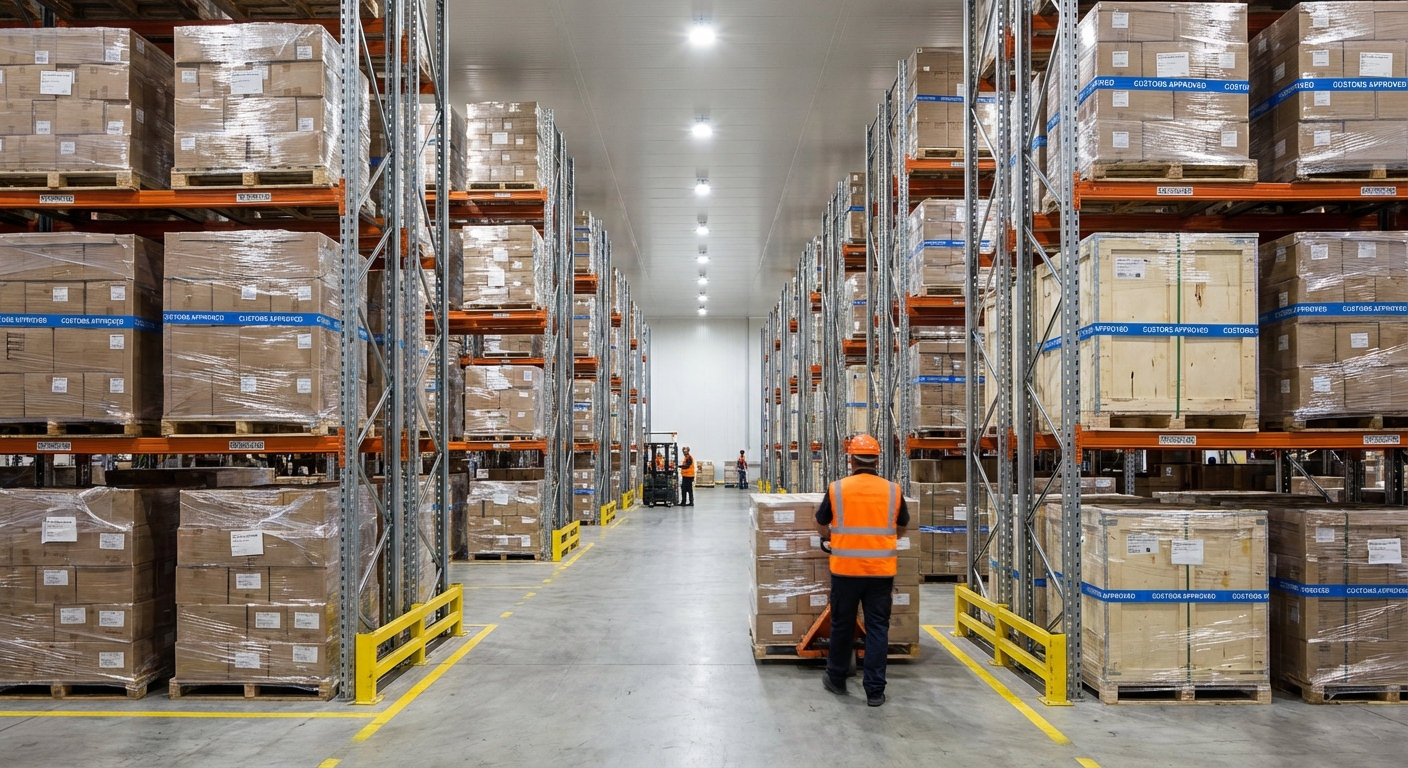
The Financial and Operational Benefits Explained
Working Capital Preservation
Traditional import-export operations require substantial upfront capital for duty payments. Bonded warehousing fundamentally changes this equation by allowing businesses to:
- Postpone duty payments until goods enter final consumption or export
- Improve cash flow management by eliminating premature tax outlays
- Allocate resources to business growth rather than tying up funds in duties
- Reduce financial risk on goods that may eventually be re-exported
Supply Chain Flexibility Enhancement
Modern export businesses rarely operate with simple, linear supply chains. Bonded facilities provide the flexibility to:
- Store merchandise for extended periods while finalizing international buyers
- Consolidate shipments from various suppliers into single export consignments
- Respond quickly to changing market demands without duty implications
- Manage seasonal inventory fluctuations efficiently
Compliance and Quality Assurance Advantages
Operating within a bonded environment means customs officials already recognize and approve your preparation activities, which:
- Streamlines inspection and examination processes
- Provides official documentation of proper handling
- Enables quality control procedures under customs observation
- Facilitates various regulatory certifications required for exports
Understanding the Merchant Exporter's Unique Position
The Trading Business Model Defined
Merchant exporters occupy a distinct niche in international commerce. Unlike manufacturer-exporters who produce their own goods, merchant exporters:
- Source products from numerous independent manufacturers
- Aggregate different items to fulfill diverse international orders
- Create value through market knowledge and buyer relationships
- Operate without production infrastructure or factory premises
This business model offers tremendous flexibility but creates specific logistical challenges that bonded warehouses directly address.
The Primary Operational Challenge
Consider a typical scenario: You've secured an export order requiring products from five different manufacturers across three states. Each supplier produces different components, ships at different times, and uses varying packaging standards. You need somewhere to:
- Receive all these diverse shipments
- Verify quality and quantity
- Repackage according to international buyer specifications
- Apply proper export labeling and documentation
- Consolidate everything for container loading
- Complete all regulatory inspections
Without premises recognized by customs for these activities, you'd face significant legal and practical obstacles. This is precisely where bonded warehouse facilities become indispensable.
Critical Limitation to Understand
One fundamental restriction applies to bonded warehouse operations: manufacturing activities are strictly prohibited. The facility authorization covers only:
- Receiving and storing goods
- Sorting and segregation
- Packing and repacking operations
- Labeling and marking
- Quality inspection preparation
- Container stuffing for export
Any value-addition through manufacturing, processing, or transformation of goods falls outside permitted activities and violates bonding conditions.
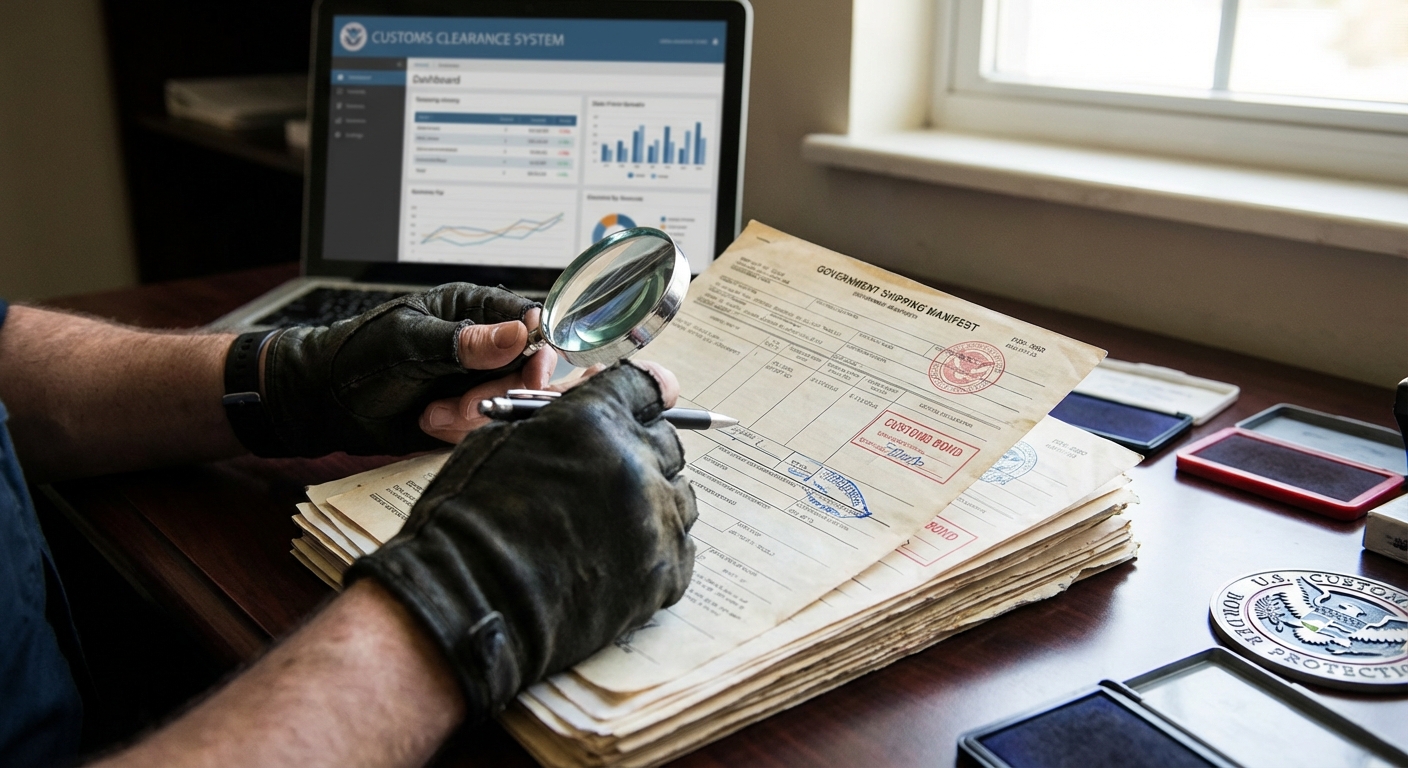
How Merchant Exporters Create Virtual Export Factories
The Conceptual Framework
For trading businesses, a bonded warehouse essentially functions as an officially sanctioned export preparation facility—think of it as a factory substitute specifically designed for consolidation and compliance activities rather than production.
This creates a legal space where you can:
- Centralize operations under customs supervision
- Perform all necessary pre-export preparations
- Maintain complete regulatory compliance
- Operate with customs department recognition and approval
Activities Permitted Within Bonded Premises
Understanding what you can accomplish inside these facilities helps you design efficient export workflows:
Receiving and Storage Operations:
- Accept shipments from multiple domestic suppliers
- Store goods for reasonable duration pending export
- Maintain segregation between different consignments
- Track inventory under customs-approved systems
Preparation and Packaging Work:
- Open manufacturer packaging for inspection
- Repack according to international standards
- Apply buyer-specific labeling and marking
- Create master cartons for shipping
- Prepare pallets and unit loads
- Implement barcoding systems
Compliance and Certification Activities:
- Facilitate export inspection agency visits
- Enable health authority examinations
- Arrange plant quarantine certifications
- Complete sanitary and phytosanitary requirements
- Undergo quality verification processes
Export Documentation Procedures:
- Prepare shipping bills while goods remain in bond
- Complete customs declarations
- Submit for examination and assessment
- Obtain necessary clearances
Final Shipment Operations:
- Stuff containers under customs supervision
- Apply customs or self-sealing (if authorized)
- Prepare bills of lading and shipping documents
- Coordinate transportation to ports or borders
Step-by-Step Implementation Guide for Bonded Warehouse Utilization
Phase 1: Facility Identification and Selection
Finding the Right Bonded Warehouse
Your first critical decision involves selecting an appropriate facility. Key considerations include:
- Location proximity to major Container Freight Stations (CFS) or Inland Container Depots (ICD)
- Customs jurisdiction and processing efficiency
- Available services such as handling equipment, refrigeration, or specialized storage
- Cost structure including storage charges, handling fees, and additional service costs
- Operator reputation for reliability and compliance
Questions to Ask Potential Warehouse Operators:
- What is your customs license number and validity?
- Which export documentation services do you provide?
- What inspection facilities are available on-site?
- How quickly can customs examinations be arranged?
- What container stuffing equipment and procedures do you support?
- Can you handle specific product categories (perishables, hazardous materials, etc.)?
Phase 2: Procurement and Supplier Coordination
Organizing Your Supply Chain
Once your bonded facility is secured, coordinate with manufacturers supplying your export goods:
- Provide clear specifications for initial packaging
- Share bonded warehouse delivery address and contact information
- Establish delivery timelines aligned with your export schedule
- Ensure suppliers provide complete documentation including commercial invoices, packing lists, quality certificates, and GST documentation for seamless movement
Documentation Preparation
Proper paperwork from suppliers is essential. Ensure you receive:
- Tax invoices complying with GST regulations
- Detailed packing specifications
- Product test certificates or quality reports
- Any applicable industry-specific certifications
This documentation forms the foundation for your subsequent export declarations.
Phase 3: Goods Transfer to Bonded Premises
Transportation Logistics
Moving goods from suppliers to your bonded warehouse requires attention to:
- Proper documentation accompanying each consignment
- Vehicle selection appropriate for product type
- Insurance coverage for goods in transit
- Coordination timing to optimize warehouse receiving schedules
Bonded Warehouse Receiving Process
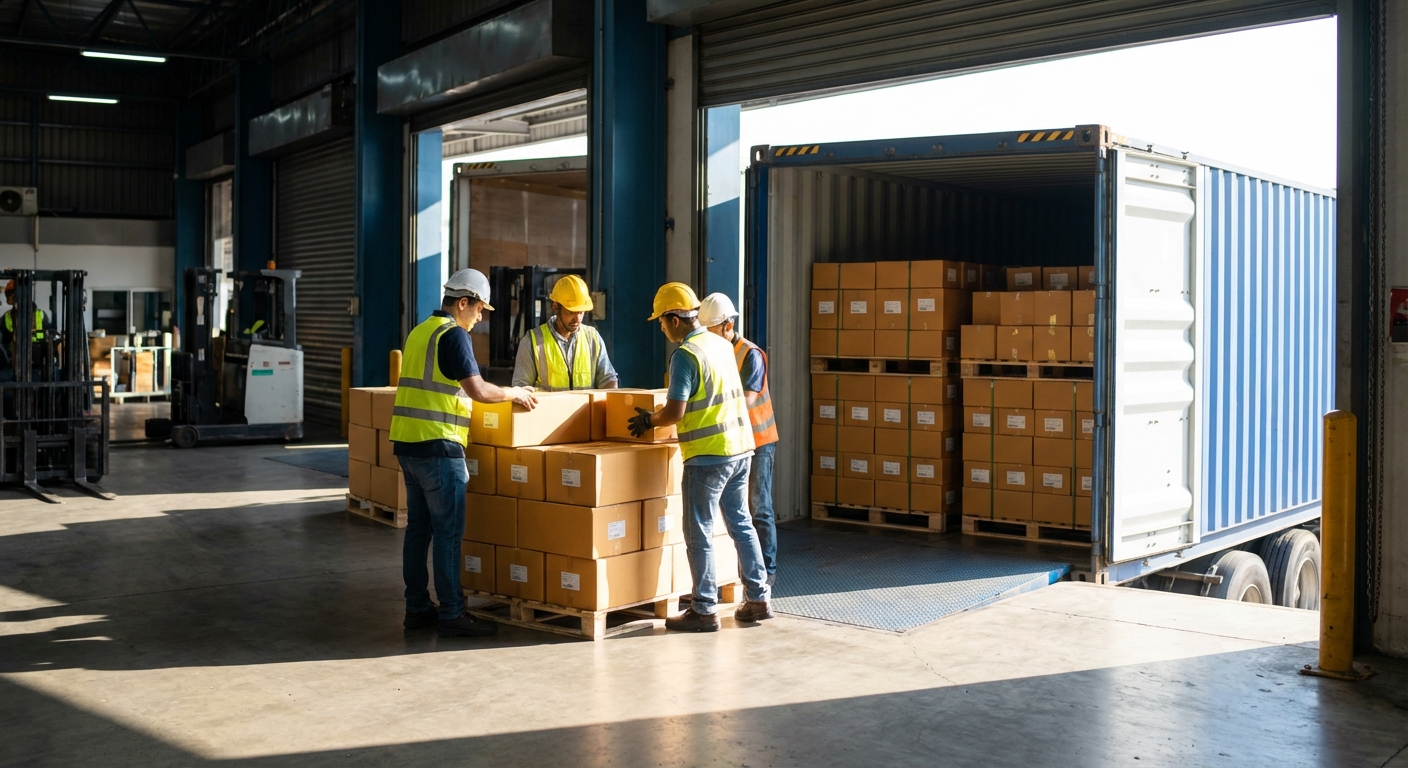
Upon arrival at the facility:
- Warehouse staff verify consignment against advance notifications
- Physical count and inspection occur
- Any discrepancies are documented immediately
- Goods are assigned storage locations
- Inventory systems are updated
- Condition reports are prepared
Phase 4: Executing the Customs Bond
Understanding the Bonding Mechanism
The warehouse operator, not you as the exporter, maintains the primary bond with customs. However, you need to understand this relationship because:
- Your goods become part of the bonded inventory
- Specific declarations link your merchandise to export intentions
- Obligations exist regarding timing and proper export completion
- Non-compliance affects both you and the warehouse operator
Your Role in the Bond Process
While the warehouse manages the technical bonding with customs, you must:
- Provide accurate goods descriptions and values
- Declare intended export timelines
- Maintain goods in exportable condition
- Complete export procedures within prescribed timeframes
- Ensure all documentation supports bonded status
Phase 5: Conducting In-Warehouse Operations
Sorting and Aggregation Activities
With goods from multiple suppliers now under one roof, you can:
- Physically verify quantities and quality against purchase orders
- Segregate items according to different export orders or destinations
- Identify any discrepancies requiring supplier resolution
- Organize inventory for efficient subsequent handling
Packaging and Preparation Work
Transform manufacturer packaging into export-ready consignments:
- Repack merchandise in appropriate export cartons
- Apply labels showing buyer details, product information, and handling instructions
- Create master cases consolidating multiple items
- Build pallets according to container loading plans
- Implement tracking systems like barcoding or RFID tagging
Regulatory Inspection Coordination
Many export products require official inspections before shipment. The bonded warehouse provides the ideal environment for:
- Export inspection agency visits for quality verification
- Health department officials for food and pharmaceutical products
- Plant quarantine authorities for agricultural commodities
- Weights and measures verification
- Specialized certifications required by destination countries
All these inspections occur under customs observation, providing additional credibility to certification processes.

Phase 6: Export Documentation and Shipping Bill Filing
Preparing the Shipping Bill
The shipping bill represents your formal export declaration to customs. When utilizing bonded warehouse facilities, ensure:
- Warehouse code is correctly mentioned in the shipping bill
- Bonded warehouse location is specified
- Declaration of warehouse stuffing is included
- Proper product classification using Harmonized System codes
- Accurate valuation reflecting export transaction value
- Correct scheme codes if claiming any export incentives
Electronic Filing Procedures
Modern customs systems require electronic submission through designated platforms:
- Prepare shipping bill in approved electronic format
- Upload required supporting documents digitally
- Submit for customs assessment
- Receive system-generated reference numbers
- Monitor processing status through customs portal
- Address any queries or additional documentation requests
Documentation Checklist
Supporting documents typically required include:
- Commercial invoice
- Packing list
- Purchase orders or export contracts
- Bonded warehouse goods receipt
- Any applicable certifications or test reports
- Insurance documents
- Pre-shipment inspection certificates (if required)
- GST documentation
Phase 7: Customs Examination Process
Examination Within Bonded Premises
One significant advantage of bonded warehousing: customs examinations occur inside the facility rather than at crowded port terminals. This means:
- Controlled environment for opening and inspecting containers
- Protection from weather during examination
- Adequate space for thorough inspection
- Immediate repacking capabilities if examination reveals issues
- Reduced pilferage risk compared to port-side examinations
Examination Types and Procedures
Customs may conduct various examination levels:
Visual Examination:
- Officers visually inspect packaging and labeling
- Verify carton markings match declarations
- Check for obvious contraband indicators
Physical Examination:
- Selected cartons are opened
- Contents are verified against documents
- Quantities may be counted
- Product specifications are checked
Detailed Examination:
- More extensive unpacking and inspection
- May involve sampling for testing
- Detailed measurement or weighing
- Photographs or video documentation
Your Role During Examination:
- Be present or have a representative available
- Provide clarifications if requested
- Facilitate opening packages as directed
- Address any discrepancies identified
- Ensure proper repacking after examination
Phase 8: Container Stuffing and Sealing Operations
Warehouse-Based Container Stuffing
Loading containers within the bonded warehouse environment offers multiple advantages:
- Climate-controlled stuffing for temperature-sensitive goods
- Proper equipment availability including forklifts and loading ramps
- Adequate supervision ensuring correct loading procedures
- Immediate resealing if customs requires verification
- Documentation accuracy with goods and containers in one location
Stuffing Best Practices
Professional container loading requires attention to:
- Weight distribution to prevent container instability
- Securing cargo with appropriate blocking and bracing
- Maximizing space while ensuring safe transport
- Damage prevention through proper stacking and padding
- Load planning considering unloading sequence at destination
Sealing Procedures
After stuffing completion:
- Container doors are closed and secured
- Customs seal or approved self-seal is applied
- Seal numbers are recorded on all documentation
- Photographs may document sealed container
- Container is released for movement to port/ICD
Self-Sealing Authorization
Exporters with good compliance records may obtain authorization for self-sealing, which:
- Eliminates waiting for customs sealing personnel
- Speeds up export processing
- Demonstrates trusted trader status
- Requires maintaining high compliance standards
Phase 9: Let Export Order and Final Dispatch
Obtaining the Let Export Order (LEO)
The LEO represents customs' final permission for goods to leave the country. After completing all previous steps:
- Customs reviews all documentation and examination reports
- Verifies all regulatory requirements are fulfilled
- Confirms seal integrity and container security
- Issues electronic LEO through customs systems
- Updates status on digital platforms
Movement to Port or Border
With LEO obtained, your containerized cargo moves to:
- Seaports for ocean freight shipments
- Airports for air cargo exports
- Land customs stations for overland exports to neighboring countries
- ICDs functioning as inland clearance points
Final Documentation Handover
At this stage, coordinate with your freight forwarder to ensure proper handover of:
- Shipping bill with LEO endorsement
- Container packing list
- Commercial invoice and packing list
- Insurance certificates
- Bill of lading instructions
- Any special handling requirements
Financial Implications and Cost Considerations
Understanding Bonded Warehouse Charges
While bonded warehouses provide significant benefits, understanding the cost structure helps in pricing and profitability analysis:
Storage Charges:
- Typically calculated per day per square meter or pallet position
- May have free periods (first few days without charge)
- Increases for longer storage durations
- Special rates for temperature-controlled storage
Handling Fees:
- Receiving charges when goods arrive
- Stuffing charges for container loading
- Destuffing if containers need unloading
- Specialized handling for fragile or heavy items
Service Charges:
- Documentation support fees
- Customs liaison services
- Inspection facilitation
- Palletization and packaging materials
- Equipment usage (forklifts, pallet jacks, etc.)
Cost-Benefit Analysis Framework
Evaluate bonded warehouse utilization by considering:
Direct Cost Savings:
- Duty deferment value (interest savings on working capital)
- Reduced port demurrage through pre-stuffing
- Lower transportation costs through consolidation
- Decreased damage from proper handling
Indirect Benefits:
- Faster customs clearance
- Enhanced compliance and reduced penalty risks
- Better inventory management capabilities
- Improved buyer satisfaction through professional preparation
Break-Even Calculation:
Compare bonded warehouse total costs against alternatives like:
- Maintaining own premises
- Using non-bonded storage with multiple handling
- Port-side consolidation with associated delays
Compliance and Best Practices
Regulatory Adherence Requirements
Operating through bonded warehouses demands strict compliance with:
Time Limits:
- Goods cannot remain in bond indefinitely
- Specific timeframes exist for completing exports
- Extensions may require special permissions
- Violations can trigger duty payment and penalties
Record Keeping:
- Maintain detailed inventory registers
- Document all movements and activities
- Preserve supporting documentation for prescribed periods
- Enable customs audits and verification
By understanding and properly utilizing bonded warehouse facilities, merchant exporters can transform their operations, achieving greater efficiency, compliance, and profitability in international trade. The strategic advantages of duty deferment, supply chain flexibility, and customs-supervised preparation make bonded warehousing an essential tool for modern trading businesses.