
Introduction: India's Transformation in International Commerce
India stands at a remarkable crossroads in 2026. The nation has evolved from being primarily an import-dependent economy to becoming one of the world's most dynamic trading nations. With bilateral agreements spanning six continents, strategic port infrastructure upgrades, and technology-driven customs processes, the landscape of cross-border commerce has fundamentally changed.
The numbers tell a compelling story. India's merchandise trade has crossed the $1.2 trillion mark, with services exports adding another dimension to this growth trajectory. More importantly, the democratization of international business means that entering global markets is no longer exclusive to large corporations with deep pockets.
This comprehensive analysis examines India's current position in world trade, explores emerging opportunities across sectors, and provides actionable frameworks for entrepreneurs ready to participate in this economic transformation.
Whether you're a manufacturer looking to expand beyond domestic borders, a trader seeking high-growth opportunities, or a professional considering entrepreneurship, understanding these dynamics has never been more critical.
The Current State of India's Trade Ecosystem
Macroeconomic Indicators Shaping Trade
India's trade performance in 2026 reflects several structural shifts that have occurred over the past decade:
Export Diversification: The traditional dependence on textiles, gems, and agricultural products has given way to a more balanced portfolio. Engineering goods now represent 24% of total exports, pharmaceuticals contribute 18%, and the electronics sector has emerged as a surprise performer with 12% share—a remarkable jump from just 4% in 2020.
Import Rationalization: Strategic import substitution policies have reduced dependency in critical sectors. While crude petroleum still dominates the import basket, domestic manufacturing of electronic components, renewable energy equipment, and specialty chemicals has reduced import bills significantly.
Services Trade Boom: India's services exports, particularly in IT, consulting, financial services, and creative industries, have reached $420 billion annually. This often-overlooked component provides crucial foreign exchange and employment opportunities.
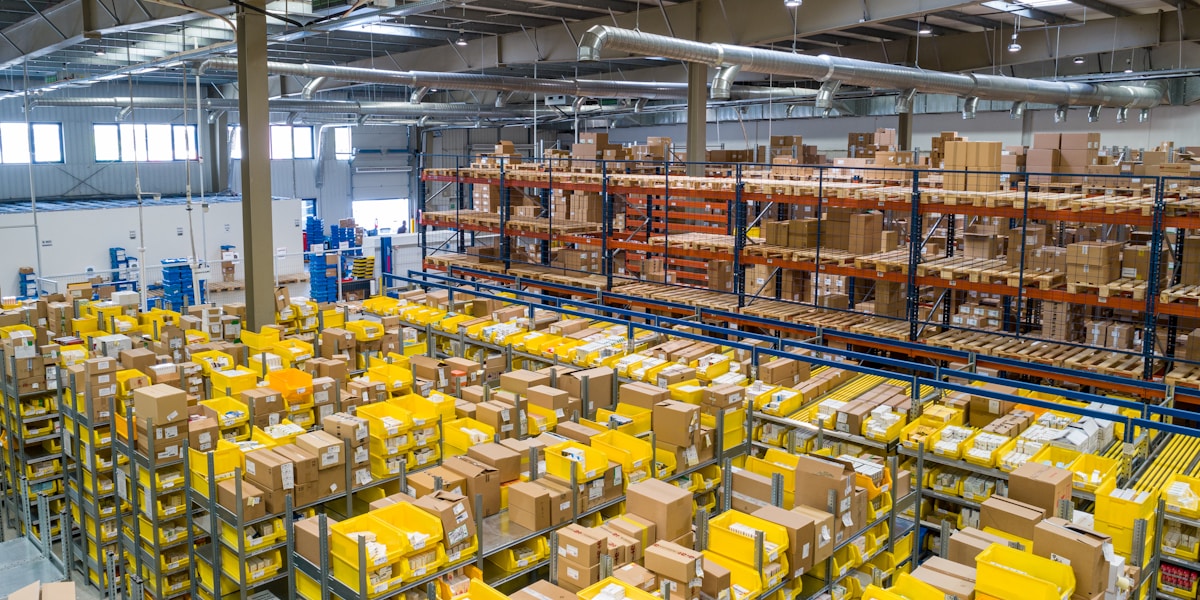
Infrastructure Revolution Enabling Trade
The physical infrastructure supporting trade has undergone a remarkable transformation:
Port Modernization: The Sagarmala initiative has upgraded 12 major ports with automated cargo handling, reducing turnaround times from 4-5 days to just 24-36 hours. Private players operating container terminals have introduced efficiency benchmarks comparable to Singapore and Rotterdam.
Logistics Networks: Dedicated freight corridors connecting manufacturing hubs to ports have reduced transportation costs by 18-22%. The multimodal logistics parks emerging across states provide integrated warehousing, quality testing, and documentation services under one roof.
Digital Customs: The e-Sanchit portal and blockchain-based documentation systems have eliminated 70% of paperwork. What once required 15-20 physical documents across multiple government offices now happens through integrated digital workflows.
High-Opportunity Sectors for Trade Entrepreneurs
Manufacturing Products with Global Demand
Sustainable Fashion and Textiles
Beyond traditional garments, a new wave of sustainable, ethically-produced fashion products from India commands premium prices globally. Organic cotton wear, handloom fusion products, and eco-friendly home textiles are finding enthusiastic buyers in European and North American markets.
Small-scale entrepreneurs partnering with weaver cooperatives and organic cotton farmers are building brands that resonate with conscious consumers. Margins range from 40-65%, with relatively low minimum order quantities making entry accessible.
Precision Engineering Components
India's capabilities in manufacturing high-tolerance components for automotive, aerospace, and industrial machinery sectors have matured significantly. Cities like Pune, Coimbatore, and Faridabad host clusters of SMEs producing world-class components.
The opportunity lies in identifying niche component categories where Indian manufacturing quality meets global standards at 30-40% lower costs than traditional suppliers in Europe or North America.
Wellness and Natural Products
Ayurvedic formulations, herbal supplements, organic honey, essential oils, and natural cosmetics represent a $3.2 billion export opportunity. With global consumers increasingly skeptical of synthetic products, India's heritage in natural wellness positions it uniquely.
Certifications like USDA Organic, EU Organic, and COSMOS open doors to premium retail channels. Many successful exporters started by focusing on 3-4 products for specific geographic markets before expanding their range.

Agricultural and Food Products
Specialty Grains and Pulses
While basmati rice remains a staple export, emerging opportunities exist in millets, quinoa, black rice, and organic pulses. Health-conscious consumers in developed markets pay significant premiums for these "superfoods," many of which are grown traditionally in Indian states.
The key success factor is ensuring traceability, quality certification, and storytelling that connects the product to its origin and farming communities.
Processed and Frozen Foods
Ready-to-eat Indian meals, frozen parathas, marinated meats, and regional specialties have found substantial markets among diaspora communities and mainstream consumers exploring global cuisines. Modern freezing and packaging technologies have solved earlier shelf-life challenges.
Margins are attractive (35-50%), and the sector welcomes entrepreneurs who understand both authentic Indian flavors and international food safety standards.
Spice Derivatives and Extracts
Moving beyond whole spices to value-added products like oleoresins, essential oils, and standardized extracts multiplies value realization. Industrial buyers in food processing, pharmaceuticals, and cosmetics seek reliable suppliers of these inputs.
Technical knowledge and quality control systems are prerequisites, but the barriers to entry aren't insurmountable for committed entrepreneurs.
Strategic Approaches for New Market Entrants
The Merchant Trader Model
This approach requires minimal capital investment and suits those beginning their international commerce journey:
Identifying Supply-Demand Gaps: Study import statistics of target countries to identify products India produces competitively but that market isn't adequately served. Cross-reference with Indian export data to find underexploited opportunities.
Building Manufacturer Networks: Develop relationships with 8-10 reliable manufacturers across 3-4 product categories. Visit facilities, understand their capacities and quality systems, and negotiate commission-based arrangements initially.
Market Development: Start with smaller buyers willing to try new suppliers. International B2B platforms, trade shows (virtual and physical), and targeted outreach to distributors help build a buyer pipeline.
Value Addition: Your role isn't just order-passing. Provide quality assurance, handle documentation, manage logistics, and solve problems. This service component justifies your margins and builds long-term relationships.
Direct Manufacturing and Export
For those with industry experience or willing to invest in manufacturing:
- Niche Specialization: Rather than competing in crowded categories, identify specific product variations, customizations, or quality tiers where you can establish expertise and reputation.
- Compliance-First Approach: Build quality and compliance systems from day one. Certifications like ISO 9001, product-specific standards, and buyer-required audits should be planned upfront, not as afterthoughts.
- Incremental Scaling: Start with contract manufacturing or shared facilities if capital is constrained. Prove your model with 2-3 buyers before investing in dedicated infrastructure.
- Technology Integration: Modern buyers expect digital communication, real-time order tracking, and data-driven quality metrics. Invest in basic systems that demonstrate professionalism.
Service-Enabled Export Models
Emerging hybrid models combining products with services:
Design and Development Services: Many international brands seek Indian manufacturers who can contribute to product development, not just execute production. Building this capability commands better pricing.
Customization and Small Batches: While large manufacturers focus on volume orders, opportunities exist for those who can profitably handle smaller quantities with variations—serving e-commerce sellers, boutique brands, and testing markets.
Turnkey Solutions: Some buyers value suppliers who manage end-to-end processes—sourcing raw materials, manufacturing, packaging, logistics, and documentation—reducing their complexity.

Practical Framework for Business Setup
Legal and Regulatory Foundations
Business Structure Selection: Choose between proprietorship (simplest for sole traders), partnership (when collaborating), or private limited company (for scaling and credibility). Each has implications for liability, taxation, and fundraising.
Registration Requirements:
- Import Export Code (IEC) remains mandatory—a straightforward online process taking 2-3 days
- GST registration with appropriate category selection for export benefits
- Professional Tax and Shops & Establishment registration (state-specific)
- AD Code from your bank for foreign exchange transactions
Industry-Specific Licenses: Depending on products, you may need BIS certifications, FSSAI licenses, Textile Committee registrations, Drug licenses, or other sector-specific approvals. Research these before selecting products.
Financial Planning and Management
Working Capital Understanding: International trade involves longer payment cycles (30-90 days typical), advance payments for manufacturing, and shipping costs. Calculate the working capital needed for your first 5-6 transactions.
Banking Relationships: Establish connections with banks experienced in trade finance. Compare their forex rates, letter of credit charges, and export credit facilities. Having 2-3 banking relationships provides flexibility.
Government Incentives: Research schemes like:
- Interest equalization on pre and post-shipment credit
- MEIS/RoDTEP duty refunds
- Market development assistance for trade show participation
- Subsidies for obtaining certifications and quality systems
Risk Management: Consider export credit insurance for larger transactions, particularly with new buyers. Understand currency hedging basics to protect margins from exchange rate fluctuations.
Building Operational Capabilities
Documentation Mastery: International trade involves specific documents—commercial invoices, packing lists, bills of lading, certificates of origin, inspection certificates, and more. Template libraries and checklists prevent costly errors.
Quality Assurance Systems: Develop inspection protocols for products before shipment. Many export failures stem from quality inconsistencies, not initial samples. Third-party inspection services cost 0.2-0.5% of shipment value but prevent expensive claims.
Logistics Partnerships: Cultivate relationships with:
- Freight forwarders who handle shipping, documentation, and customs clearance
- Custom house agents specialized in your product category
- Warehousing facilities near ports if consolidating shipments
- Packaging specialists who understand export requirements
Technology Stack: Implement basic systems for:
- Customer relationship management and communication tracking
- Order and shipment status monitoring
- Financial tracking and documentation management
- Market research and competitor intelligence
Market Selection and Customer Acquisition
Geographic Market Prioritization
Tier 1 Markets - Established but Competitive:
United States, European Union, and Middle Eastern countries offer large volumes and established payment systems. Competition is intense, requiring either price competitiveness or differentiation. Suitable for products where India has clear advantages or for experienced traders.
Tier 2 Markets - Balanced Opportunity:
Southeast Asian nations, Latin American countries, and African markets present growing demand with moderate competition. Payment risks are slightly higher but manageable through letters of credit. Often ideal for establishing initial export track records.
Tier 3 Markets - Emerging Frontiers:
Central Asian republics, smaller African nations, and Pacific islands offer first-mover advantages in certain product categories. Requires higher risk tolerance and patience in market development, but margins can be excellent.
Selection Criteria: Evaluate markets based on import volumes of your product category, ease of doing business and payment track record, cultural and linguistic compatibility, logistics connectivity and shipping costs, tariff structures and trade agreements, and competitive intensity from other suppliers.
Customer Development Strategies
Digital Discovery and Engagement:
Modern buyer journeys begin online. Maintain professional digital presence through:
- Company website with clear product catalogs, certifications, and contact information
- Professional profiles showcasing expertise and transactions (with appropriate confidentiality)
- Participation in industry forums and discussion groups
- Strategic content demonstrating knowledge (technical blogs, product guides, market insights)
Trade Show Participation:
Despite digital transformation, face-to-face interaction at trade exhibitions remains valuable:
- Start with domestic shows attracting international buyers (lower cost, easier logistics)
- Government subsidies typically cover 50-70% of participation costs
- Focus on relationship building rather than immediate orders
- Follow-up systematically with all meaningful contacts made
B2B Platform Utilization:
International trade platforms connect buyers and sellers, but require strategic use:
- Complete profiles with professional photos, detailed product information, and certifications
- Regular updates and responsiveness signal active, reliable suppliers
- Understand platform algorithms and optimize listings accordingly
- Invest in premium memberships only after testing with free tiers
Referrals and Networks:
Your most valuable customers often come through recommendations:
- Deliver exceptional service to early buyers who become references
- Join industry associations connecting members with opportunities
- Participate in business delegations organized by trade bodies
- Cultivate relationships with complementary (not competitive) exporters for mutual referrals
Risk Management in International Trade
Financial Risks and Mitigation
Payment Default Prevention:
- Begin relationships with advance payment or letter of credit terms
- Research buyer credentials through trade references and credit reports
- Use government export credit guarantee schemes for larger transactions
- Graduate to open account terms only after establishing track record
Currency Fluctuation Management:
- Build 3-5% forex cushion into pricing for short-term fluctuations
- Consider forward contracts for large orders with 60+ day cycles
- Maintain portions of working capital in hard currencies if consistently exporting
- Understand natural hedging when both buying inputs and selling in foreign currency
Cost Overrun Protection:
- Get shipping quotes confirmed in writing before finalizing buyer prices
- Account for potential customs duties, inspection charges, and handling fees
- Build 10-15% buffer for unexpected costs in initial transactions
- Develop relationships with service providers who offer predictable pricing
Operational Risks
Quality and Compliance Failures:
- Implement three-stage quality checks (raw material, production, pre-shipment)
- Maintain detailed specifications agreed with buyers in writing
- Understand destination country standards and regulations thoroughly
- Consider product liability insurance for consumer goods
Supply Chain Disruptions:
- Cultivate backup manufacturers for critical products
- Monitor geopolitical and climate events affecting logistics routes
- Communicate proactively with buyers about potential delays
- Build buffer inventory for products with consistent demand
Documentation and Customs Issues:
- Double-check all documents before submission to avoid clearance delays
- Stay updated on changing regulations in both India and destination countries
- Work with experienced customs brokers, particularly initially
- Maintain organized records for reference and learning
Scaling Your International Trade Business
From First Transaction to Consistent Business
The First Five Shipments:
Your initial transactions are learning laboratories. Focus on:
- Executing flawlessly rather than maximizing margins
- Documenting every process step for future reference
- Building trust through reliability and communication
- Understanding where your time and effort create most value
Establishing Operating Rhythms:
As you complete 10-15 transactions:
- Standardize processes through checklists and templates
- Identify profitable product-market combinations worth repeating
- Develop vendor scorecards for manufacturers and service providers
- Create financial tracking systems showing actual costs and margins
Building Systematic Growth:
At 20+ transactions across 6-12 months:
- Analyze which product categories and markets yield best returns
- Consider specialization versus diversification based on data
- Invest in relationship deepening with top 20% of customers
- Develop systems that reduce your personal involvement in routine tasks
Team Building and Delegation
Initial Hiring Priorities:
- Operations coordinator handling documentation and shipment tracking
- Quality inspector or relationship with third-party inspection agency
- Part-time accountant familiar with export benefits and compliance
Functional Capabilities to Build:
- Market research and buyer development
- Supplier relationship and quality management
- Logistics coordination and cost optimization
- Financial management and working capital efficiency
Culture and Values:
- Detail orientation and process discipline prevent expensive mistakes
- Long-term relationship thinking over transactional approaches
- Continuous learning as regulations and markets evolve
- Integrity and transparency building reputation capital
Technology Leverage for Efficiency
Automation Opportunities:
- Document generation from templates with auto-populated data
- Shipment tracking dashboards pulling data from logistics partners
- Automated communication for standard updates to buyers
- Financial reconciliation and duty drawback claim preparation
Data-Driven Decision Making:
- Product profitability analysis including all-in costs
- Customer lifetime value and relationship quality metrics
- Market trend identification through import-export statistics analysis
- Performance benchmarking against industry standards
Emerging Trends Reshaping Trade in 2026
Sustainability and Ethical Sourcing
International buyers increasingly demand transparency around environmental and social practices. This isn't merely a compliance issue but a competitive differentiator.
Carbon Footprint Tracking: Buyers want to know emissions associated with manufacturing and shipping. Tools for calculating and reporting these metrics are becoming standard requirements.
Labor Practices Verification: Ethical sourcing certifications, facility audits, and worker welfare documentation separate premium suppliers from commodity traders.
Circular Economy Models: Opportunities exist in products designed for recyclability, businesses accepting product returns for refurbishment, and manufacturing using recycled inputs.
Technology Integration
Blockchain for Transparency: Distributed ledger technologies enable end-to-end product tracking, authenticity verification, and immutable quality records—particularly valuable for agricultural products, pharmaceuticals, and luxury goods.
AI-Powered Market Intelligence: Tools analyzing millions of data points to identify emerging demand patterns, optimal pricing, and competitor movements are becoming accessible to smaller businesses.
Virtual Reality for Product Development: Buyers and suppliers collaborate on product customization through VR environments, reducing sample iterations and accelerating time-to-market for new products.
Key Takeaway: India's transformation into a global trade powerhouse presents unprecedented opportunities for entrepreneurs willing to invest in understanding markets, building quality systems, and developing long-term relationships. The infrastructure, policy support, and market access have never been better positioned for success in international commerce.