
Introduction: A Maritime Legacy Transforms into Modern Trade Alliance
The Arabian Sea has witnessed centuries of commercial exchange between the Indian subcontinent and the Arabian Peninsula. Today, this historical connection has evolved into a sophisticated economic partnership through the Comprehensive Economic Partnership Agreement (CEPA) between India and Oman. As of March 2026, this bilateral trade framework stands as a testament to how traditional trading relationships can be restructured to meet contemporary business requirements.
The significance of this partnership extends beyond mere numbers. Oman's geographical positioning at the mouth of the Persian Gulf, combined with India's growing manufacturing capabilities and service sector expertise, creates a complementary relationship that benefits exporters, importers, and service providers across both nations. For businesses engaged in cross-border commerce, understanding the nuances of this agreement has become essential for maintaining competitive advantage in regional markets.
This comprehensive guide examines the India-Oman CEPA from multiple perspectives—exploring its structural components, practical applications, sector-specific opportunities, and strategic implications for businesses operating in international trade. Whether you're an established trading house or an emerging entrepreneur considering overseas expansion, this analysis provides actionable insights into leveraging this bilateral framework effectively.
Understanding the CEPA Architecture: Beyond Traditional Trade Agreements
The Evolution from Basic FTA to Comprehensive Partnership
The India-Oman economic relationship has progressed through various phases of engagement. Unlike conventional Free Trade Agreements (FTAs) that primarily focus on tariff reduction, a Comprehensive Economic Partnership Agreement encompasses broader dimensions of economic cooperation.
Key distinguishing features include:
- Goods Trade Liberalization: Progressive tariff elimination across multiple product categories
- Services Trade Framework: Market access provisions for professional and business services
- Investment Facilitation: Mechanisms to encourage bilateral investment flows
- Economic Cooperation: Collaborative initiatives in technology transfer, skill development, and infrastructure
- Regulatory Harmonization: Alignment of standards, technical regulations, and conformity assessment procedures
This multidimensional approach creates opportunities that extend beyond traditional import-export activities. Service providers, technology companies, and investment-focused entities can all benefit from the provisions embedded within this agreement.

Geographical and Strategic Context
Oman occupies a unique position in the global trade landscape. Situated at the southeastern tip of the Arabian Peninsula, the Sultanate controls critical access points to the Strait of Hormuz—a waterway through which approximately one-third of global seaborne petroleum transits. For Indian businesses, Oman serves as:
- Gateway to Gulf Markets: A strategic entry point for reaching the wider Gulf Cooperation Council (GCC) region
- Trans-shipment Hub: Well-developed port infrastructure facilitating cargo consolidation and redistribution
- Energy Security Partner: Critical supplier of crude oil and natural gas to Indian refineries
- Cultural Bridge: Shared linguistic and cultural elements facilitating business relationships
Understanding this geographical advantage helps businesses position their market entry strategies more effectively.
Tariff Benefits and Preferential Access: Quantifying the Advantage
Identifying High-Potential Product Categories
The CEPA establishes differential tariff treatment across various harmonized system (HS) chapters. For exporters, identifying products with maximum duty differential between Most Favoured Nation (MFN) rates and preferential CEPA rates becomes crucial for pricing competitiveness.
Priority sectors with significant tariff advantages:
Agricultural and Food Products:
- Processed foods and ready-to-eat items
- Spices and condiments in retail packaging
- Basmati and specialty rice varieties
- Fresh fruits and vegetables during off-season windows
- Dairy products meeting Gulf standards
Textiles and Apparel:
- Cotton-based fabrics and garments
- Technical textiles for industrial applications
- Home furnishing items including bed linens and curtains
- Traditional ethnic wear with contemporary designs
Engineering Goods:
- Automotive components and spare parts
- Light engineering products
- Electrical machinery and equipment
- Hand tools and small implements
Pharmaceuticals and Healthcare:
- Generic medicines and formulations
- Medical devices and diagnostic equipment
- Surgical instruments and disposables
- Ayurvedic and herbal preparations
Gems and Jewelry:
- Polished diamonds and colored gemstones
- Gold and silver jewelry (with proper hallmarking)
- Costume jewelry and fashion accessories
Calculating Real Duty Savings
Understanding the actual financial impact of preferential tariffs requires careful calculation. Consider this practical example:
Scenario: Exporting processed food products to Oman
- Product Value (FOB): USD 100,000
- MFN Duty Rate: 15%
- CEPA Preferential Rate: 5%
- Duty Saving: 10% of USD 100,000 = USD 10,000 per shipment
For businesses exporting regularly, these savings accumulate substantially over fiscal periods, directly improving margin structures and price competitiveness against competitors from non-FTA countries.
Documentation and Compliance: Navigating the Certificate of Origin Process
Essential Documentation Requirements
To claim preferential tariff benefits under the India-Oman CEPA, exporters must ensure meticulous documentation. The Certificate of Origin (COO) serves as the primary instrument for demonstrating that goods qualify for preferential treatment.
Core documentation elements:
1. Preferential Certificate of Origin
- Issued by designated authorities (Chamber of Commerce or Export Inspection agencies)
- Contains specific product descriptions matching invoice details
- Includes HS codes at 6-digit or 8-digit level
- Bears authorized signatures and official stamps
2. Supporting Commercial Documents
- Commercial invoice with complete product specifications
- Packing list detailing quantity and packaging type
- Bill of Lading or Airway Bill showing consignment routing
- Insurance documentation when applicable
3. Origin Criteria Verification
- Manufacturing records establishing production location
- Bill of materials demonstrating input composition
- Value addition calculations showing substantial transformation
Rules of Origin: Meeting Qualification Criteria
Rules of Origin determine whether a product qualifies as "originating" from India, thereby entitled to preferential treatment. The India-Oman CEPA employs multiple criteria:
Product-Specific Rules:
- Change in Tariff Classification (CTC) at chapter, heading, or sub-heading level
- Regional Value Content (RVC) thresholds, typically 35-40% of FOB value
- Specific manufacturing processes that confer origin
General Conditions:
- Direct consignment from India to Oman (or through specified transit points)
- Goods must not undergo further processing in third countries
- Cumulation provisions allowing use of inputs from specified partner countries
Practical Compliance Tips: Maintain detailed manufacturing records for at least three years. Establish internal systems for calculating regional value content accurately. Develop relationships with authorized COO issuing authorities for smooth processing. Train export documentation teams on specific CEPA requirements. Consider advance rulings from customs authorities for complex products.
Import Opportunities: Sourcing from Oman Under Preferential Terms
Strategic Products for Import
While India-Oman trade discussions often emphasize export potential, significant opportunities exist for Indian importers to source products advantageously from Oman.
Key import categories:
Energy and Petrochemicals:
- Crude petroleum and refined products
- Liquefied Natural Gas (LNG)
- Petrochemical intermediates
- Specialty chemicals for industrial use
Minerals and Metals:
- Copper and copper-based products
- Aluminum and aluminum alloys
- Industrial minerals for manufacturing applications
- Marble and decorative stone
Dates and Agricultural Products:
- Premium date varieties for retail and processing
- Traditional food ingredients
- Frankincense and natural gums
Re-export Opportunities:
- Products manufactured in free zones with preferential origin status
- Goods consolidated through Omani ports from wider regions
Import Compliance and Duty Calculation
Indian importers utilizing CEPA benefits must ensure:
- Valid preferential COO from Omani authorities accompanies shipments
- Products meet Indian standards and technical regulations
- Proper classification under applicable HS codes
- Compliance with product-specific import licensing requirements
- Payment procedures align with foreign exchange regulations

Sector-Deep Dive: Industry-Specific Opportunities
Textiles and Apparel Sector
India's textile and apparel industry finds Oman both as a market and as a strategic location for establishing regional distribution networks.
Market Characteristics:
- Growing retail sector with increasing purchasing power
- Preference for quality cotton-based products
- Demand for both traditional ethnic wear and western styles
- Hotel and hospitality industry requiring bulk textile supplies
Competitive Strategy:
- Develop product lines specifically adapted to Gulf climate and preferences
- Establish relationships with retail chains and department stores
- Participate in trade exhibitions and buyer-seller meets
- Offer customization services for institutional buyers
Pharmaceutical and Healthcare Products
The Gulf region presents substantial opportunities for Indian pharmaceutical manufacturers, with Oman serving as an accessible market with streamlined regulatory processes.
Market Entry Considerations:
- Registration requirements with Omani drug regulatory authority
- Good Manufacturing Practice (GMP) certification requirements
- Arabic labeling and package insert requirements
- Shelf-life and stability testing for Gulf climate conditions
Product Opportunities:
- Generic formulations for chronic disease management
- Over-the-counter (OTC) medications and supplements
- Diagnostic kits and medical consumables
- Herbal and wellness products meeting international standards
Food Processing and Agricultural Products
Indian processed foods and agricultural commodities enjoy growing acceptance in Omani markets, driven by the substantial Indian diaspora community and increasing local appreciation for Indian cuisine.
Success Factors:
- Compliance with Gulf Cooperation Council (GCC) food safety standards
- Halal certification for applicable product categories
- Appropriate packaging meeting tropical storage conditions
- Competitive pricing against products from competing origins
Product Categories with High Potential:
- Ready-to-eat meals and convenience foods
- Snacks and savory products
- Spice blends in consumer-friendly packaging
- Tea and coffee products
- Bakery ingredients and mixes
Engineering Goods and Automotive Components
India's engineering sector has established strong capabilities in manufacturing automotive components, light engineering goods, and industrial supplies—all categories with growing demand in Oman's developing economy.
Market Segments:
- Automotive aftermarket for spare parts and accessories
- Construction equipment and building materials
- Electrical goods and lighting fixtures
- Hand tools and small machinery
- HVAC equipment suitable for desert climates
Services Trade: Beyond Physical Goods
Service Sectors with Bilateral Potential
The CEPA's provisions extend beyond merchandise trade to encompass service sector opportunities, an area where Indian professionals have demonstrated significant competence globally.
Professional Services:
- Information Technology and software development
- Engineering consultancy and project management
- Architectural and design services
- Financial and accounting services
- Legal services in international commercial matters
Construction and Infrastructure:
- Civil construction and infrastructure development
- Project execution and supervision
- Specialized construction techniques
- Facility management services
Healthcare and Education:
- Medical tourism facilitating patient flow between countries
- Telemedicine and remote consultation services
- Educational partnerships and skill development programs
- Professional training and certification courses
Tourism and Hospitality:
- Cultural tourism promoting bilateral visitor flows
- Hospitality management and training
- Cruise tourism linking Indian and Omani ports
Mode of Service Supply
Service trade occurs through various modes, each with different regulatory considerations:
- Cross-Border Supply: Services delivered remotely without physical presence
- Consumption Abroad: Service consumers traveling to supplier's country
- Commercial Presence: Establishing offices or branches in partner country
- Movement of Natural Persons: Temporary entry of service professionals
Understanding applicable mode provisions and visa requirements becomes essential for service exporters.

Investment Linkages: Beyond Trade to Capital Flows
Bilateral Investment Opportunities
The India-Oman economic relationship increasingly encompasses investment flows in both directions, with the CEPA providing frameworks for investment facilitation and protection.
Indian Investment in Oman:
- Manufacturing facilities targeting regional markets
- Service sector operations including IT, healthcare, and education
- Joint ventures with Omani partners in priority sectors
- Real estate and infrastructure development projects
Omani Investment in India:
- Energy sector investments including refineries and petrochemicals
- Infrastructure projects under public-private partnership models
- Technology sector investments and venture capital
- Real estate and hospitality developments
Investment Facilitation Mechanisms
Key provisions supporting bilateral investment include:
- National treatment and non-discrimination principles
- Protection against expropriation without compensation
- Freedom of capital and profit repatriation
- Dispute resolution mechanisms
- Facilitation of visa and work permits for investors and key personnel
Logistics and Supply Chain Considerations
Port Infrastructure and Connectivity
Efficient logistics form the backbone of successful trade relationships. Understanding port infrastructure and connectivity options helps optimize supply chain costs.
Major Omani Ports:
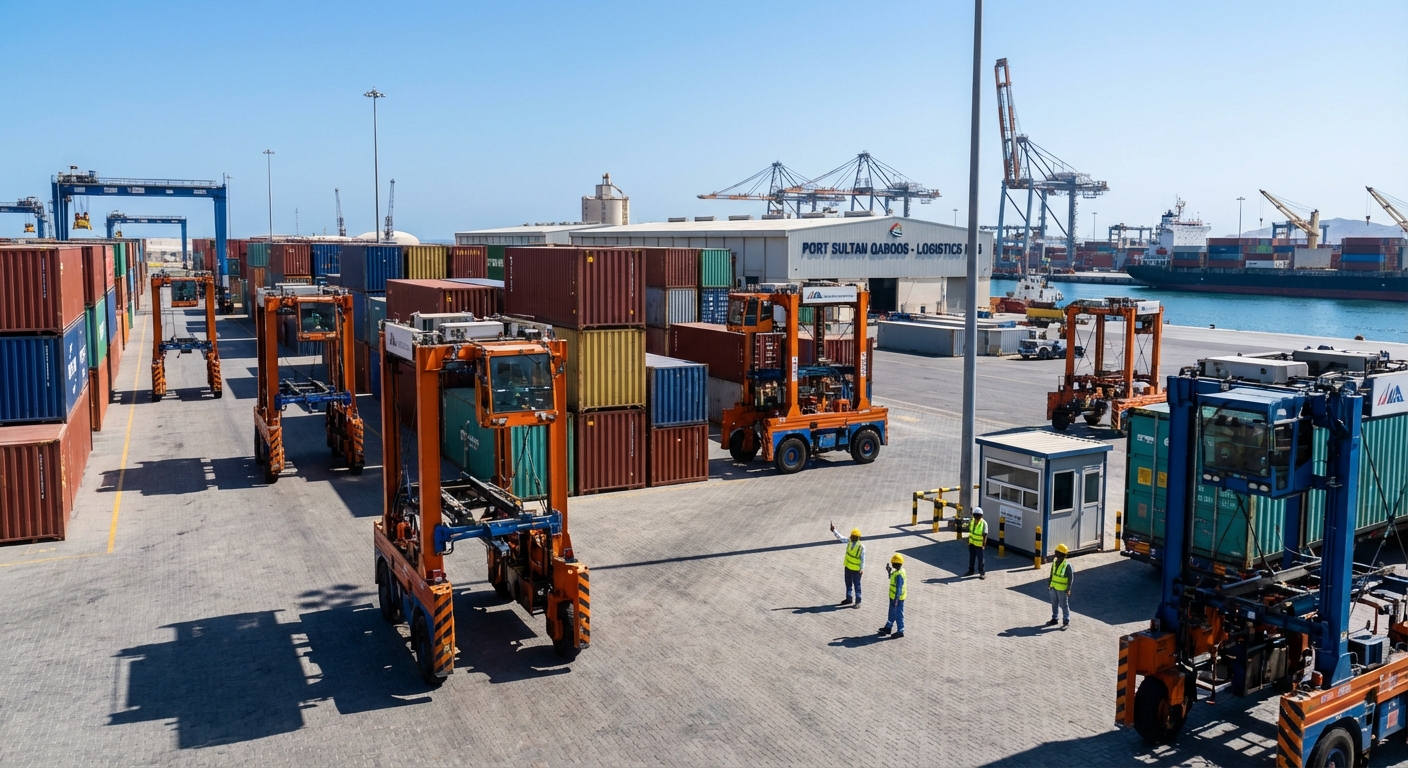
- Port Sultan Qaboos (Muscat): Primary general cargo and container port
- Port of Salalah: Deep-water container trans-shipment hub with excellent connectivity
- Sohar Port: Industrial port linked to free zone facilities
- Duqm Port: Emerging logistics hub with special economic zone
Indian Port Connectivity:
- Western coast ports (Mumbai, Mundra, JNPT) offer shorter transit times
- Eastern coast ports provide alternative routing options
- Coastal shipping services complement international maritime routes
Shipping and Freight Considerations
Transit Time and Frequency:
- Direct shipping services typically range 5-8 days from western Indian ports
- Multiple weekly sailings ensure regular cargo movement
- Air freight options available for time-sensitive or high-value cargo
Documentation and Customs Clearance:
- Advance filing of customs documents reduces clearance time
- Electronic data interchange systems facilitate paperless processing
- Customs brokers familiar with CEPA provisions add value
Risk Management and Business Continuity
Geopolitical Considerations
The Gulf region occasionally experiences geopolitical tensions that can impact trade flows. Recent events in March 2026 demonstrate the importance of risk assessment and mitigation strategies.
Risk Mitigation Approaches:
- Diversify shipping routes and transit points
- Maintain adequate inventory buffers for critical supplies
- Establish alternative supplier relationships
- Monitor geopolitical developments through reliable sources
- Consider trade credit insurance for high-value transactions
Currency and Payment Risk
International trade involves currency exchange risks that require appropriate management.
Payment Security Mechanisms:
- Letters of Credit providing payment assurance
- Documentary collections balancing risk and cost
- Bank guarantees for contractual obligations
- Forward contracts hedging currency fluctuations
- Trade finance facilities supporting working capital needs
Quality and Compliance Risks
Ensuring product quality and regulatory compliance protects business reputation and prevents costly rejections.
Quality Assurance Practices:
- Pre-shipment inspection by third-party agencies
- Compliance with applicable product standards and technical regulations
- Testing and certification from recognized laboratories
- Clear quality specifications in purchase contracts
- Regular supplier audits and quality monitoring
Practical Steps for Businesses: Action Plan
For Exporters Seeking to Enter Omani Market
Phase 1: Market Research and Preparation (Months 1-2)
- Identify specific products with duty advantage under CEPA
- Research market demand, competition, and pricing dynamics
- Assess regulatory requirements and certification needs
- Calculate landed costs including freight, insurance, and duties
Phase 2: Compliance and Documentation (Months 2-3)
- Verify origin criteria qualification for target products
- Establish relationship with COO issuing authority
- Prepare product literature and marketing materials
- Ensure product labeling meets Omani requirements
Phase 3: Market Entry and Distribution (Months 3-6)
- Identify potential distributors, agents, or direct buyers
- Participate in trade exhibitions and buyer-seller meetings
- Negotiate terms and establish commercial relationships
- Execute trial shipments and gather market feedback
Phase 4: Scaling and Optimization (Months 6-12)
- Expand product range based on market response
- Optimize logistics and supply chain efficiency
- Build brand presence and customer loyalty
- Evaluate direct market presence versus agency model
For Importers Sourcing from Oman
Assessment Phase:
- Identify products available from Oman with competitive advantage
- Compare landed costs with alternative sources
- Verify preferential duty benefits under CEPA
- Assess supplier capabilities and reliability
Implementation Phase:
- Establish payment mechanisms and credit terms
- Arrange quality inspection and compliance verification
- Coordinate logistics and customs clearance
- Manage initial shipments closely for problem resolution
Optimization Phase:
- Build long-term supplier relationships
- Negotiate volume-based pricing advantages
- Streamline documentation and clearance processes
- Explore value-added services and product development
Future Outlook: Evolving Dynamics of India-Oman Trade
Emerging Trends Shaping Bilateral Commerce
Digital Trade and E-commerce:
The growth of cross-border e-commerce presents new opportunities for small and medium enterprises to access international markets without traditional distribution infrastructure. Digital platforms connecting Indian suppliers with Omani buyers can democratize trade participation.
Sustainability and Green Trade:
Growing emphasis on environmental sustainability influences product preferences and regulatory frameworks. Businesses demonstrating commitment to sustainable practices, renewable energy utilization, and circular economy principles gain competitive advantage.
Technology Integration:
Blockchain-based trade documentation, artificial intelligence for supply chain optimization, and digital payment systems are transforming how international trade operates. Early adopters of these technologies position themselves advantageously for future market requirements.
The India-Oman CEPA represents more than a trade agreement—it embodies a strategic partnership built on centuries of commercial and cultural exchange. For businesses willing to invest in understanding its provisions and building appropriate capabilities, this framework offers substantial opportunities for growth and market expansion in 2026 and beyond.