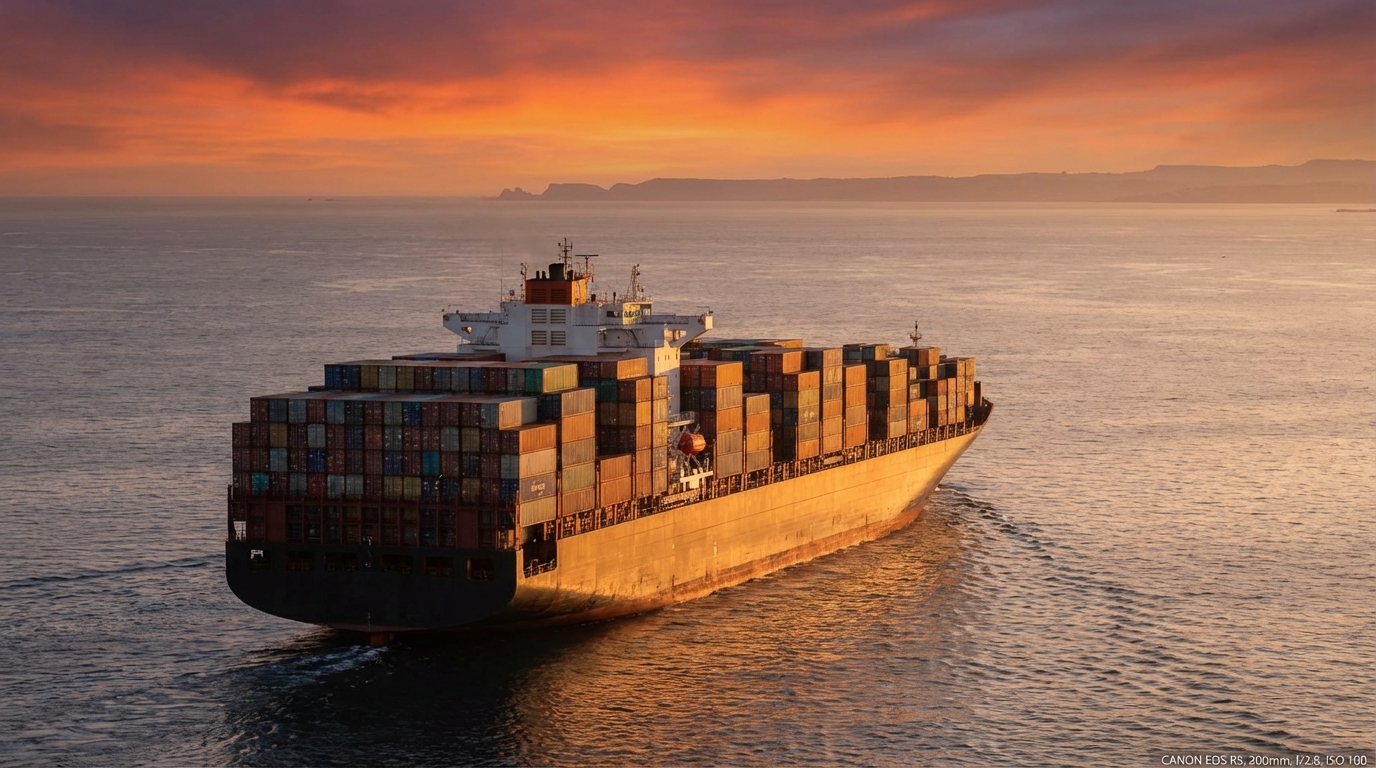
Understanding the Export Landscape During International Conflicts
The global trade ecosystem operates within an intricate web of dependencies—shipping routes, insurance frameworks, payment mechanisms, and diplomatic relationships. When armed conflicts erupt anywhere in the world, these interconnections experience immediate stress, creating ripple effects that reach far beyond the conflict zones themselves.
For Indian businesses engaged in international commerce, such disruptions present unprecedented challenges. Whether your containerized goods are currently crossing conflict-adjacent waters or you're evaluating new purchase orders from buyers in volatile regions, your approach to risk assessment must evolve dramatically during periods of geopolitical tension.
The difference between businesses that survive wartime trade disruptions and those that suffer catastrophic losses often comes down to preparation, awareness, and decisive action. This comprehensive framework will equip you with the strategic tools necessary to protect your commercial interests when global stability falters.
The Two Critical Junctures Every Exporter Must Master
Export operations can be categorized into two distinct phases when analyzing wartime risks:
Phase One: Your merchandise has departed from Indian territory and is traveling through international waters or foreign jurisdictions toward its destination.
Phase Two: You've secured purchase orders and contractual commitments, but your products remain within your control, awaiting shipment.
Each phase demands entirely different risk mitigation approaches, with unique vulnerabilities and protective measures. Understanding these distinctions can mean the difference between manageable challenges and business-threatening losses.

Managing Goods Already in International Transit
Once your shipment crosses into international jurisdiction, your direct control diminishes significantly. However, your ability to manage outcomes through vigilant monitoring and proactive coordination becomes paramount.
Implementing Advanced Shipment Surveillance Systems
Modern export operations require real-time visibility into cargo location and movement. Establish daily monitoring protocols that track:
- Exact vessel positioning, particularly when routes traverse geopolitically sensitive waters
- Alternative routing possibilities, including longer but safer passages that bypass conflict zones
- Estimated arrival adjustments based on current maritime conditions
- Port operational status at both transshipment and final destination points
The difference between knowing your cargo's location yesterday versus knowing it this hour can determine whether you can implement protective measures in time.
Establishing Direct Communication Channels with Maritime Partners
Your shipping line represents your primary source of operational intelligence once cargo leaves port. Develop systematic communication protocols that ensure you receive immediate updates regarding:
Operational Changes:
- Vessel schedule modifications triggered by security concerns
- Port closures or capacity restrictions at destination facilities
- Mandatory rerouting imposed by maritime authorities
- Container handling delays caused by security screening intensification
Security Assessments:
- Threat level evaluations for planned routing
- Insurance company advisories affecting coverage
- International maritime organization warnings
- Flag state recommendations for vessel operators
Maintain documented records of all communications. These timestamped exchanges become invaluable evidence if disputes arise regarding delays, additional costs, or delivery failures.
Conducting Comprehensive Insurance Policy Audits
Standard marine cargo insurance often excludes coverage for losses directly or indirectly caused by warfare, civil unrest, or political violence. During conflict periods, immediately verify your policy includes:
Essential War-Related Coverage:
- Explicit war risk protection extending to the specific conflict zone your cargo might transit
- Civil commotion and strike coverage applicable to all ports along your shipping route
- Terrorism and sabotage provisions
- Mine and torpedo protection for relevant maritime regions
If your current policy lacks these provisions, contact your insurance broker immediately. Extension coverage can often be secured through supplementary premiums, but delays in securing this protection can leave you completely exposed.
Documentation matters critically here. Ensure you possess physical or digital copies of all policy endorsements, coverage confirmations, and premium payment receipts. In claims situations, the burden of proving coverage falls entirely on you.

Anticipating and Planning for Extraordinary Cost Escalations
Wartime conditions introduce numerous surcharges and cost multipliers that can dramatically impact your transaction economics:
Freight-Related Surcharges:
- War Risk Premium (WRP) additions to base freight rates
- Bunker fuel surcharges reflecting oil price volatility
- Congestion fees at overwhelmed alternative ports
- Security screening charges at heightened-alert facilities
- Emergency operational surcharges imposed by carriers
Review your sales contract to determine cost-sharing provisions. Some Incoterms and contract structures place these additional expenses on the buyer, while others make them the seller's responsibility. Understanding your contractual position determines whether these costs erode your profit margin or can be legitimately passed forward.
Maintaining Strategic Buyer Communication
Transparency with your customer serves multiple purposes during crisis periods. Proactive communication accomplishes several critical objectives:
Relationship Preservation:
- Demonstrates professionalism and reliability under pressure
- Builds trust that extends beyond the current transaction
- Positions you as a valuable partner rather than just a supplier
Legal Protection:
- Creates documented evidence of your good-faith efforts
- Establishes clear record of circumstances beyond your control
- Provides foundation for defending against breach-of-contract claims
Structure your communications carefully. Provide factual updates about delays, routing changes, or cost implications without making commitments you cannot guarantee. Written communication—email, formal letters, or messaging platforms that create permanent records—offers far better legal protection than verbal updates.
Securing Your Payment Collection
Payment risk intensifies dramatically during armed conflicts, particularly for shipments governed by credit-based terms. Implement heightened monitoring for:
Letter of Credit Complications:
- Document presentation deadlines that may become impossible to meet due to delays
- Validity expiration dates approaching faster than revised delivery schedules allow
- Discrepancy risks increasing as circumstances force operational changes
- Issuing bank reliability if located in conflict-affected regions
Documents Against Payment/Acceptance Vulnerabilities:
- Buyer's capacity to pay if their country experiences economic disruption
- Banking system functionality in regions experiencing infrastructure damage
- Currency convertibility restrictions imposed during national emergencies
- Legal enforceability of commercial obligations under martial law conditions
For high-value shipments, consider engaging export credit insurance or factoring services that can provide payment guarantees even if the buyer or their banking system fails.
Fortifying Your Documentation Foundation
In normal conditions, documentation errors represent inconveniences. During crises, they can result in total loss of goods or payment. Ensure absolute accuracy and completeness across:
Transportation Documents:
- Bills of lading with precise descriptions matching other documents
- Courier receipts for time-sensitive shipments
- Multimodal transport documents accurately reflecting all carriers
Financial and Commercial Documents:
- Commercial invoices with values, terms, and descriptions exactly matching LC requirements
- Packing lists providing container-level detail
- Certificates of origin establishing preferential tariff eligibility
Insurance and Compliance Documents:
- Insurance certificates evidencing adequate coverage including war risks
- Inspection certificates where contractually required
- Phytosanitary or health certificates for regulated commodities
Store both physical and encrypted digital copies in multiple locations. Cloud-based document management systems ensure accessibility even if physical offices become inaccessible.
Monitoring Destination Port Operational Status
Your cargo's journey doesn't end when the vessel arrives—it concludes when your buyer takes possession. Ports in or near conflict zones face multiple operational disruptions:
Infrastructure Challenges:
- Physical damage to port facilities from hostilities
- Equipment shortages as resources divert to military priorities
- Power supply interruptions affecting cargo handling systems
Workforce Disruptions:
- Labor shortages as workers evacuate or face conscription
- Strike actions related to security concerns
- Reduced operating hours due to security protocols
Administrative Complications:
- Customs processing slowdowns from enhanced security screening
- Documentation requirements changing without adequate notice
- Clearance delays as authorities prioritize humanitarian or military shipments
Identify alternative discharge ports before they become necessary. Understanding your options in advance allows rapid decision-making if destination ports become untenable.
Developing Comprehensive Contingency Protocols
Hope for the best, but prepare detailed alternatives for worst-case scenarios:
Cargo Diversion Options:
- Pre-identified alternative ports with comparable infrastructure
- Secondary buyers who might accept diverted cargo
- Bonded warehouse facilities where goods can await improved conditions
Financial Contingencies:
- Credit facilities to cover extended carrying costs
- Insurance claim preparation materials
- Alternative payment collection mechanisms
Legal Preparations:
- Force majeure notification templates ready for immediate deployment
- Legal counsel specializing in international commercial disputes
- Arbitration preparation if disputes appear likely
Contingency planning costs time and resources, but far less than unplanned crisis response under pressure.

Strategic Decision-Making for Orders Not Yet Shipped
When purchase orders arrive but shipments remain under your control, you retain maximum decision-making authority. This represents your optimal opportunity to avoid risks rather than merely managing them.
Conducting Enhanced Geopolitical Risk Assessments
Before committing to any shipment during conflict periods, perform systematic country-level risk analysis:
Economic Stability Indicators:
- Currency value trajectories and convertibility reliability
- Banking system operational status
- Foreign exchange reserve adequacy
- International credit rating changes
Political and Security Factors:
- Government stability and continuity likelihood
- Civil infrastructure functionality
- Import control policy predictability
- Sanctions exposure—current and potential
Commercial Environment Quality:
- Contract enforceability through legal systems
- Historical payment performance data for the region
- Industry-specific intelligence about buyer sectors
- Trade association advisories
Several commercial services provide regularly updated country risk ratings. Combining multiple sources provides more reliable assessments than depending on single-source intelligence.
Demanding Maximum Payment Security
During heightened risk periods, payment terms become your primary protection mechanism. Adjust your willingness to extend credit based on comprehensive risk evaluation:
Optimal Protection Levels:
- Full advance payment via wire transfer before production begins
- Irrevocable letters of credit confirmed by internationally reputable banks located outside conflict zones
- Standby letters of credit providing payment guarantees
- Export credit insurance covering both commercial and political risks
Elevated Risk Arrangements:
- Partial advance payment combined with documents against payment for balance
- Letters of credit issued by established banks in stable jurisdictions
- Escrow arrangements with third-party payment release conditions
- Shorter credit periods with documentary collection
Unacceptable Risk Positions:
- Open account terms to buyers in conflict-affected regions
- Extended credit periods exceeding 30 days
- Deferred payment structures
- Consignment arrangements
Remember that established relationships, while valuable, provide no protection against systemic failures triggered by warfare. Even long-standing customers may become unable to pay due to circumstances entirely beyond their control.
Recalculating All Transaction Economics
Wartime conditions invalidate pricing based on peacetime assumptions. Comprehensive repricing must incorporate:
Direct Cost Escalations:
- Freight rate increases often reaching 100-300% of normal levels
- War risk insurance premiums
- Security-related handling charges
- Alternative routing expenses
Indirect Cost Factors:
- Extended transit time inventory carrying costs
- Increased inspection and compliance expenses
- Currency hedging costs due to volatility
- Administrative burden increases
Risk Compensation:
- Premium reflecting payment uncertainty
- Adjustment for potential total loss scenarios
- Compensation for opportunity cost of safer alternative business
Provide quotations with extremely limited validity periods—perhaps 7-14 days rather than the typical 30-90 days. Rapid condition changes can render pricing obsolete quickly, leaving you locked into loss-making transactions.
Verifying End-to-End Logistics Viability
Payment security becomes irrelevant if you cannot physically deliver goods. Before accepting orders, confirm:
Shipping Service Availability:
- Carrier willingness to service the destination during current conditions
- Vessel scheduling reliability and frequency
- Container equipment availability
- Booking space accessibility at required volumes
Routing Practicality:
- Safe passage routes that avoid combat zones
- Transshipment point functionality if direct services unavailable
- Realistic transit time expectations
- Port pair service continuity outlook
Destination Infrastructure:
- Port operational status and capacity
- Customs clearance process functionality
- Inland transportation availability from port to buyer
- Warehousing options if immediate delivery impossible
Engage directly with freight forwarders and shipping lines. Generic website information often lags behind operational realities during rapidly evolving crises.
Strengthening Contractual Protection Mechanisms
Standard contract terms drafted for normal conditions provide insufficient protection during conflicts. Insist on explicit provisions addressing:
Force Majeure Clarity:
- Specific definition including warfare, embargoes, and sanctions
- Clear procedures for force majeure notification
- Defined consequences—contract suspension versus termination
- Cost allocation for force majeure situations
Delivery Timeline Flexibility:
- Extended delivery windows reflecting realistic transport timelines
- Automatic extension provisions triggered by defined events
- Elimination of penalty clauses for delays caused by covered events
Price Adjustment Mechanisms:
- Formulas allowing freight surcharge pass-through
- Insurance cost escalation sharing
- Currency fluctuation provisions
- Renegotiation triggers based on cost threshold breaches
Engage legal counsel experienced in international commercial contracts to draft or review these provisions. Standard template contracts rarely provide adequate protection in extraordinary circumstances.
Revalidating Buyer Financial Credibility
Even established customers require fresh due diligence during crisis periods. Their financial condition can deteriorate rapidly due to:
Direct Conflict Impacts:
- Physical damage to their facilities or infrastructure
- Loss of their customer base due to population displacement
- Supply chain disruptions affecting their operations
- Employee retention challenges
Systemic Economic Pressures:
- Currency devaluation reducing their purchasing power
- Banking system restrictions limiting their payment ability
- Government foreign exchange controls
- Credit market freeze reducing their working capital access
Request updated financial statements, bank references, and trade references. Commercial credit reporting agencies can provide current assessments of creditworthiness that may reveal deterioration invisible from your previous interactions.

Avoiding Dangerous Overcommitment
The temptation to accept large orders offering substantial profits can override prudent risk assessment. Resist overcommitment by:
Capacity Limitation:
- Accepting only orders you can fulfill with confirmed logistics arrangements
- Avoiding production initiation without payment security in place
- Limiting total exposure to any single buyer or country
- Maintaining diversification across multiple markets
Staged Fulfillment:
- Breaking large orders into smaller shipment tranches
- Requiring payment confirmation for each tranche before shipping the next
- Retaining flexibility to suspend further shipments if conditions deteriorate
Financial Protection:
- Ensuring committed working capital doesn't exceed your absorption capacity for potential losses
- Maintaining adequate reserves to cover worst-case scenarios
- Avoiding dependency on receivables from high-risk transactions for operational liquidity
One catastrophic loss can eliminate profits from dozens of successful transactions. Conservative risk-taking during uncertain periods protects your overall business viability.
Monitoring Official Government Guidance
Multiple government agencies issue advisories affecting export operations during conflicts:
Directorate General of Foreign Trade (DGFT):
- Export prohibition notifications for specific destinations
- Special licensing requirements for certain commodities
- Procedural changes for conflict-affected countries
Ministry of External Affairs:
- Travel advisories indicating regional stability
- Diplomatic relationship status affecting trade
- Evacuation advisories suggesting extreme risk
Reserve Bank of India:
- Foreign exchange transaction restrictions
- Reporting requirement changes
- Payment realization timeline modifications
Customs Authorities:
- Enhanced documentation requirements
- Specific commodity scrutiny intensification
- Risk-based examination protocol changes
Subscribe to official notification channels and trade association bulletins to ensure immediate awareness of regulatory changes. Compliance failures during crisis periods often trigger more severe penalties than normal-time violations.
Implementing Prudent Production and Inventory Planning
Production decisions carry financial consequences that extend beyond individual transactions:
Risk-Based Production Timing:
- Delaying production start until payment security confirmed
- Avoiding finished goods inventory buildup for uncertain orders
- Maintaining raw material flexibility to redirect production toward safer markets
Inventory Management:
- Minimizing dedicated inventory for high-risk orders
- Ensuring alternative market viability for produced goods if original buyer fails
- Avoiding packaging or customization until shipment certainty achieved
Opportunity Cost Assessment:
- Evaluating whether production capacity might generate better returns serving alternative markets
- Comparing risk-adjusted profitability across competing orders
- Considering relationship value versus transaction-specific economics
Remember that rejecting risky orders preserves capacity for safer opportunities. Empty production capacity creates anxiety, but it's preferable to producing goods you cannot profitably deliver or collect payment for.
Implementing Currency Risk Hedging Strategies
Armed conflicts trigger extreme foreign exchange volatility. Currencies in or near conflict zones often experience rapid devaluation, while safe-haven currencies appreciate. Protect your economics through:
Forward Contract Hedging:
- Locking exchange rates for confirmed orders with established payment dates
- Matching hedge maturity to expected payment realization timing
- Working with banks to structure flexible forward contracts accommodating delivery uncertainty
Natural Hedging:
- Sourcing inputs in the same currency as your export sales
- Maintaining foreign currency accounts to hold receipts for future payments
- Matching currency of borrowing to currency of receivables
Option Strategies:
- Purchasing currency options providing downside protection while retaining upside potential
- Collar strategies limiting both risk and opportunity within defined ranges
- Participating forwards sharing both risk and reward with counterparties
Engage qualified treasury professionals or banking relationship managers specializing in trade finance to structure appropriate hedging. Poorly designed hedges can create losses exceeding the underlying transaction value.
Building Organizational Resilience for Crisis Navigation
Beyond transaction-specific tactics, develop institutional capabilities that enhance your crisis responsiveness:
Intelligence and Information Systems
Establish robust systems for gathering, analyzing, and acting upon geopolitical intelligence. This includes subscribing to reputable news services, maintaining relationships with industry associations, and developing internal protocols for rapid information dissemination across your organization.
The businesses that thrive during periods of global uncertainty are those that have invested in preparation before crises emerge. Building resilience is not an expense—it's an investment in your company's long-term survival and competitive advantage.
By implementing the strategies outlined in this comprehensive guide, Indian exporters can navigate the complexities of international trade during global conflicts with greater confidence and reduced exposure to catastrophic losses. Remember that risk management is an ongoing process requiring constant vigilance, adaptation, and commitment to best practices.