
Introduction: The Financial Gateway to Efficient Trade Operations
In the complex ecosystem of international commerce, timing and cash flow management can make the difference between a profitable venture and a financial strain. Imagine importing high-value machinery worth millions, yet being required to pay substantial customs duties upfront—before you've even found a buyer or determined your final market strategy. This scenario presents a significant challenge for traders worldwide, particularly those operating on tight margins or managing seasonal inventory fluctuations.
Enter the concept of duty-deferred storage facilities—specialized zones that function as financial breathing rooms for international traders. These customs-controlled environments allow businesses to hold merchandise without immediate tax obligations, creating strategic advantages that extend far beyond simple storage solutions.
For businesses engaged in cross-border transactions, these facilities represent more than just warehouses; they serve as strategic assets that enable market testing, value-added processing, and flexible distribution planning. Whether you're an established importer dealing with containerized shipments or an exporter preparing goods for multiple international destinations, understanding these specialized storage solutions can fundamentally transform your operational efficiency and financial planning.
This comprehensive guide delves into the multifaceted world of duty-deferred storage operations, examining their regulatory framework, operational advantages, and strategic applications in modern trade practices. We'll explore how these facilities integrate with broader supply chain strategies and how businesses of various scales can leverage them for competitive advantage.
The Fundamental Architecture of Duty-Deferred Storage Systems
Defining the Core Concept
A duty-deferred storage facility operates under a special arrangement with customs authorities, creating a designated space where imported or export-intended merchandise can remain under official supervision without triggering immediate tax liabilities. These locations essentially exist in a regulatory limbo—physically within a country's borders yet treated as "outside" for customs duty purposes until goods are formally cleared for domestic consumption or export.
The operational framework rests on a licensing system where facility operators must meet stringent infrastructure, security, and record-keeping requirements established by national customs administrations. This ensures accountability for all merchandise entering and exiting these controlled environments.

Types and Classifications
Duty-deferred storage facilities come in several distinct configurations, each serving different commercial needs:
Public Storage Facilities: These operator-managed locations accept goods from any qualified importer or exporter. They function similarly to commercial self-storage but with added customs oversight and specialized handling capabilities. Public facilities prove particularly valuable for small and medium enterprises lacking the volume to justify private arrangements.
Private Dedicated Facilities: Large corporations with substantial and consistent import volumes often establish exclusive storage zones on their own premises. Manufacturers importing raw materials or components for production frequently utilize this model, as it streamlines the movement between storage and manufacturing operations.
Manufacturing-Integrated Zones: These specialized environments permit certain processing, assembly, or manufacturing activities on stored goods before duty payment. They represent the intersection of storage and production, enabling businesses to add value while deferring financial obligations.
Duty-Free Retail Operations: Commonly seen at international airports and border crossings, these consumer-facing facilities allow travelers to purchase imported merchandise without local taxes, with controls ensuring goods leave the country with departing passengers.
Geographic and Jurisdictional Considerations
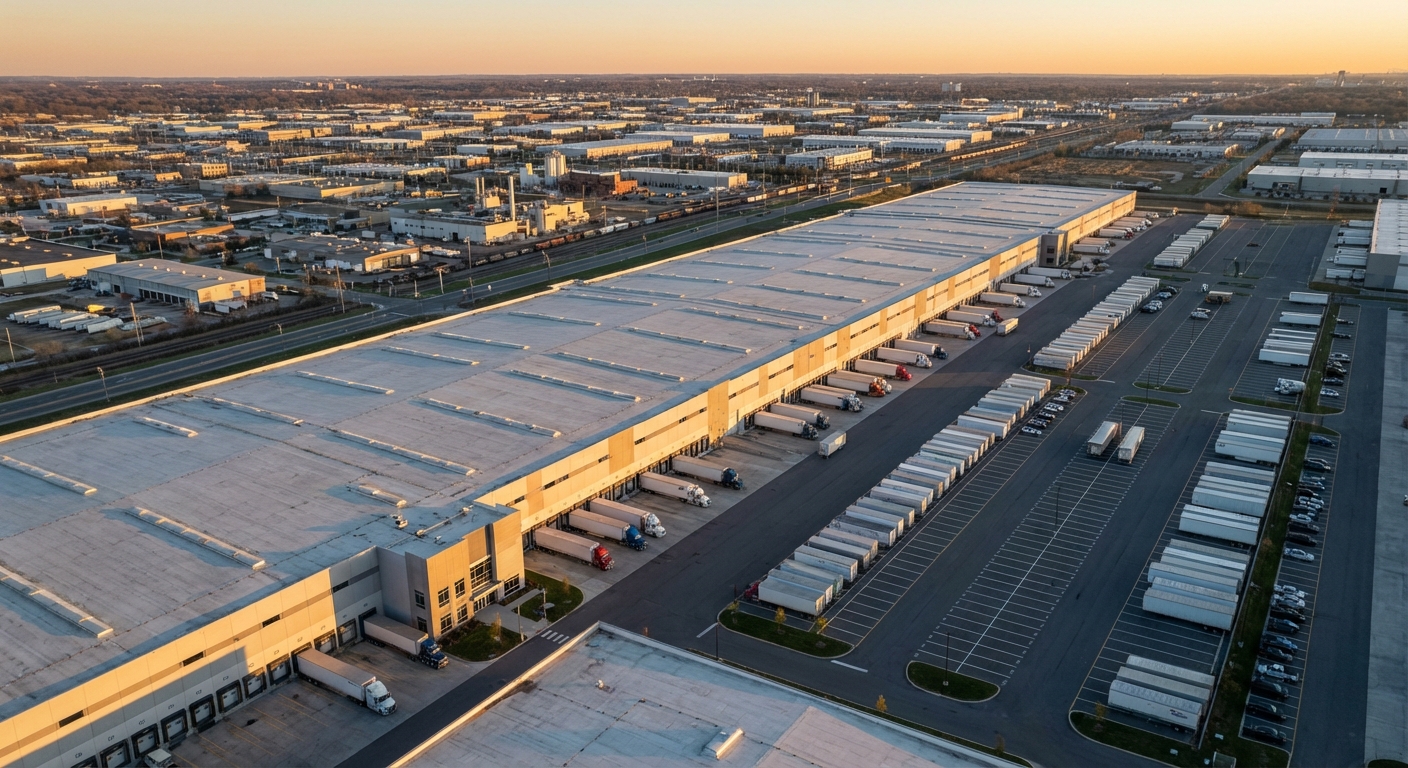
The strategic location of these facilities significantly impacts their utility. Port-adjacent facilities offer seamless container transitions from vessels to storage without intermediate handling. Airport-proximate locations serve high-value, time-sensitive merchandise requiring rapid processing and distribution capabilities.
Border region facilities facilitate cross-border trade dynamics, particularly in regions with multiple adjacent markets. Interior locations, while less common, serve landlocked trade hubs where consolidated shipments arrive via rail or road transport.
The Regulatory Framework Governing Duty-Deferred Operations
Licensing and Authorization Protocols
Establishing or operating a duty-deferred storage facility requires navigating complex regulatory approval processes. Customs authorities evaluate applications based on multiple criteria including financial solvency, security infrastructure, record-keeping systems, and operational competence.
Applicants must demonstrate robust inventory tracking capabilities, typically requiring sophisticated warehouse management systems that interface with customs databases. Physical security measures—including surveillance systems, access controls, and perimeter security—must meet specifications designed to prevent unauthorized removal or tampering.
Financial guarantees, often in the form of surety bonds, protect governments against potential revenue loss should operators fail to account for stored merchandise or pay applicable duties when required. These bonds typically correlate with the estimated value of goods the facility will handle simultaneously.

Storage Duration Parameters and Extensions
Most jurisdictions impose maximum storage periods for merchandise held under duty-deferral arrangements, commonly ranging from several months to several years depending on commodity types and local regulations. These timeframes balance trader flexibility needs against customs administration interests in final duty collection.
Extension requests typically require demonstrating legitimate commercial reasons for continued storage, such as ongoing market negotiations, pending quality certifications, or documented supply chain disruptions. Some goods—particularly those subject to health, safety, or environmental concerns—may face stricter time limitations.
Permitted Activities and Restrictions
While storage constitutes the primary function, most regulatory frameworks permit certain ancillary activities that preserve or enhance merchandise without fundamentally altering its character. These typically include:
- Repackaging and relabeling to meet destination market requirements
- Quality inspection and testing to verify conformity with specifications
- Simple assembly operations such as combining components into kits
- Sorting and segregation for distribution to multiple final destinations
- Sample extraction for marketing or regulatory approval purposes
Prohibited activities generally include substantial manufacturing or processing that would create new products subject to different classification or valuation for duty purposes. Clear guidelines distinguish permissible from restricted operations, though interpretation sometimes requires customs consultation.
Compliance Documentation and Audit Requirements
Meticulous record-keeping forms the backbone of duty-deferred storage operations. Facility operators must maintain detailed accounts documenting every merchandise movement—receipts, withdrawals, transfers, and disposals—with supporting documentation linking each transaction to specific customs declarations.
Regular reconciliation between physical inventory and system records ensures accuracy, with discrepancies triggering investigation and potential duty assessments. Customs authorities retain audit rights, conducting periodic inspections to verify compliance with licensing conditions and proper duty accounting.
Strategic Advantages for International Trade Practitioners
Cash Flow Optimization and Working Capital Management
The most immediate benefit derives from deferred duty payment, transforming what would be an upfront cash outflow into a postponed liability. For businesses importing high-value goods or large volumes, this deferral can represent substantial working capital preservation.
Consider an importer bringing in electronics valued at ₹50 million with applicable duties of 20%. Traditional clearance would require ₹10 million in immediate duty payment. Duty-deferred storage eliminates this upfront requirement, freeing capital for other operational needs—purchasing additional inventory, funding marketing initiatives, or maintaining financial reserves.
This advantage compounds when dealing with seasonal merchandise. Retailers importing festival goods months in advance can defer duty payments until closer to actual sales periods, aligning outflows with anticipated revenue generation.
Market Flexibility and Distribution Agility
Duty-deferred facilities enable a "wait-and-see" approach to market dynamics. Importers uncertain about final destination markets can store merchandise centrally, then direct goods to specific locations as demand patterns clarify. This proves particularly valuable for:
Multi-market distributors serving several countries from regional hubs can import consolidated shipments, then allocate portions to different destinations based on real-time demand signals rather than speculative forecasts.
Test marketing operations allow businesses to import products for market evaluation without committing to full duty payment. If market reception proves disappointing, goods can be re-exported without having incurred domestic tax obligations.
Price volatility management enables traders to time market entry strategically. When importing commodities subject to price fluctuations, storage allows waiting for favorable market conditions before releasing goods for sale.
Streamlined Logistics and Inventory Management
Consolidating imports in duty-deferred facilities creates centralized control points for complex distribution networks. Rather than fragmenting shipments across multiple locations—each requiring separate customs clearances—businesses can manage consolidated inventory from single facilities.
This centralization facilitates:
- Just-in-time release strategies where goods are cleared for domestic consumption in quantities aligned with immediate needs, reducing warehousing costs for already-duty-paid inventory.
- Quality control centralization allows thorough inspection before committing to duty payment and market release, potentially identifying defects or non-conformities while return or replacement options remain viable.
- Inventory optimization through better visibility into available stock, enabling more accurate demand forecasting and replenishment planning.
Risk Mitigation and Regulatory Compliance
Duty-deferred storage provides buffers against various commercial and regulatory uncertainties:
Documentation correction opportunities allow rectifying errors in original customs declarations before final clearance. If initial commodity classifications prove incorrect or valuations require adjustment, these can be addressed while goods remain in controlled storage.
Regulatory changes accommodation helps when new standards or requirements take effect between import and intended market release. Storage time allows obtaining necessary certifications or making product modifications to achieve compliance.
Commercial dispute resolution provides time for resolving disagreements over quality, specifications, or contract terms without pressure from accumulating storage costs for duty-paid inventory or time-sensitive deterioration concerns.
Operational Mechanics: From Entry to Exit
Merchandise Reception and Initial Documentation
The process commences when imported goods arrive at designated entry points. Rather than standard home consumption clearance procedures, importers elect duty-deferred storage options in their customs declarations. This triggers alternative processing workflows where customs examines merchandise for admissibility without assessing duties.
Critical documentation at this stage includes:
- Import manifests detailing cargo contents and quantities
- Commercial invoices establishing value for eventual duty calculation
- Storage facility acceptance confirming available capacity and willingness to receive specific goods
- Security documentation such as bonds or guarantees covering potential duty liabilities
Upon customs verification, merchandise is physically transferred to the designated facility under customs escort or sealed transport, ensuring no diversion between port and storage location.

In-Storage Management and Monitoring
Once received, facilities implement rigorous inventory tracking protocols. Each storage location within the warehouse is mapped to specific lots or shipments, with computerized systems recording all movements. Modern operations typically employ barcode or RFID technologies enabling real-time inventory visibility.
Periodic stocktaking, often mandated monthly or quarterly, reconciles physical counts against system records. Discrepancies beyond minimal tolerances trigger investigations and may result in duty assessments on missing quantities, treating them as if released for domestic consumption.
Environmental controls maintain merchandise quality, particularly for temperature-sensitive goods like pharmaceuticals or certain chemicals. Segregation protocols prevent cross-contamination and facilitate selective release of partial shipments.
Merchandise Release Procedures
Withdrawing goods from duty-deferred storage initiates duty payment obligations and requires formal clearance procedures:
For domestic consumption: Importers file standard import declarations, calculate and pay applicable duties and taxes, and obtain customs release authorizations before physical removal. This process mirrors traditional import clearance but occurs at the storage facility rather than the port.
For re-export: Merchandise can leave storage destined for foreign markets without duty payment, though export documentation and customs oversight ensure goods actually depart the country. This proves valuable for goods initially intended for domestic markets but ultimately finding buyers abroad.
For transfer: Some jurisdictions permit inter-facility transfers within duty-deferred systems, allowing merchandise movement between locations without triggering duty obligations, useful for optimizing distribution networks.
Special Scenarios and Procedures
Partial releases: Rather than clearing entire shipments simultaneously, importers can withdraw portions as needed, paying duties only on released quantities. This enables graduated inventory deployment aligned with sales patterns.
Destruction or waste disposal: Goods that deteriorate, become obsolete, or prove unsaleable may be destroyed under customs supervision without duty payment, though disposal costs remain the importer's responsibility.
Sample extraction: Small quantities can be removed for legitimate business purposes—trade shows, customer evaluations, regulatory testing—often under temporary admission provisions with re-importation to storage or duty payment based on retention decisions.
Financial Implications and Cost-Benefit Analysis
Direct Cost Components
Operating within duty-deferred frameworks involves several expense categories:
Storage fees: Facility operators charge for space occupation, typically based on volume (per pallet, per container) or area (per square meter) over time. Rates vary significantly based on location, facility sophistication, and service levels.
Handling charges: Movement of merchandise—receiving, putaway, retrieval, loading—incurs labor and equipment costs. Specialized handling for fragile, hazardous, or temperature-controlled goods commands premium pricing.
Administrative fees: Documentation processing, customs coordination, and compliance record-keeping generate administrative overhead that facilities pass to users.
Insurance premiums: Comprehensive coverage protecting against fire, theft, natural disasters, and other risks typically proves mandatory, with costs reflecting merchandise value and risk characteristics.
Comparative Economics vs. Immediate Clearance
The financial decision between immediate clearance and duty-deferred storage depends on multiple variables:
Duty amounts and storage duration: High-duty goods stored briefly may not generate sufficient interest savings to offset storage costs. Conversely, moderate-duty merchandise held extended periods can yield substantial net benefits.
Alternative capital uses: If business operations generate returns exceeding storage costs plus foregone interest from delayed duty payment, deferral makes financial sense. The opportunity cost of capital becomes the critical benchmark.
Inventory velocity: Fast-moving goods spending minimal time in storage favor immediate clearance to accelerate sales cycles. Slow-moving inventory with uncertain demand patterns benefits from deferred duty commitments.
Hidden Value Propositions
Beyond direct financial calculations, several indirect benefits warrant consideration:
Reduced inventory carrying costs: By releasing goods gradually rather than maintaining full duty-paid inventory, businesses minimize overall warehousing expenses and associated capital tied in stored merchandise.
Enhanced negotiating leverage: Having imported goods available in-country strengthens negotiating positions with buyers, demonstrating immediate delivery capability without the pressure of sunk duty costs.
Market intelligence opportunities: Storage periods provide windows for gathering competitive information, monitoring price trends, and refining go-to-market strategies before irrevocably committing resources.
Integration with Broader Supply Chain Strategies
Manufacturing Supply Chain Applications
Manufacturers relying on imported components or raw materials find duty-deferred storage particularly strategic. Rather than paying duties on all incoming materials upfront, they can withdraw quantities aligned with production schedules, paying duties as materials enter manufacturing processes.
This approach offers several manufacturing-specific advantages:
Production flexibility: Manufacturers can adjust output volumes without proportional duty cash flow impacts, since duty payments scale with actual material consumption rather than total imports.
Quality-driven release: Components can undergo incoming quality inspections while in storage, with defective batches returned to suppliers before duty payment rather than after incurring non-recoverable tax costs.
Supply disruption buffering: Maintaining buffer stocks in duty-deferred status provides production continuity insurance against supplier delays without the capital burden of duty-paid safety stock.
E-commerce and Omnichannel Retail Models
The explosive growth of e-commerce creates unique applications for duty-deferred storage. Online retailers serving geographically dispersed customer bases can centralize imported inventory, then clear small quantities as orders materialize:
Marketplace seller strategies: Third-party sellers on e-commerce platforms can import bulk shipments to duty-deferred facilities, then fulfill individual orders by clearing units as sold, eliminating upfront duty payments on unsold inventory.
Cross-border fulfillment optimization: Retailers serving multiple countries from regional hubs can hold consolidated inventory in duty-deferred status, clearing for domestic consumption or re-exporting to other markets based on demand distribution.
Returns management: E-commerce's high return rates create reverse logistics challenges. Duty-deferred frameworks can facilitate return processing without complications from duty-paid status, particularly for items ultimately re-exported or disposed.
Trade Intermediary Operations
Traders, distributors, and buying agents who take ownership of goods while facilitating transactions between international suppliers and domestic buyers leverage duty-deferred storage for:
Inventory speculation: Purchasing commodities or products for resale without predetermined buyers, holding inventory until favorable market conditions or buyer identification.
Consolidated distribution: Importing mixed shipments containing goods for multiple end customers, then segregating and clearing portions as individual transactions finalize.
Value-added services: Performing repackaging, labeling, kitting, or light assembly to transform imported goods into market-ready configurations before final clearance and delivery.
Common Challenges and Mitigation Strategies
Documentation Complexity and Accuracy Requirements
The paperwork intensity of duty-deferred operations exceeds standard import processes. Multiple documentation stages—initial storage admission, in-storage movements, final clearance—each require precise records with customs oversight.
Mitigation approaches:
- Implement robust warehouse management systems with customs integration capabilities
- Establish standard operating procedures with documentation checklists for each transaction type
- Invest in staff training on compliance requirements and common error patterns
- Conduct regular internal audits to identify and correct documentation gaps before official inspections
Inventory Shrinkage and Reconciliation Issues
Physical inventory discrepancies between recorded and actual quantities create significant problems, as customs may assess duties on shortfalls presumed to have entered domestic commerce improperly.
Mitigation approaches:
- Deploy cycle counting programs with frequent reconciliation rather than relying solely on annual physical inventories
- Implement strong physical security measures including surveillance, access controls, and perimeter protection
- Utilize technology like RFID or barcode scanning to improve tracking accuracy
- Investigate and document all variances immediately with root cause analysis
Regulatory Changes and Compliance Updates
Customs regulations evolve continuously, with changes to duty rates, prohibited goods lists, documentation requirements, or operational procedures potentially impacting ongoing storage arrangements.
Mitigation approaches:
- Maintain regular communication channels with customs authorities to receive timely regulatory updates
- Participate in industry associations that monitor and disseminate compliance information
- Subscribe to professional customs advisory services providing regulatory intelligence
- Build flexibility into operational procedures to accommodate regulatory adjustments
Cost Escalation and Budget Overruns
Storage costs accumulate over time, and merchandise remaining in facilities longer than initially anticipated can erode or eliminate financial advantages. Effective planning and monitoring remain essential to realizing the full benefits of duty-deferred storage arrangements.
By understanding these challenges and implementing appropriate mitigation strategies, businesses can maximize the strategic value of duty-deferred storage facilities while minimizing operational risks and compliance concerns.