Introduction: Eastern India's Rising Economic Titan
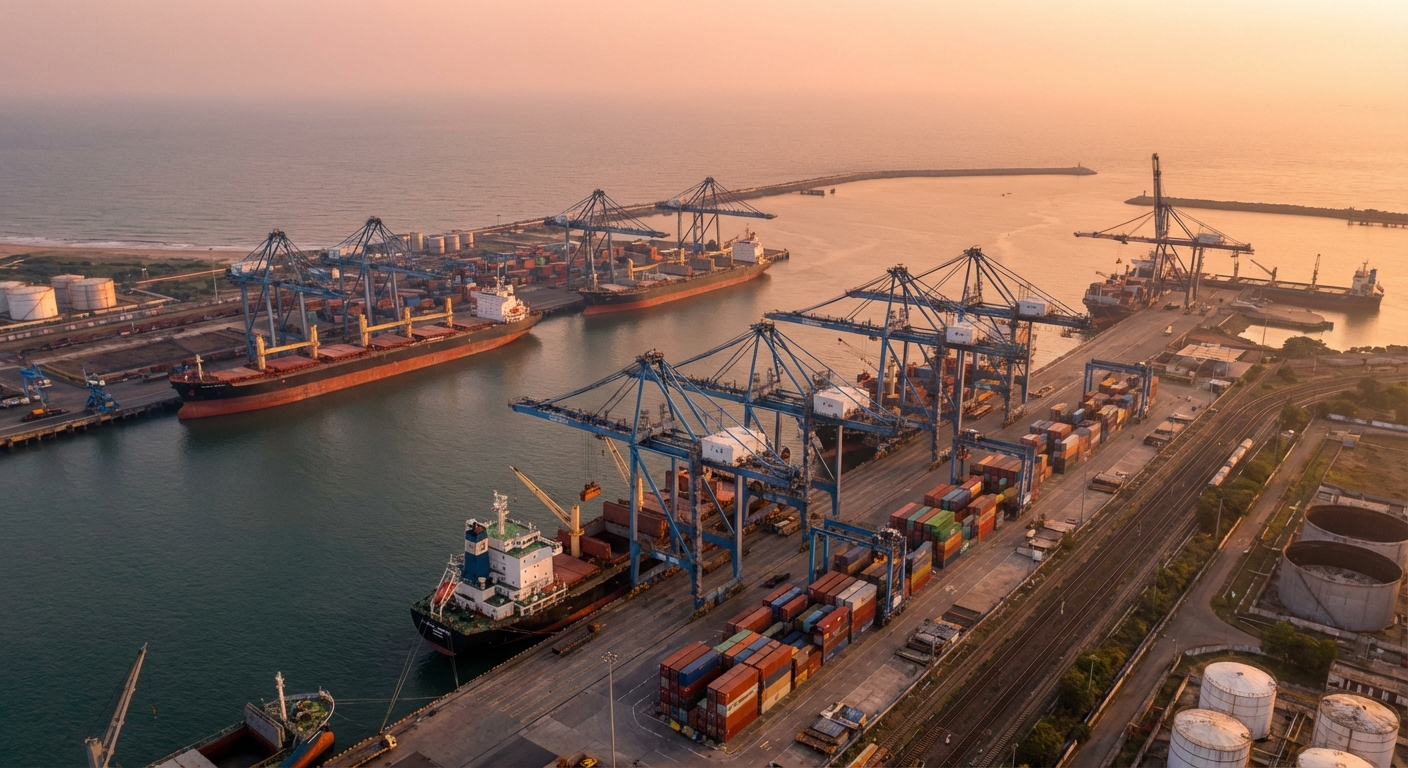
When international buyers and sourcing professionals look toward India's industrial landscape in 2026, one state consistently emerges as a transformation story worth noting—Odisha. Positioned strategically along the Bay of Bengal, this eastern Indian state has evolved from a primarily agrarian economy into a diversified industrial nucleus that commands attention from global manufacturing and export communities.
What makes Odisha particularly compelling for business professionals isn't just one factor—it's the convergence of multiple advantages. The state sits atop some of Asia's richest mineral deposits, hosts world-class manufacturing facilities, operates deep-water ports with international connectivity, and maintains a growing ecosystem of skilled labor and supportive industrial policies.
For import-export professionals, procurement specialists, and trade consultants, understanding Odisha's capabilities represents more than regional knowledge—it's strategic intelligence that can unlock competitive sourcing opportunities and new market channels. This comprehensive handbook examines the state's industrial architecture, export competencies, logistical infrastructure, and commercial opportunities that position it as a critical node in global supply chains.
Understanding Odisha's Foundational Economic Strengths
Mineral Wealth as Industrial Foundation
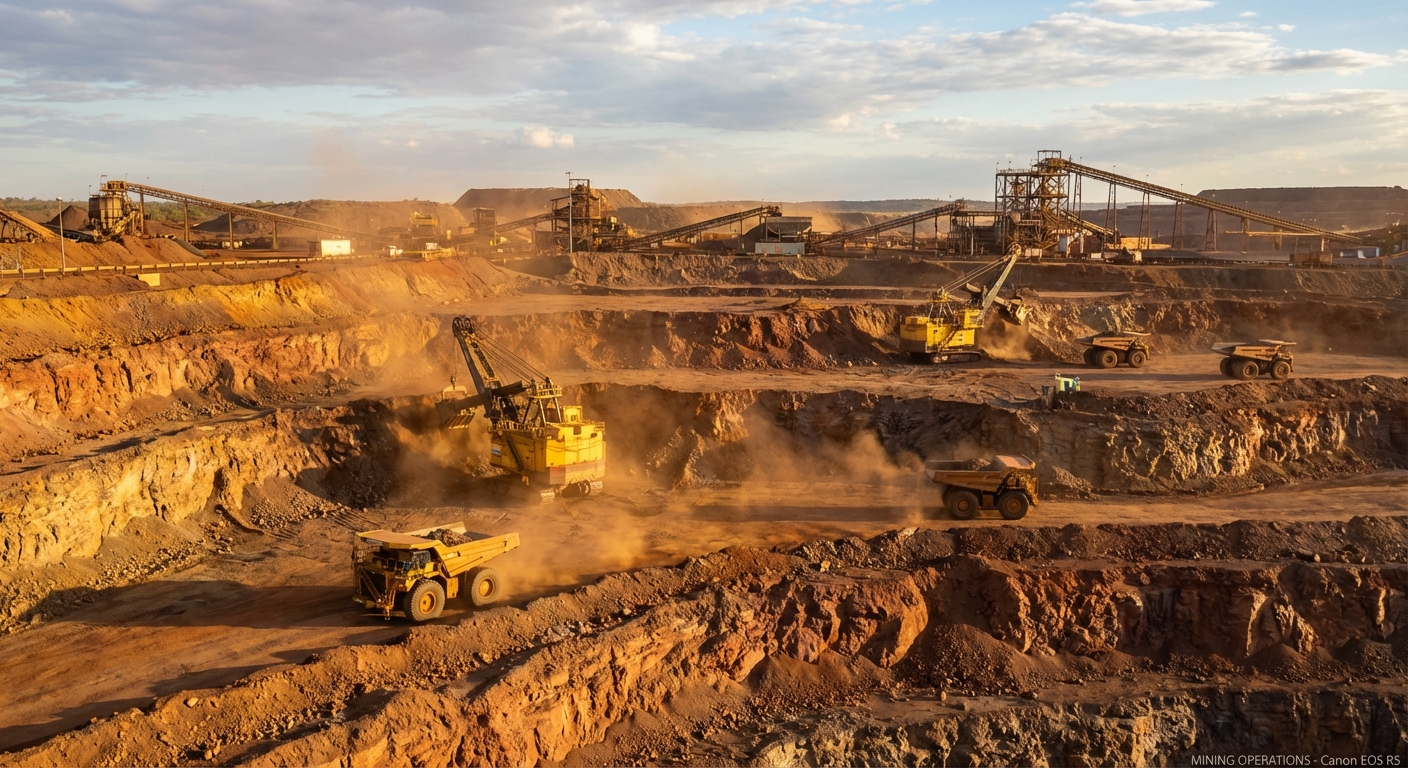
Beneath Odisha's surface lies geological fortune that has shaped its entire economic trajectory. The state controls substantial portions of India's most valuable mineral reserves, creating a natural foundation for heavy industry development.
Key Mineral Resources:
- Iron Ore Deposits: Hosting approximately 33% of India's total iron ore reserves, concentrated in districts like Keonjhar, Sundergarh, and Mayurbhanj
- Bauxite Reserves: Controlling roughly 50% of the nation's bauxite deposits, primarily in the eastern plateau regions
- Coal Resources: Significant coalfields in Talcher, Ib River, and Rampur areas supporting energy and thermal power sectors
- Chromite Concentration: Nearly 98% of India's chromite reserves located in Odisha's Sukinda valley
- Additional Minerals: Substantial deposits of limestone, dolomite, manganese, and graphite
This mineral endowment doesn't merely represent natural wealth—it creates a vertically integrated industrial ecosystem where raw material availability directly enables downstream manufacturing excellence.
Strategic Geographic Positioning
Odisha's location offers distinct logistical advantages that amplify its industrial potential. Situated midway along India's eastern coastline, the state serves as a natural bridge between northern and southern industrial corridors while providing direct maritime access to Southeast Asian, East Asian, and Middle Eastern markets.
The state's 480-kilometer coastline accommodates multiple deep-water port facilities, reducing transportation costs for bulk exports and imports. Proximity to major consumption centers in eastern and central India further enhances its attractiveness as a manufacturing base.
Industrial Clusters and Manufacturing Landscape
Major Industrial Zones Transforming Regional Economy
Odisha's industrial development strategy has centered on creating specialized manufacturing clusters that leverage local resource advantages while attracting anchor industries that generate ecosystem effects.
Angul Industrial Complex:
This region has emerged as Odisha's aluminum and power generation hub. Major multinational corporations have established large-scale aluminum smelting facilities here, capitalizing on bauxite proximity and power availability. The cluster now includes auxiliary industries, chemical plants, and manufacturing units serving the primary aluminum sector.
Jharsuguda Manufacturing Corridor:
Originally developed around cement and power industries, Jharsuguda has diversified into metals, alloys, and specialty materials manufacturing. The presence of integrated power plants provides reliable energy supply—a critical factor for continuous-process industries.
Rourkela Steel City:
Home to one of India's pioneering integrated steel plants, Rourkela represents decades of metallurgical expertise. Beyond the primary steel plant, the region hosts numerous downstream steel processing units, engineering fabrication facilities, and specialized alloy manufacturers.
Jajpur Industrial Estate:
This rapidly expanding zone features diverse manufacturing including stainless steel production, ferrochrome plants, sponge iron facilities, and metalworking operations. Jajpur exemplifies the new generation of industrial development—planned infrastructure, multi-sector presence, and export-oriented production.
Paradeep Coastal Complex:
Leveraging port proximity, this area specializes in petrochemicals, petroleum refining, and bulk cargo handling. The integration of refining capacity with port infrastructure creates efficiency advantages for import-dependent industries and export-oriented manufacturers.
Emerging Sectors Beyond Heavy Industry
While metals and minerals dominate Odisha's industrial profile, diversification initiatives are creating new sourcing opportunities:
- Food Processing Infrastructure: Growing investment in seafood processing, agricultural product packaging, and specialty food manufacturing responding to both domestic and export demand.
- Renewable Energy Manufacturing: Solar panel assembly, wind turbine component production, and battery manufacturing facilities responding to India's clean energy transition.
- Pharmaceutical Production: API manufacturing and formulation facilities capitalizing on chemical industry expertise and port connectivity for raw material imports.
- Textile and Apparel: Expansion beyond traditional handloom production into organized garment manufacturing for domestic and export markets.
Export Excellence: Products and Global Reach
Primary Export Categories Driving Foreign Exchange
Odisha's export portfolio reflects its industrial strengths while demonstrating increasing diversification. Understanding these export categories helps sourcing professionals identify competitive advantage areas.
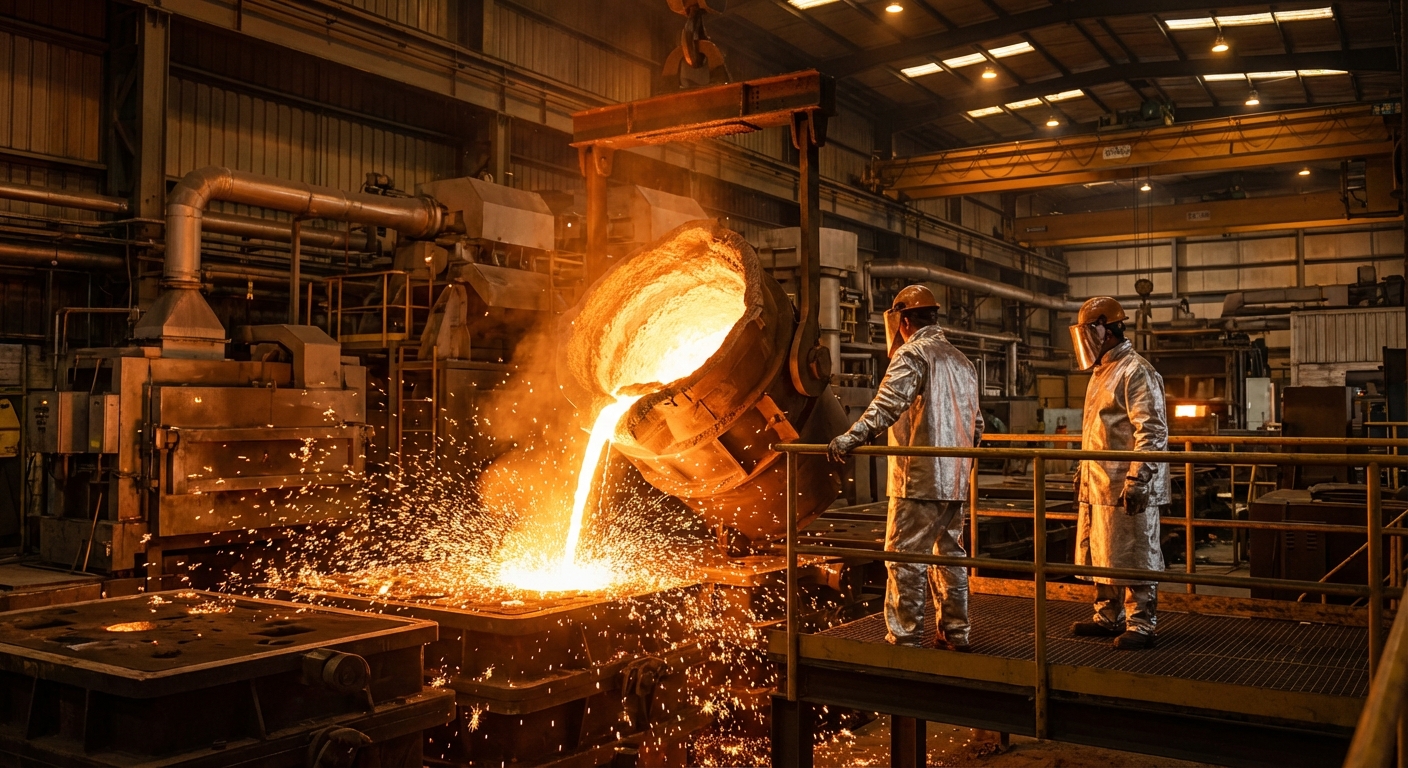
Mineral and Metal Exports:
The state leads India in several metal export categories:
- Iron ore pellets and fines to Asian steel mills
- Primary aluminum ingots and billets to global markets
- Ferrochrome and specialty ferroalloys to stainless steel manufacturers
- Processed chromite for refractory and chemical industries
Marine and Aquaculture Products:
Odisha's extensive coastline and brackish water resources support substantial seafood exports:
- Frozen shrimp (particularly vannamei and tiger prawns) to North American and European markets
- Marine fish products including pomfret, tuna, and mackerel
- Value-added seafood preparations responding to global convenience food trends
- Dried and processed fish products to regional Asian markets
Agricultural Commodities:
Beyond industrial products, agricultural exports contribute significantly:
- Rice varieties (both premium aromatic and standard grades)
- Pulses and legumes from rain-fed agricultural zones
- Spices including turmeric, ginger, and indigenous varieties
- Processed cashew kernels from coastal production areas
Handicrafts and Artisan Products:
Cultural products representing unique value propositions:
- Sambalpuri and Bomkai handloom textiles recognized internationally
- Pattachitra scroll paintings and artistic products
- Silver filigree work from Cuttack with distinctive design heritage
- Appliqué work from Pipli known for vibrant color patterns
Destination Markets and Trade Partnerships
Odisha's export footprint extends across multiple continents with concentration in specific markets:
Asian Markets: China, Japan, South Korea, and Southeast Asian nations represent primary destinations for mineral and metal exports, capitalizing on proximity and established trade relationships.
Middle Eastern Connections: Gulf countries import construction materials, processed foods, and consumer goods, with growing trade volumes supported by maritime connectivity.
European Union: Seafood products, textiles, and specialty minerals find receptive markets across EU member states, particularly in quality-conscious segments.
North American Demand: United States and Canadian markets import seafood, handicrafts, and specialty industrial materials, with growing interest in organic and sustainable products.
African Partnerships: Emerging trade relationships with East African nations for various manufactured goods and agricultural products.
Logistics Infrastructure and Connectivity Framework

Maritime Gateway Operations
Port infrastructure represents perhaps Odisha's most strategic advantage for international trade. The state operates multiple facilities serving different cargo profiles and geographic markets.
Paradip Port Trust:
India's premier iron ore export facility and among the country's largest ports by cargo volume, Paradip handles diverse cargo including:
- Dry bulk minerals accounting for the largest volume share
- Petroleum, oil, and lubricants through dedicated terminals
- Containerized cargo through expanding ICTT facilities
- Coal imports supporting regional power plants
Deep draft capacity accommodates cape-size vessels, reducing transportation costs for bulk shippers. Ongoing mechanization and automation projects enhance turnaround efficiency.
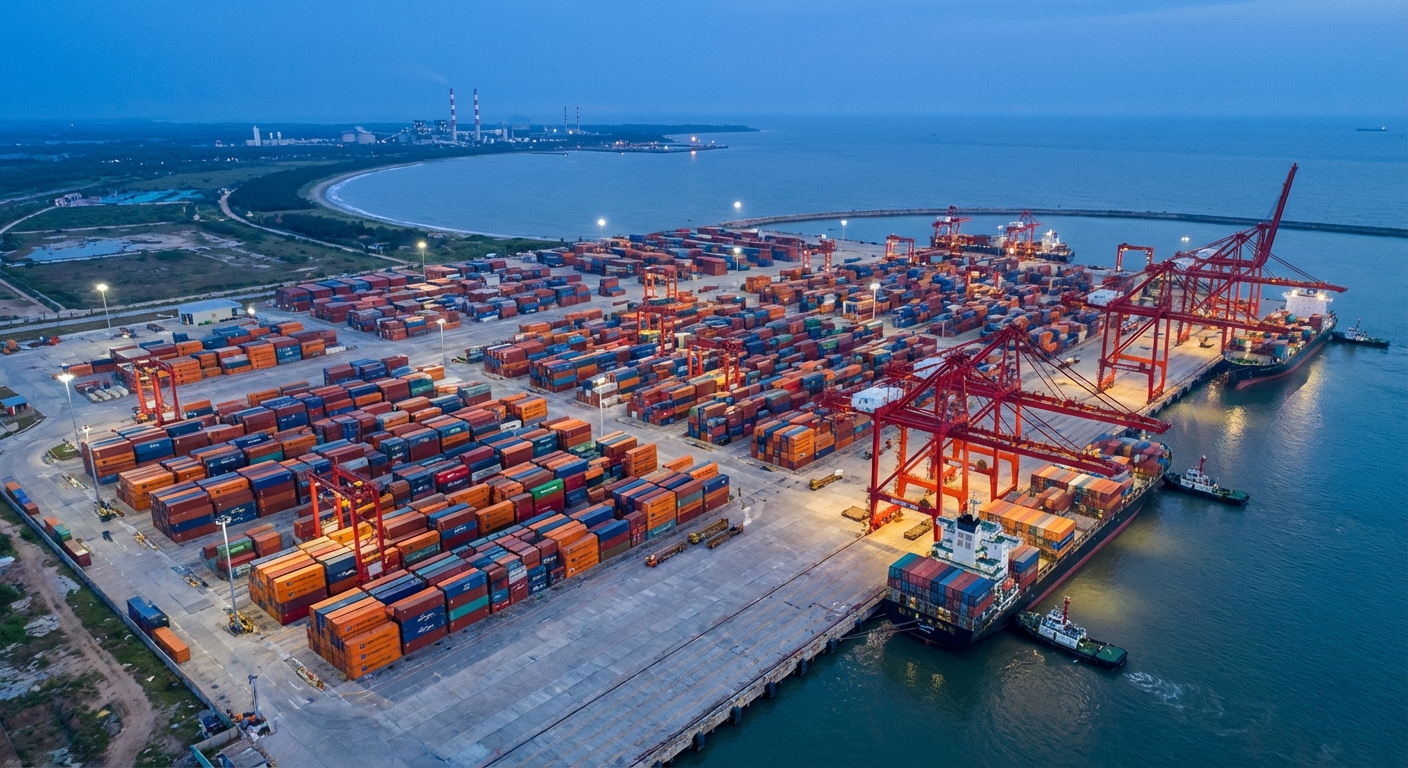
Dhamra Port:
This modern, privately-operated deep-water facility offers:
- State-of-art cargo handling systems
- Coal and mineral handling specialization
- Growing container operations
- Direct hinterland connectivity through dedicated rail and road links
Dhamra's private management model enables flexible commercial arrangements and responsive customer service—significant advantages for exporters seeking reliable logistics partners.
Gopalpur Port:
Though smaller than Paradip or Dhamra, Gopalpur serves important niche functions:
- Coastal shipping operations connecting regional markets
- Smaller vessel operations suitable for specific cargo types
- Potential for expansion serving southern Odisha industrial zones
Inland Connectivity and Customs Facilities
Beyond ports, Odisha's trade infrastructure includes:
Inland Container Depots (ICDs):
ICDs in Bhubaneswar and other locations provide customs clearance facilities closer to manufacturing zones, reducing logistics time and costs for containerized exports. These facilities offer:
- Full customs processing capabilities
- Container stuffing and destuffing services
- Warehousing and temporary storage
- Documentation support for exporters
Rail Connectivity:
Dedicated freight corridors and mainline rail connections link industrial zones to ports and major consumption centers. Recent infrastructure investments have:
- Increased line capacity reducing congestion
- Improved turnaround times for freight operations
- Enhanced connectivity between mines, plants, and ports
Road Network Development:
State and national highway improvements have upgraded surface transportation:
- Multi-lane highways connecting major industrial zones
- Improved rural connectivity supporting agricultural exports
- Reduced transit times between production centers and export points
Sector-Specific Sourcing Opportunities
Metallurgical Products and Components
For buyers seeking metal products, Odisha offers several competitive advantages:
Steel and Steel Products:
- Integrated steel plants producing various grades and forms
- Downstream processors offering customized specifications
- Cost advantages from raw material proximity
- Quality certifications meeting international standards
Aluminum Products:
- Primary aluminum production capacity among India's largest
- Growing downstream fabrication capabilities
- Emerging presence in aerospace-grade and specialty alloys
- Competitive pricing from vertically integrated operations
Ferroalloys and Specialty Metals:
- Ferrochrome production serving stainless steel industry
- Ferrosilicon, ferromanganese, and other alloy varieties
- Custom alloy development capabilities
- Technical support for specialized applications
Agricultural and Food Products
Sourcing agricultural commodities from Odisha presents opportunities in:
Organic and Traditional Varieties:
The state's substantial tribal population maintains traditional agricultural practices with limited chemical inputs, creating natural organic production suitable for certified organic supply chains.
Seafood Excellence:
Modern aquaculture practices combined with extensive marine resources produce seafood meeting international quality and safety standards. Processing facilities incorporate HACCP protocols and traceability systems required for export markets.
Specialty Rice Varieties:
Aromatic and specialty rice types indigenous to Odisha offer differentiation opportunities for premium market segments.
Handicrafts and Cultural Products
For buyers seeking authentic artisan products with cultural significance:
Textile Heritage:
Handloom production continues as both livelihood activity and cultural preservation, offering products with genuine artisan stories suitable for ethical sourcing programs and premium positioning.
Metalwork and Decorative Items:
Silver filigree techniques passed through generations produce intricate decorative items, jewelry, and gift articles with distinctive aesthetic appeal.
Artistic Products:
Traditional painting styles and contemporary adaptations serve decorative, gift, and collectible market segments.
Business Environment and Operational Considerations
Investment Climate and Industrial Policy
Odisha's government has implemented progressive industrial policies designed to attract investment and facilitate business operations:
Incentive Structures:
- Capital investment subsidies for eligible sectors
- Tax benefits for manufacturing units in designated zones
- Land allocation at competitive rates in industrial parks
- Power tariff concessions for energy-intensive industries
Single Window Clearance:
Streamlined approval processes reduce bureaucratic delays for project establishment and operational licensing.
Infrastructure Support:
Government investment in industrial park development, connectivity improvement, and skill development programs reduces private sector infrastructure burden.
Workforce and Skill Availability
Odisha's labor market offers specific advantages:
Technical Education Infrastructure:
Engineering colleges, polytechnics, and vocational training centers produce technically trained workforce suitable for manufacturing operations.
Competitive Labor Costs:
Wage rates remain competitive compared to western and southern Indian states while productivity levels continue improving.
Specialized Training Programs:
Sector-specific skill development initiatives in welding, machining, quality control, and production operations align workforce capabilities with industry requirements.
Quality Standards and Compliance
For international buyers, quality assurance capabilities are critical:
Testing and Certification Facilities:
Government and private laboratories provide testing services for metallurgical products, food items, and manufactured goods meeting international standard requirements.
Export Inspection Infrastructure:
Dedicated inspection agencies for specific product categories ensure compliance with destination country requirements before shipment.
Industry Associations:
Active chambers of commerce and industry-specific associations facilitate knowledge sharing on compliance requirements and best practices.
Practical Guidance for Sourcing Professionals
Identifying Reliable Suppliers
Successfully sourcing from Odisha requires systematic supplier identification and evaluation:
Information Resources:
- State export promotion agencies maintain supplier databases
- Industry associations provide member directories
- Port authorities can identify exporters by product category
- Trade fairs and exhibitions offer direct interaction opportunities
Verification Processes:
- Physical facility visits to assess production capabilities
- Financial due diligence through banking references
- Customer references from existing international buyers
- Certification verification with issuing authorities
Quality Assessment:
- Sample testing before commercial orders
- Third-party inspection during production
- Pre-shipment verification of specifications
- Clear quality agreement documentation
Logistics and Shipping Considerations
Efficient logistics requires understanding specific operational factors:
Lead Time Planning:
Account for production time, inland transportation to ports, customs processing, and ocean freight duration. Typical lead times vary by product category but generally range from 6-12 weeks for manufactured goods.
Documentation Requirements:
Ensure suppliers understand destination country documentation requirements including certificates of origin, phytosanitary certificates for agricultural products, and quality certifications.
Incoterms Selection:
Choose appropriate Incoterms based on your logistics capabilities and risk preference. FOB from Indian ports is common, but CIF or CFR arrangements may offer advantages depending on freight market conditions.
Container Optimization:
Work with suppliers to maximize container utilization, particularly important for lower-value bulk products where freight costs significantly impact landed prices.
Payment and Financial Arrangements
Establishing appropriate payment terms balances risk for both parties:
Letter of Credit Transactions:
Most suitable for initial transactions and higher-value orders, providing security for both exporter and importer through banking intermediation.
Documentary Collections:
Appropriate for established relationships where trust exists but parties prefer some banking involvement for document handling.
Open Account Terms:
Generally reserved for long-standing relationships with proven track records, offering convenience but requiring credit risk assessment.
Trade Finance Options:
Various trade finance instruments can bridge working capital gaps and facilitate larger transactions.
Future Trajectory and Emerging Opportunities
Renewable Energy Transition Impact
India's ambitious renewable energy targets create multiple opportunities:
Solar Component Manufacturing:
Growing domestic solar equipment production capabilities responding to national installation targets and potential export opportunities.
Battery and Storage Systems:
Emerging manufacturing capabilities for lithium-ion batteries and alternative storage technologies serving both automotive and grid-scale applications.
Green Hydrogen Production:
Odisha's industrial base and renewable energy potential position it for green hydrogen production serving domestic steel and fertilizer sectors with export potential emerging.
Value Addition and Processing Expansion
Movement up the value chain creates new sourcing possibilities:
Downstream Metal Processing:
Beyond primary production, growing capabilities in precision components, engineered products, and specialty applications increase sourcing diversity.
Food Processing Growth:
Investment in modern food processing infrastructure enables value-added products beyond raw commodity exports.
Technology Integration:
Adoption of Industry 4.0 technologies, automation, and quality systems enhances competitiveness in global markets.
Sustainability and Responsible Sourcing
Increasing focus on environmental and social standards influences operational practices:
Environmental Compliance:
Stricter enforcement of environmental regulations drives industry toward cleaner technologies and responsible resource management.
Social Responsibility:
Growing awareness of fair labor practices, community engagement, and ethical sourcing aligns with international buyer expectations.
Traceability Systems:
Implementation of supply chain transparency tools enabling buyers to verify sourcing claims and sustainability credentials.
Conclusion: Strategic Positioning for Global Trade Professionals
Odisha represents more than just another sourcing destination—it embodies the type of comprehensive industrial ecosystem that savvy procurement professionals seek when building resilient, competitive supply chains. The convergence of natural resource advantages, expanding manufacturing capabilities, robust logistics infrastructure, and supportive policy environment creates a compelling proposition for international buyers across multiple product categories.
For export-import professionals looking to diversify their sourcing footprint within India or establish initial presence in South Asian supply chains, Odisha warrants serious consideration. The state offers competitive pricing driven by resource proximity, quality capabilities meeting international standards, and logistics connectivity enabling efficient global distribution.
As global supply chains continue evolving toward greater resilience and diversification, Odisha's industrial ecosystem stands ready to serve as a strategic partner for businesses seeking reliable, cost-effective, and sustainable sourcing solutions. The opportunity for forward-thinking trade professionals lies in engaging early with this dynamic market and building relationships that will deliver long-term competitive advantage.