Introduction: The Hidden Control You Have Over Import Costs
Walk into any importer's office in Mumbai, Chennai, or Delhi, and you'll likely hear the same complaint: "Customs duty is eating into our profit margins, and there's nothing we can do about it." This belief—that import duties are completely outside your control—is costing Indian businesses lakhs of rupees every month.
Here's the truth that successful importers understand: customs duty isn't a locked-in expense determined by fate or government whim alone. It's a variable cost influenced heavily by choices you make weeks or even months before your container arrives at Indian shores.
Think of customs duty like your electricity bill. Yes, there are standard rates, but your actual payment depends on how wisely you use the resource. The difference? With imports, the "smart usage" happens during planning, sourcing decisions, documentation preparation, and scheme selection—not after your goods are sitting in a customs warehouse.
This comprehensive guide reveals the actionable strategies that can transform your import cost structure. Whether you're a manufacturer sourcing raw materials, a retailer importing finished products, or a trading company building your international supply chain, these insights will help you approach customs duty as a manageable variable rather than an unavoidable burden.
The golden rule? Your duty-saving window closes when the ship departs, not when it arrives.
Understanding the Customs Duty Ecosystem: What Actually Determines Your Bill
Before diving into reduction strategies, let's establish how customs duty actually works in India's import framework.
When goods cross into Indian territory, multiple components combine to create your total tax liability:
Basic Customs Duty (BCD): This is the primary tariff applied based on product classification. Rates vary dramatically—from zero percent on essential raw materials to over 100% on luxury items.
Integrated Goods and Services Tax (IGST): Calculated on the duty-paid value, this replaced multiple indirect taxes post-2017. While payable upfront, registered businesses can claim input tax credit.
Social Welfare Surcharge (SWS): A 10% surcharge on BCD (with certain exemptions), introduced to fund education and healthcare initiatives.
Additional duties: Some products attract anti-dumping duty, safeguard duty, or compensatory cess depending on origin country and product category.
Your assessable value—the base on which these percentages apply—includes the product cost, international freight, insurance, and certain other charges up to the Indian port of entry.
Here's what most importers miss: every component in this calculation has legitimate optimization opportunities. From the HS code that determines the BCD rate to the transaction value that forms the base, informed decisions made early can cascade into substantial savings.

Strategy 1: Master the Art and Science of HS Code Selection
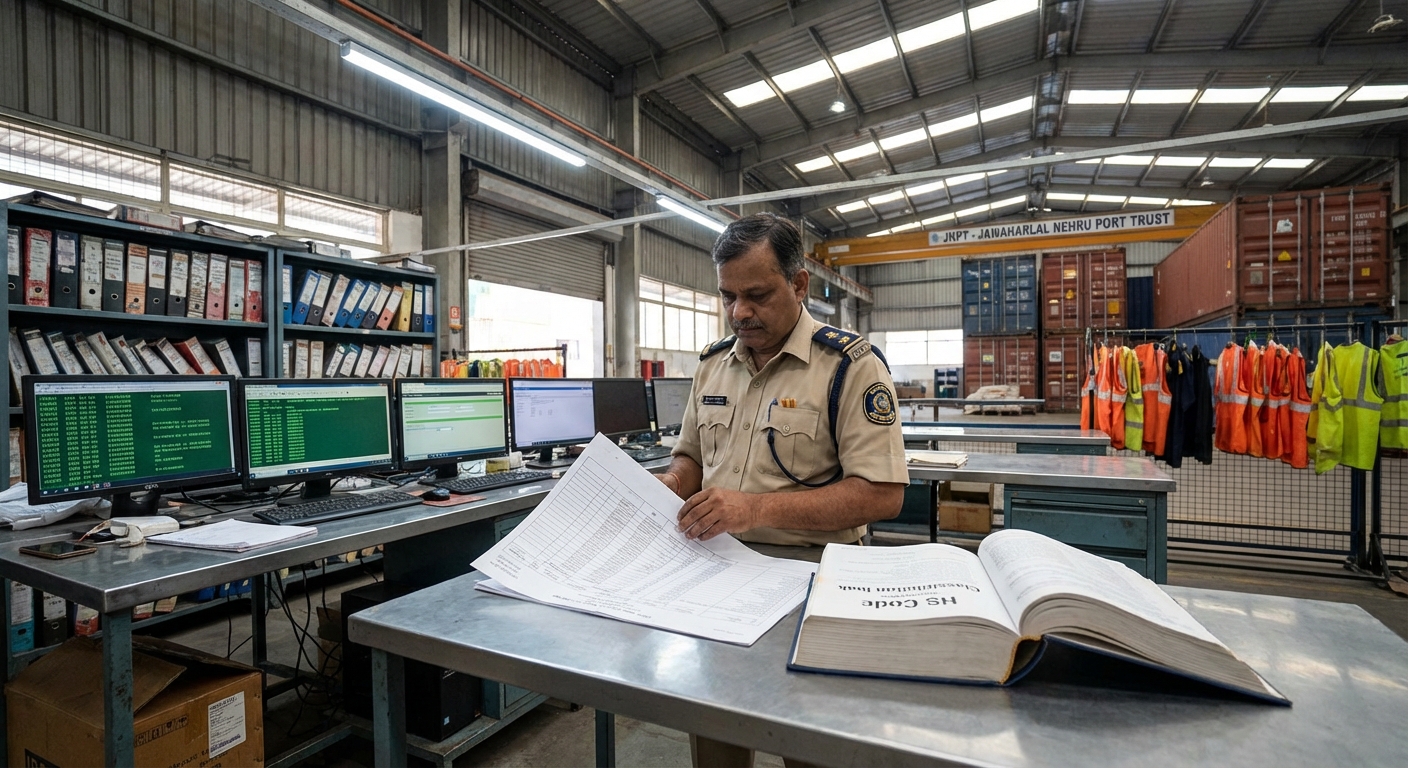
The Harmonized System of Nomenclature might sound like dry bureaucratic terminology, but it's actually the single most powerful lever in your duty-reduction toolkit.
Why HS Classification Matters More Than You Think
This eight-digit code determines not just your duty rate, but also whether you're eligible for exemptions, preferential treatment under trade agreements, and various government incentive schemes. Get it right, and you might pay 5% duty. Get it wrong, and the same product could attract 20%.
Consider this real-world scenario: A company importing LED lighting components initially classified them under a general "lighting equipment" code attracting 20% BCD. After proper analysis, they discovered their specific components qualified under an "electronic parts" classification with only 10% duty—a 50% reduction in their customs bill, completely legally.
How to Navigate HS Classification Effectively
- Start with the Customs Tariff: India's Customs Tariff Act provides detailed descriptions for each heading and subheading. Don't just skim—read the chapter notes, section notes, and general rules of interpretation.
- Study the product composition: HS classification often depends on material composition percentages, intended use, and processing stage. Document these details from your supplier with precision.
- Research precedents: The Customs Authority for Advance Rulings (CAAR) publishes decisions on classification disputes. These rulings reveal how customs interprets ambiguous cases and can guide your classification strategy.
- Consider functionality over appearance: Two products might look similar but serve different functions, warranting different classifications. A USB cable sold as a computer accessory has a different HS code than the "same" cable packaged as a mobile phone charger.
- Document your reasoning: Maintain technical specifications, manufacturer descriptions, and usage guides that support your classification choice. If questioned, solid documentation demonstrates due diligence rather than evasion.
Common Classification Mistakes That Cost Money
- Defaulting to the supplier's classification without verification—foreign exporters often don't understand India's specific tariff structure.
- Using overly generic codes when more specific (and favorable) subcategories exist.
- Ignoring annual tariff updates that might introduce new beneficial classifications or exemptions.
Pro insight: Engaging a customs consultant for classification review of high-volume imports typically pays for itself many times over through the duty savings identified.
Strategy 2: Leverage India's Growing Network of Trade Agreements
India has progressively opened its borders through strategic trade partnerships, creating a web of preferential duty opportunities that most small and medium importers completely overlook.
The Free Trade Agreement Advantage
Free Trade Agreements (FTAs) and Comprehensive Economic Partnership Agreements (CEPAs) allow imports from partner countries at reduced or eliminated duty rates. As of 2026, India maintains active agreements with:
- Asian partners: ASEAN nations (Thailand, Vietnam, Indonesia, Singapore, Malaysia, Philippines), Japan, South Korea, Afghanistan, Sri Lanka, Nepal, Bhutan, Bangladesh
- Middle East: UAE (under CEPA), Oman (recently implemented)
- Other regions: Australia, Mauritius, Chile, and ongoing negotiations with the European Union and United Kingdom
Real-World Impact of FTA Utilization
An industrial machinery importer was paying 10% BCD on equipment from China. After supply chain analysis, they identified equivalent manufacturers in Vietnam and Thailand (ASEAN FTA partners). By shifting sourcing to Thailand and obtaining proper certificate of origin, their BCD dropped to zero—a complete elimination of one major cost component.
Similarly, a textile trader importing polyester fabric was paying 10% duty on Korean supplies. Under the India-Korea CEPA, these fabrics qualified for preferential treatment. With proper documentation, duty reduced to just 2%, significantly improving competitiveness.
Making FTAs Work: The Documentation Requirements
Preferential duty isn't automatic—it requires proper evidence. The centerpiece is the Certificate of Origin (COO), issued by authorized bodies in the exporting country certifying that goods originated there according to FTA rules.
- Origin rules vary by agreement: Some require minimum value addition percentages, others specify manufacturing processes, and some work on tariff heading changes. Understanding these rules for your product category is essential.
- Direct consignment requirement: Most FTAs require goods to be shipped directly from the origin country to India. Transit through third countries may disqualify preferential treatment unless specific conditions are met.
- Invoice declarations: Commercial invoices must include specific statements referencing the FTA and origin criteria.
- Advanced planning essential: You cannot obtain COO retrospectively after import. The certificate must be in hand when filing your customs declaration.
Strategic Sourcing Based on Trade Agreements
Smart importers now evaluate suppliers through a "total landed cost" lens that includes preferential duty opportunities:
- Before finalizing a supplier in China, check if comparable quality exists in Vietnam, Thailand, or South Korea where FTA benefits apply.
- When the price difference between FTA and non-FTA countries is less than the duty savings, the FTA source becomes economically superior even if the FOB price is slightly higher.
- Long-term supplier relationships can include contractual requirements for COO issuance, ensuring preferential treatment consistency.
Strategy 3: Optimize Your Transaction Valuation Framework
Customs valuation—determining the assessable value on which duties apply—operates under strict rules, but within those rules lie legitimate optimization opportunities.
Understanding the Valuation Building Blocks
The primary valuation method uses transaction value: the price actually paid or payable for imported goods, adjusted for certain additions and exclusions.
Mandatory additions to transaction value:
- International freight to the Indian port of importation
- Insurance costs during international transit
- Loading, unloading, and handling charges up to importation
- Royalties and license fees related to the imported goods
- Commissions (except buying commissions)
Permissible exclusions:
- Transport costs within India after customs clearance
- Duties and taxes paid in India
- Installation and assembly costs if separately identified
- Post-importation technical training
- After-sales service charges

Legal Valuation Optimization Techniques
- Separate identifiable charges: If your supplier provides installation services, technical training, or extended warranty, ensure these are separately invoiced and genuinely separate commercial arrangements. These charges need not be included in the customs valuation base.
- Inland freight allocation: When negotiating with suppliers, clarify that the agreed price is for delivery to the port of export (FOB) rather than including inland transport in the origin country. This precision ensures only international costs factor into valuation.
- Buying commission structure: Unlike selling commissions (which are added), buying commissions paid to your own purchasing agent are excluded from customs value. Proper documentation of this relationship is critical.
- Freight negotiation benefits: Your freight forwarder choice directly impacts your duty base. Competitive freight negotiations reduce both shipping costs and the customs value calculation.
The Critical Red Line: Valuation Integrity
A word of absolute caution: Undervaluation—deliberately misstating the transaction price—is illegal, easily detected, and severely penalized.
Modern customs systems use sophisticated risk assessment algorithms comparing your declared values against:
- Historical import data for identical or similar goods
- International price databases
- Valuation patterns of other importers in your sector
- Your own past import declarations
Penalties for undervaluation include:
- Duty recovery with interest
- Substantial fines (often exceeding the duty evaded)
- Criminal prosecution in serious cases
- Import license suspension or cancellation
- Damage to business reputation
The risk-reward calculation is clear: potential short-term savings from undervaluation are dwarfed by the catastrophic consequences of detection. Focus instead on the numerous legitimate optimization strategies detailed throughout this guide.
Strategy 4: Make Country of Origin a Strategic Sourcing Variable
Where you source from matters as much as what you source. Country of origin influences duty rates through multiple pathways, making it a powerful strategic consideration in supplier selection.
The Anti-Dumping Duty Dimension
India imposes anti-dumping duty (ADD) on specific products from specific countries when those imports are deemed to be sold below fair market value, injuring domestic industry. As of 2026, hundreds of products face ADD, predominantly from China but also from other manufacturing hubs.
Current high-ADD categories include:
- Various chemicals and polymers
- Steel products and metal alloys
- Electrical and electronic components
- Textile materials and fiber
The additional duty can range from 5% to over 80%, massively impacting your landed cost structure.
Strategic Response to Anti-Dumping Scenarios
- Source verification before commitment: Before finalizing any significant supplier relationship, check current ADD applicability through the Directorate General of Trade Remedies (DGTR) notifications.
- Alternative origin exploration: Often, manufacturers in non-ADD countries can supply comparable products. A product attracting 40% ADD from China might be available from Taiwan, Vietnam, or India itself with zero additional duty.
- Monitor sunset reviews: Anti-dumping duties aren't permanent. They undergo periodic reviews, and some are removed when conditions change. Stay informed about review timelines for products you import.
Safeguard Duties and Country-Specific Restrictions
Beyond anti-dumping, India occasionally imposes safeguard duties on specific imports regardless of origin country (though with potential developing country exemptions) and country-specific quantitative restrictions based on trade disputes or security concerns.
Your sourcing strategy must incorporate ongoing monitoring of these policy changes. What's freely importable today might face restrictions tomorrow, making supplier diversification across countries a risk management imperative.
Strategy 5: Structure Your Shipments for Optimal Duty Treatment
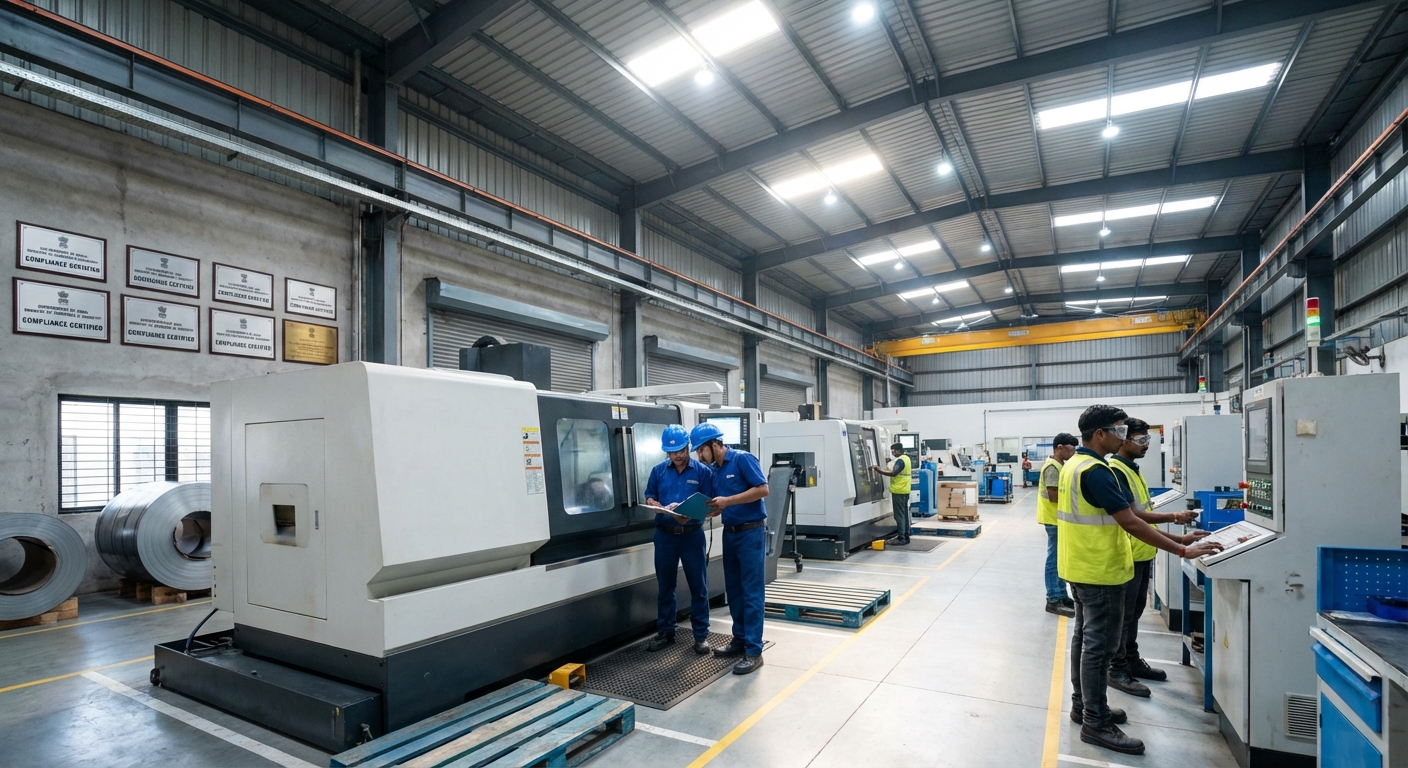
How you physically structure your imports—grouping products, timing shipments, and utilizing intermediate storage options—creates additional optimization opportunities.
The Product Segregation Strategy
When importing multiple product types with different duty rates, consider whether consolidation or separation serves you better.
Scenario: You're importing both raw materials (5% BCD) and finished components (15% BCD) from the same supplier. Shipping them together seems efficient, but:
- If shipped together in one consignment, customs may apply a single classification with averaging or worst-case duty application.
- If shipped as separate consignments with clear HS code differentiation, each gets its appropriate duty rate.
- The additional freight cost of separate shipments might be far less than the duty savings from proper classification.
Timing Shipments Around Duty Changes
Budget announcements, trade policy reviews, and international negotiations frequently result in duty rate modifications. Strategic importers monitor these developments and time significant imports accordingly:
- When duty reductions are announced with future effective dates, delay non-urgent imports to benefit from lower rates.
- When duty increases are anticipated (based on domestic industry protection demands or revenue needs), advance critical imports before implementation.
- Maintain ongoing dialogue with customs consultants and trade associations who track policy developments.
Bonded Warehousing: The Cash Flow Advantage
India's bonded warehouse system allows imported goods to be stored without immediate duty payment, with several strategic benefits:
- Duty deferral: Pay customs duty only when goods are cleared for domestic consumption, potentially months after import. This significantly improves working capital management.
- Re-export without duty: Goods stored in bonded warehouses can be re-exported to third countries without ever paying Indian customs duty, enabling trading operations.
- Manufacturing in bond: Some bonded licenses permit value addition and processing before domestic clearance, with duty paid only on the final processed goods.
- Partial clearances: Clear goods in smaller batches as needed, paying duty only on cleared quantities while the balance remains bonded.
The downside? Warehousing charges and compliance requirements. The calculation: compare warehousing costs against the financial benefit of deferred duty payment and operational flexibility.
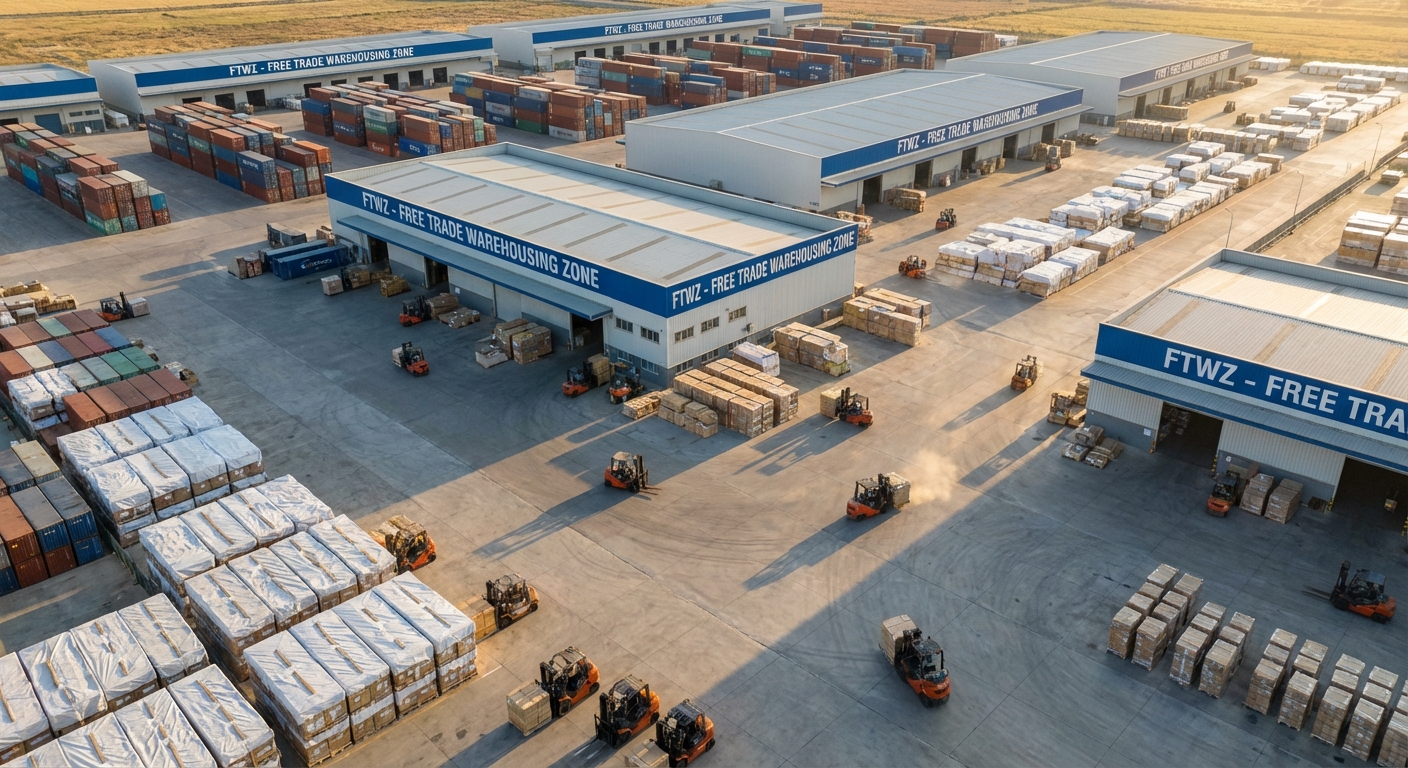
Free Trade Warehousing Zones (FTWZ)
These specialized zones offer enhanced benefits beyond standard bonded warehouses:
- Extended storage periods
- Simplified procedures for manufacturing and processing
- Easier re-export processes
- Certain relaxations in documentation requirements
For businesses with complex import-process-distribute models, FTWZ operations can optimize both duty treatment and operational efficiency.
Strategy 6: Government Schemes That Transform Import Economics
The Indian government operates multiple schemes designed to support manufacturing competitiveness and export growth, many of which provide substantial import duty benefits. Yet surprisingly, many eligible businesses don't utilize them.
The Advance Authorization Scheme: Duty-Free Raw Material Imports
For exporters importing raw materials, components, or consumables used in manufacturing export products, Advance Authorization enables completely duty-free imports tied to export obligations.
How it works:
- You apply to the Directorate General of Foreign Trade (DGFT) specifying the export product, quantity, and the imported inputs required based on standard input-output norms.
- Upon approval, you receive authorization to import specified quantities duty-free.
- The corresponding export obligation must be fulfilled within the stipulated timeframe (typically 12-18 months, with extensions possible).
Real-world application: A leather goods manufacturer exporting handbags imports high-quality hardware components, zippers, and specialized leather. Under Advance Authorization, these imports enter duty-free (saving approximately 10-15% in customs costs), directly improving export competitiveness and margins.
Critical success factors:
- Accurate input-output norm calculation
- Timely export obligation fulfillment
- Proper documentation linking imports to exports
- Compliance with quality and quantity parameters
Export Promotion Capital Goods (EPCG) Scheme: Discounted Equipment Imports
Manufacturing businesses that commit to export obligations can import capital equipment—machinery, tools, technology—at dramatically reduced duty rates (currently 0% for certain categories, with export obligations).
The value proposition:
Normal capital goods imports might attract 7.5% to 15% BCD. Under EPCG, this reduces to zero, provided you fulfill an export obligation worth 6 times the duty saved, over six years.
This transforms capital investment economics, making modernization and capacity expansion significantly more affordable.
Strategic applications:
- Technology upgrades that improve export competitiveness become financially feasible.
- Diversification into new export product lines is supported through subsidized equipment acquisition.
- Phased export obligations spread over years accommodate business growth curves.
Important considerations:
- The export obligation is absolute—failure to fulfill leads to duty recovery with interest.
- Equipment must be used primarily for manufacturing exports, not domestic goods.
- Proper monitoring and annual documentation of export performance is mandatory.
Strategy 7: Scheme-Specific Exemptions and Notifications
Beyond broad schemes, hundreds of specific customs exemption notifications target particular sectors, purposes, or importer categories.
Project Import Exemptions
Large infrastructure and industrial projects may qualify for concessional or nil duty on specified imported equipment and materials that aren't available domestically or where domestic availability is insufficient.
Sectors historically benefiting include:
- Power generation and transmission projects
- Oil and gas exploration and refining
- Metro rail and urban infrastructure
- Port and airport development
- Renewable energy installations
Key Takeaway: Strategic import planning is not about finding loopholes—it's about understanding the system thoroughly and making informed decisions that legally optimize your duty burden while maintaining full compliance.
The most successful importers treat customs duty as a strategic variable, not a fixed cost. By implementing these seven strategies—mastering HS classification, leveraging trade agreements, optimizing valuation, strategic sourcing by origin, smart shipment structuring, utilizing government schemes, and staying current on exemptions—you can transform your import economics while remaining fully compliant with Indian customs law.
Remember: the time to plan is before your goods ship, not when they arrive at the port. Start implementing these strategies today, and watch your import costs decrease while your competitiveness increases.