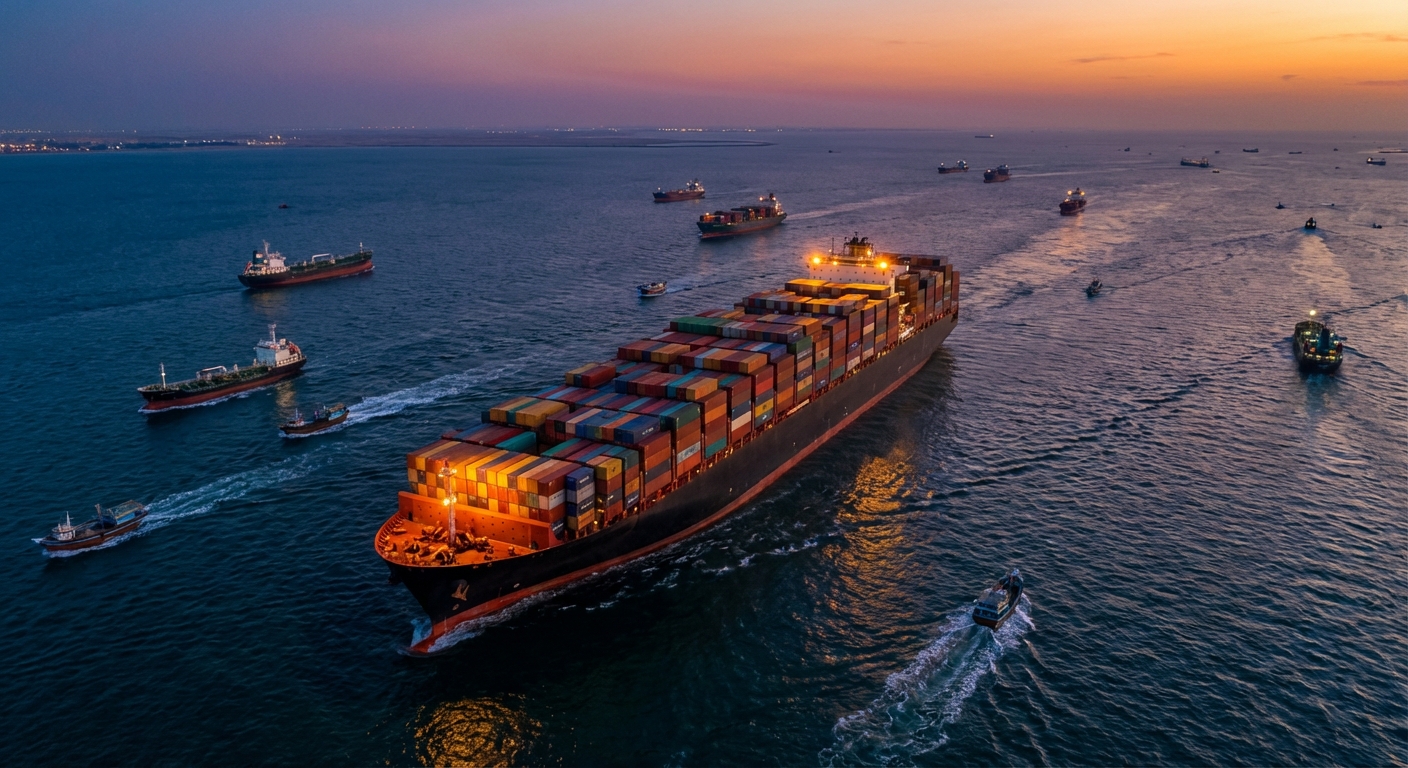
Introduction: When Global Events Hit Your Business Bottom Line
March 2026 has brought unprecedented challenges to international trade corridors.
Regional conflicts across West Asia have triggered ripple effects that extend far beyond geographical boundaries—directly impacting your shipping timelines, profit margins, and business sustainability.
If you're running an import-export venture or planning to enter cross-border commerce, understanding these disruptions isn't optional anymore—it's survival knowledge.
This comprehensive analysis breaks down exactly what's happening, how it affects your operations, and most importantly, the strategic moves you should make right now to not just survive, but actually expand during these turbulent times.
The traders who decode this situation correctly will emerge stronger. Let's ensure you're one of them.
Understanding the Current West Asian Situation: Beyond the Headlines
What's Actually Happening on the Ground?
The escalating tensions across West Asian territories have transformed critical maritime passages into high-risk zones. Multiple nations are involved in territorial disputes, resource conflicts, and strategic positioning battles.
Key Maritime Zones Under Stress:
- Bab-el-Mandeb Strait - Connecting the Red Sea to the Gulf of Aden
- Persian Gulf Waterways - The world's petroleum superhighway
- Suez Canal Approaches - Gateway between Asia and Europe
These aren't just names on a map—they're the arteries through which 30% of global container traffic flows daily.
Why Should Indian Traders Care?
India's geographical position makes these routes non-negotiable for most international shipments:
- 60% of India's westbound cargo uses these passages
- Nearly 80% of oil imports transit through affected areas
- Traditional trade partners in Europe and Africa rely on these connections
When these chokepoints slow down, your entire supply chain feels the pressure within days.
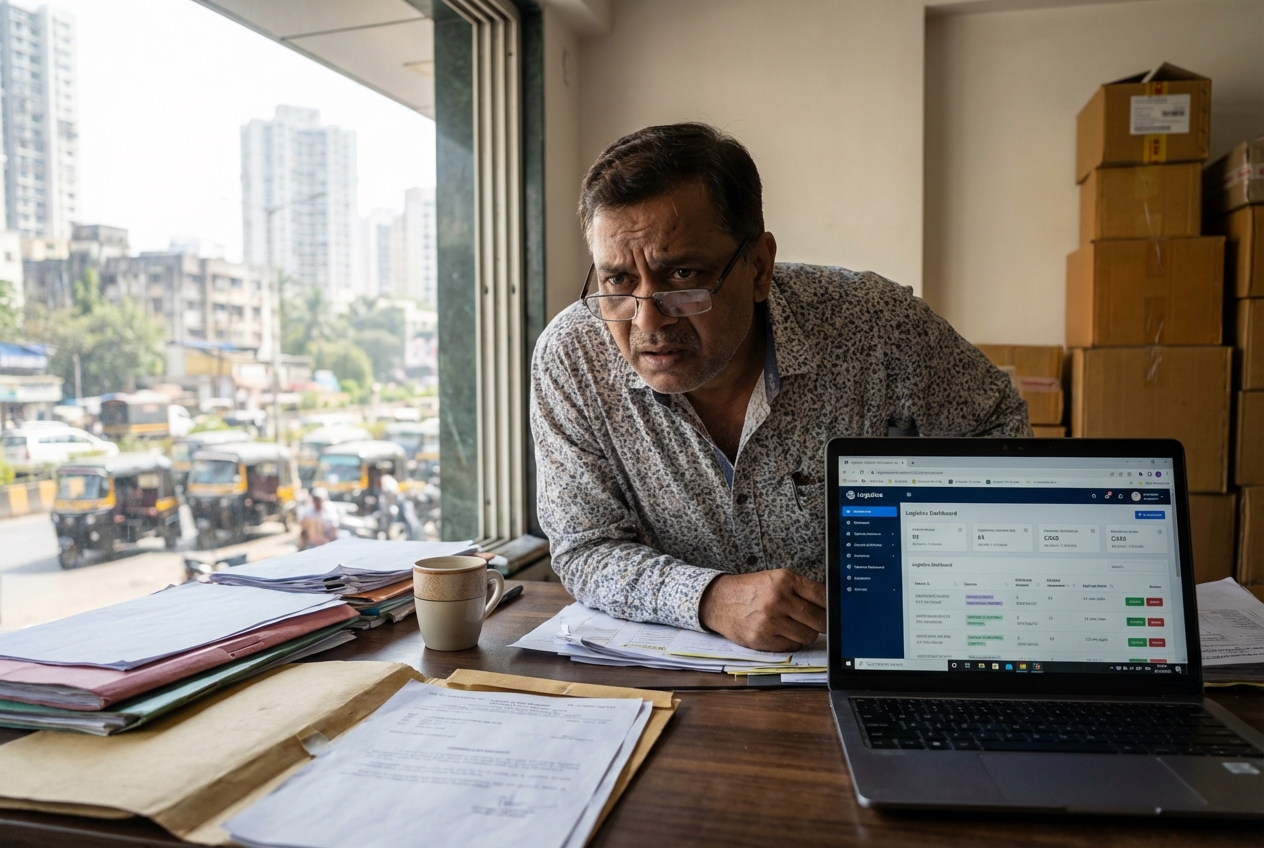
The Domino Effect: How Chaos Translates to Your Business Costs
Freight Charges Are Climbing Aggressively
The most immediate hit comes through escalated transportation expenses.
Current Market Reality:
- Standard container rates have surged 25-35% since January 2026
- Premium "safe route" services command 40-50% higher fees
- Fuel surcharges have doubled on certain corridors
Real Example: A textile exporter from Tiruppur shipping to Rotterdam previously paid approximately ₹85,000 per 40-foot container. Today? The same shipment costs ₹1,15,000-₹1,25,000. That's a ₹30,000-₹40,000 increase per container—eating directly into margins.
Timeline Disruptions Creating Operational Nightmares
Delayed deliveries don't just annoy customers; they create cascading business problems.
What's Changed:
- Routes that took 18-22 days now require 28-35 days
- Unpredictable scheduling makes planning nearly impossible
- Longer transit means more working capital locked in inventory
Downstream Impact:
- Production schedules disrupted for manufacturers
- Retail inventory stockouts during peak seasons
- Penalty clauses triggered on delayed deliveries
- Customer relationships strained
Insurance Premiums Hitting New Heights
Risk translates to cost in the shipping world.
War risk insurance and cargo coverage have spiked dramatically:
- Basic marine insurance up 15-20%
- War risk premiums increased by 50-100%
- Some insurers refusing coverage for specific routes entirely
This isn't just percentage points—it's thousands of rupees added to every single shipment.
Import Business: Facing the Perfect Storm
Raw Material Procurement Challenges
Manufacturers dependent on imported inputs are experiencing severe pressure.
Critical Affected Categories:
- Electronics Components: Semiconductors, displays, batteries
- Industrial Chemicals: Specialty polymers, catalysts, solvents
- Machinery Parts: Precision components, hydraulic systems
- Plastic Resins: PVC, polyethylene, polypropylene variants
Case Scenario: A Mumbai-based electronics assembly unit typically imports display panels from South Korea. Their usual 15-day delivery has stretched to 32 days. Result? Production line stoppages, unfulfilled orders, and penalty payments to buyers.
The Energy Cost Multiplication Effect
Petroleum products influence everything in your cost structure—not just direct fuel.
Hidden Oil Price Impacts:
- Packaging materials (plastic-based) become expensive
- Electricity costs rise (thermal power generation)
- Transportation of finished goods within India gets costlier
- Even office supplies and administrative costs creep upward
When crude touches $95-105 per barrel (current range), every business input feels the heat.
Pricing Pressure vs. Market Competition
Here's your dilemma:
- Option A: Increase selling prices → Risk losing price-sensitive customers
- Option B: Absorb higher costs → Watch profit margins evaporate
Most businesses try splitting the difference, satisfying neither their bottom line nor maintaining full competitive positioning.
Strategic Response: Smart importers are renegotiating annual contracts, building cost escalation clauses, and communicating transparently with customers about market realities.

Export Business: When Your Buyers Go Into Wait Mode
Order Cancellations and Postponements
International buyers are becoming cautious, creating a demand slowdown.
Common Scenarios:
- European retailers delaying seasonal stock purchases
- Middle East distributors reducing order quantities
- African importers switching to "just-in-time" instead of bulk orders
Why This Happens: Foreign buyers face the same freight uncertainties you do. They're minimizing inventory risk by ordering smaller volumes or postponing entirely.
Payment Cycle Extensions
Cash flow—the lifeblood of trading businesses—is getting constricted.
What Exporters Are Experiencing:
- LC (Letter of Credit) negotiations taking longer
- Buyers requesting extended payment terms (90-120 days instead of 60)
- Sight payment conversions to usance credits
- Delayed remittances citing "banking channel disruptions"
Real Impact: Your working capital rotates slower. Money that should return in 60 days now takes 90-100 days, limiting your capacity to take new orders.
Quality Complaints and Claims Rising
Longer transit times in uncertain conditions increase cargo damage risks.
- Temperature-sensitive goods spoiling
- Moisture damage from extended sea exposure
- Handling damage from multiple transshipments
- Pilferage in congested ports
Each claim means paperwork, insurance processes, replacement costs, and customer dissatisfaction—even when you're not at fault.
The Seven Major Obstacles Every Trader Faces Right Now
Let's consolidate the challenge landscape:
- Logistics Cost Explosion: Transportation expenses consuming 40-60% more budget than planned, making previous pricing models obsolete.
- Delivery Predictability Collapse: Inability to commit reliable timelines to customers, damaging professional credibility and contractual relationships.
- Working Capital Squeeze: Extended payment cycles and longer inventory holding periods creating severe cash flow constraints.
- Client Relationship Strain: Constant explanations, apologies, and negotiations replacing smooth business interactions.
- Supplier Reliability Issues: Your overseas vendors facing similar problems, affecting their ability to fulfill your orders consistently.
- Documentation and Compliance Complexity: Changing routes mean different ports, different regulations, and constantly evolving paperwork requirements.
- Risk Management Uncertainty: Traditional risk assessment models failing in unprecedented circumstances, making business decisions feel like gambling.
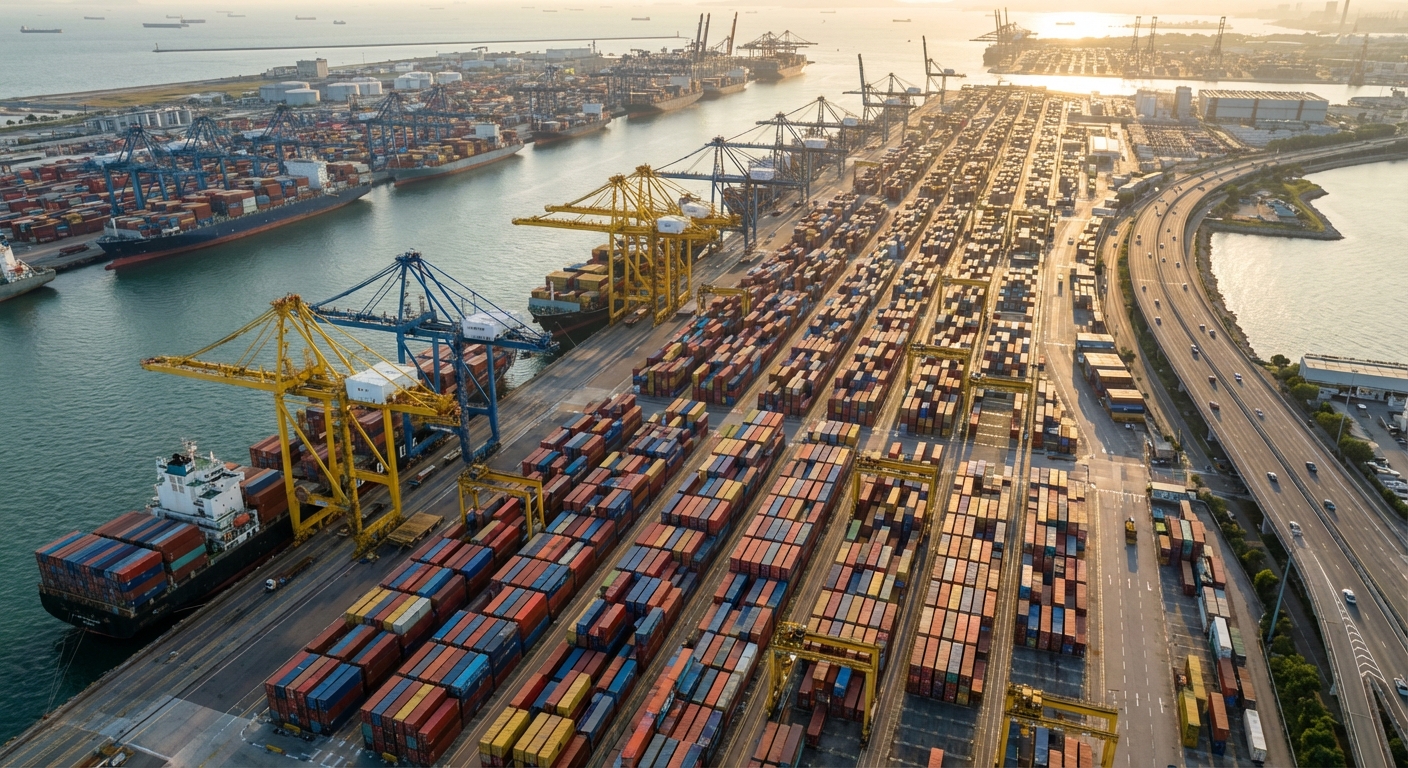
The Silver Lining: Unprecedented Opportunities Emerging from Chaos
Here's the perspective shift successful traders are making: disruption doesn't just create problems—it redistributes market share.
India's Strategic Positioning Gets Stronger
Global supply chain diversification is accelerating, with India as a primary beneficiary.
Why Buyers Are Looking at India Differently:
- Manufacturing Independence: Companies reducing dependence on single-country sourcing
- Political Stability: India offers democratic governance and rule of law
- Cost Competitiveness: Still maintaining labor and production advantages
- Quality Improvements: Indian manufacturing standards have elevated significantly
Opportunity Window: Buyers who couldn't spare time for Indian suppliers last year are now actively seeking alternatives. Your email might finally get read.
China+1 Strategy Creating Market Gaps
Multinational corporations implementing "China+1" sourcing strategies to derisk their supply chains.
What This Means Practically: Products previously sourced 100% from China are now split 70-30 or 60-40 with alternative suppliers. That 30-40% represents billions in available business.
Indian Advantage Sectors:
- Pharmaceutical ingredients and formulations
- Textile and garment manufacturing
- Agricultural and processed foods
- Engineering goods and auto components
- Chemical and petrochemical products
Western Markets Actively Diversifying Sources
European and American buyers are under board-level pressure to reduce supply chain vulnerabilities.
Emerging Demand Patterns:
- Pharmaceutical companies seeking API (Active Pharmaceutical Ingredient) alternatives
- Fashion brands diversifying beyond Bangladesh and Vietnam
- Food processors looking for spice, grain, and specialty ingredient sources
- Electronics manufacturers testing Indian component suppliers
Your Action Step: This is your window. Buyers are receptive to conversations they would have ignored 18 months ago.
Premium Positioning Opportunities
Market disruption lets you reposition your value proposition.
Instead of competing purely on price, you can now emphasize:
- Reliability: Consistent delivery when competitors can't
- Communication: Transparent updates vs. radio silence
- Flexibility: Adapting to changing requirements
- Problem-Solving: Offering solutions, not excuses
Customers will pay premiums for partners who reduce their stress during uncertain times.
Your Strategic Action Plan: 12 Moves to Make This Quarter
Stop watching from the sidelines. Here's your implementation roadmap:
Tactical Responses (Execute Immediately)
1. Route Diversification Analysis
Don't depend on single shipping corridors.
Action Steps:
- Contact your freight forwarders for alternative route quotations
- Compare Cape of Good Hope routing vs. traditional Suez passage
- Evaluate air freight for high-value, time-sensitive goods
- Consider land routes through Central Asia for specific markets
Reality Check: Alternative routes cost more but eliminate uncertainty. Calculate whether 15% higher freight with assured delivery beats 25% savings with 40% delay risk.
2. Supplier Relationship Restructuring
Single-source dependency is dangerous right now.
Implementation:
- Identify backup suppliers for critical inputs (target 2-3 per category)
- Negotiate framework agreements with multiple vendors
- Test quality from alternative sources now, before emergencies
- Build relationships in different geographical regions
3. Customer Communication Overhaul
Silence creates anxiety; transparency builds trust.
Communication Framework:
- Send proactive updates on market situations before customers ask
- Provide realistic timelines with buffer periods
- Explain cost increases with data, not just percentage demands
- Offer solutions alongside problem explanations
Template Approach: Create standard update formats covering: situation background, impact on their orders, options available, your recommended action.
4. Pricing Model Revision
Fixed pricing in volatile markets is business suicide.
Modern Pricing Strategies:
- Introduce fuel adjustment clauses (common in logistics)
- Offer tiered pricing: premium for guaranteed delivery, standard for flexible timing
- Implement quarterly price reviews instead of annual locked rates
- Create surcharge mechanisms tied to specific indices (oil prices, freight rates)
5. Working Capital Optimization
Cash flow management becomes survival skill number one.
Financial Tactics:
- Negotiate advance payments (even 25-30% helps significantly)
- Use trade finance instruments (ECGC cover, export factoring)
- Extend your payable cycles without damaging supplier relationships
- Reduce non-essential inventory holdings
- Consider supply chain financing platforms

Strategic Repositioning (Build for Next 6-12 Months)
6. Market Expansion Into Emerging Geographies
Reduce dependency on affected regions by geographical diversification.
Target Markets Worth Exploring:
- Latin America: Brazil, Mexico, Colombia showing strong import growth
- Africa (Eastern/Southern): Kenya, Tanzania, South Africa with improving trade infrastructure
- Southeast Asia: Indonesia, Philippines, Thailand as both sources and markets
- Eastern Europe: Poland, Czech Republic, Romania for EU access
Research Framework:
- Trade barriers and tariff structures
- Payment reliability and banking relationships
- Cultural business practices and negotiation styles
- Logistics connectivity and cost structures
7. Product Portfolio Optimization
Not all products are equal during crises.
Product Evaluation Criteria:
- High value-to-weight ratio: Diamonds beat cement
- Shorter shelf life tolerance: Less vulnerable to delays
- Lower fragility: Survives longer, rougher journeys
- Consistent demand: Essentials beat luxuries during uncertainty
Portfolio Shift: Temporarily increase focus on products matching current environment strengths.
8. Vertical Integration Exploration
Control more of your value chain to reduce external dependencies.
Integration Options:
- Backward: Secure raw material sources (joint ventures, partnerships)
- Forward: Direct market access (own distribution, e-commerce presence)
- Horizontal: Partner with complementary traders for bulk leverage
9. Technology Adoption for Visibility
Information gaps create anxiety; visibility creates confidence.
Technology Solutions:
- Supply chain tracking platforms: Real-time shipment monitoring
- Trade management software: Documentation, compliance, partner management
- Market intelligence tools: Freight rate tracking, geopolitical updates
- Communication systems: Client portals showing order status
Even basic implementation separates you from competitors operating blindly.
10. Regulatory Compliance Strengthening
Routes change, regulations multiply. Non-compliance creates costly delays.
Compliance Priority Areas:
- Understand Free Trade Agreement benefits (RCEP, UAE CEPA, etc.)
- Ensure proper product classifications (HS codes accuracy)
- Maintain updated certifications (quality, safety, origin)
- Build relationships with customs brokers in multiple ports
Mindset and Knowledge Upgrades
11. Continuous Market Intelligence Development
Information is competitive advantage.
Intelligence Sources to Monitor:
- Freight rate indices (Baltic Dry Index, Freightos)
- Geopolitical analysis platforms
- Industry association updates
- Port congestion reports
- Currency fluctuation forecasts
Time Investment: Dedicate 30-45 minutes daily to market updates. Knowledge pays dividends.
12. Skill Development in Crisis Management
Today's abnormal becomes tomorrow's normal.
Critical Skills for Modern Traders:
- Risk assessment and scenario planning
- Financial hedging basics (currency, commodities)
- Negotiation in high-pressure situations
- Alternative logistics and routing knowledge
- Digital marketing for international buyer acquisition
Learning Resources:
- Export promotion council workshops
- International trade webinars
- Industry conferences (virtual and physical)
- Peer networking groups
- Specialized training programs
Industry-Specific Strategies: Tailored Approaches
For Electronics and Technology Importers
Specific Challenges:
- High-value cargo means insurance costs hit harder
- Technology obsolescence during extended delays
- Component compatibility issues with alternative sources
Targeted Actions:
- Shift partial volume to air freight for latest technology items
- Build closer relationships with Taiwan, South Korea suppliers (shorter routes)
- Maintain higher safety stock of stable components
- Explore bonded warehouse strategies
For Textile and Garment Exporters
Specific Challenges:
- Seasonal delivery deadlines non-negotiable
- European buyers particularly price-sensitive
- Container space availability during peak seasons
Targeted Actions:
- Book container space 6-8 weeks in advance (vs. previous 3-4 weeks)
- Offer consolidated shipping services to smaller buyers
- Develop off-season production capabilities
- Explore nearshoring to target markets for faster replenishment
For Agricultural Product Traders
Specific Challenges:
- Perishability creates urgency
- Quality degradation during delays
- Organic certification complications across routes
Targeted Actions:
- Invest in superior packaging and temperature control
- Develop frozen/processed alternatives to fresh exports
- Focus on products with longer shelf life during uncertain periods
- Build cold chain partnerships at destination ports
For Chemical and Industrial Importers
Specific Challenges:
- Hazmat regulations vary significantly across routes
- Safety certifications need route-specific updates
- Storage costs escalate with delivery delays
Targeted Actions:
- Obtain multi-route safety certifications upfront
- Partner with specialized logistics providers
- Implement just-in-case inventory for critical chemicals
- Develop domestic sourcing alternatives where viable
Financial Planning During Uncertainty
Budgeting With Volatility Buffers
Traditional annual budgets break under current conditions.
New Budgeting Approach:
- Base Scenario: Conservative assumptions (35% freight increase, 4-week delays)
- Moderate Scenario: Current conditions continue (25% freight increase, 2-week delays)
- Optimistic Scenario: Gradual normalization (15% freight increase, minimal delays)
Key Takeaway: Build flexibility into your financial planning. The traders who adapt fastest to changing conditions will capture market share from those who remain rigid in their approaches.
Conclusion: Turning Crisis Into Competitive Advantage
The 2026 Middle East turmoil presents both significant challenges and unprecedented opportunities for import-export entrepreneurs. Those who understand the dynamics, adapt their strategies, and take decisive action will not only survive but thrive.
Remember: every major market disruption in history has created new winners. The question isn't whether opportunities exist—it's whether you'll position yourself to capture them.
Start implementing these strategies today. Your future business success depends on the decisions you make right now.