
Introduction: Why Every International Trader Must Understand Customs Protocols
In the dynamic world of international commerce, one critical gateway stands between your products and global markets: the customs clearance mechanism. Whether you're shipping textile products to European markets or importing electronic components from Asian manufacturers, understanding this regulatory checkpoint isn't optional—it's fundamental to your business survival.
Every year, thousands of shipments face delays, penalties, or outright rejection at borders. The culprit? Inadequate knowledge of customs procedures. This comprehensive guide demystifies the entire clearance ecosystem, providing you with actionable intelligence to navigate these waters confidently.
For businesses venturing into cross-border trade, the customs infrastructure represents both a challenge and an opportunity. Those who master its intricacies gain competitive advantages through faster turnaround times, reduced costs, and enhanced reliability. Conversely, those who treat it as an afterthought face chronic operational bottlenecks that erode profitability.
Let's embark on a detailed exploration of how customs clearance functions, why it matters, and how you can optimize your approach to this unavoidable aspect of international business.
Decoding the Customs Clearance Framework: What Happens at the Border?
At its essence, customs clearance represents governmental authorization for merchandise to cross international boundaries. Think of it as your shipment's passport—without proper validation, your goods remain stationary regardless of commercial agreements or customer demands.
This regulatory checkpoint serves multiple stakeholders simultaneously. For governments, it's a mechanism to collect revenue, enforce trade policies, and protect national interests. For legitimate businesses, it provides structure and predictability to international transactions. For consumers, it offers safety assurances about imported products.
The Fundamental Purpose Behind Border Controls
When your shipment arrives at a port, airport, or land border crossing, customs authorities initiate a verification protocol that examines several dimensions:
Documentation Accuracy: Officials verify that submitted paperwork matches physical cargo. Discrepancies between declared and actual contents trigger scrutiny.
Tariff Classification: Products must be correctly categorized using international coding systems. This classification directly determines applicable duties and taxes.
Valuation Verification: Authorities assess whether declared values align with market realities. Undervaluation constitutes fraud; overvaluation wastes your money.
Regulatory Compliance: Beyond basic customs laws, shipments must satisfy sector-specific regulations covering safety, quality, environmental protection, and restricted substances.
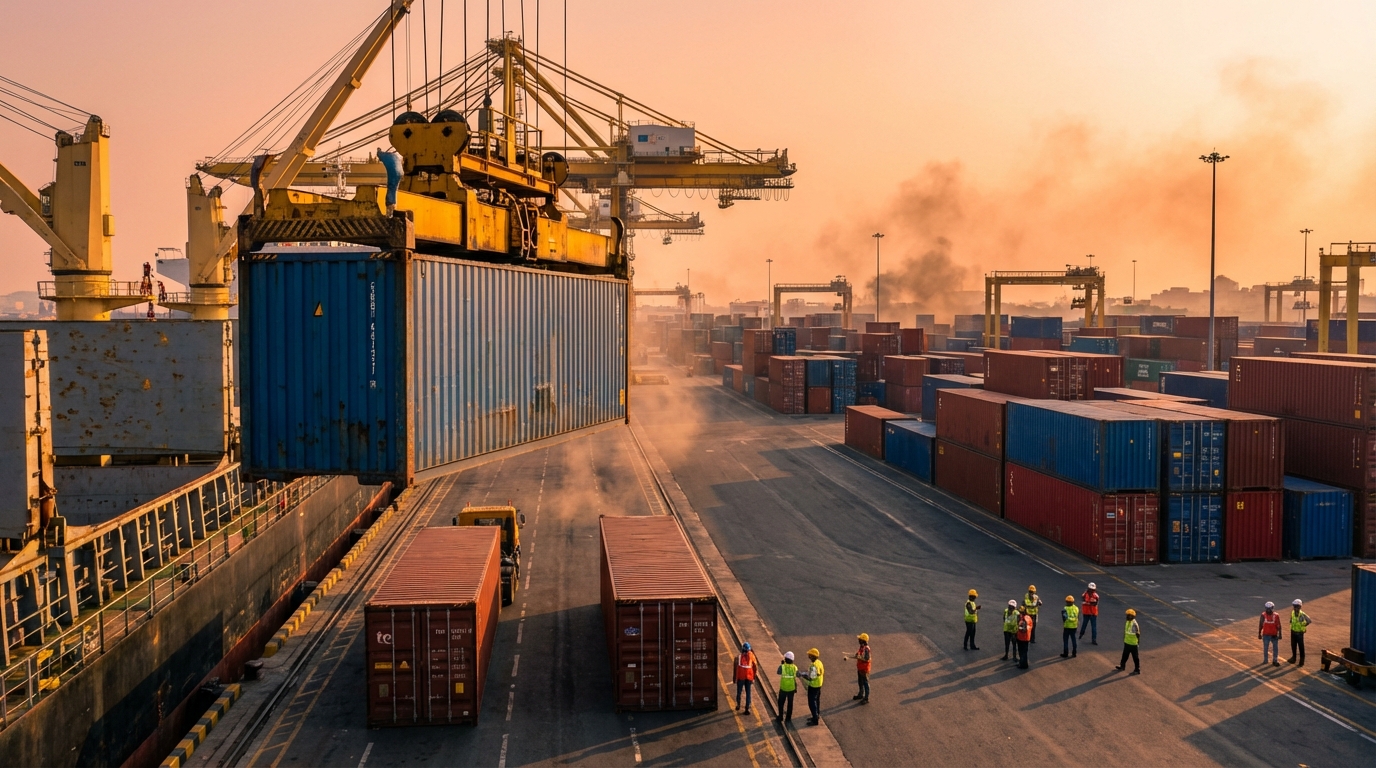
The Four Pillars Supporting Border Security
Modern customs operations rest on interconnected objectives that balance trade facilitation with control:
- Transparency Enforcement: Ensuring all parties accurately represent their transactions prevents fraud and maintains system integrity.
- Revenue Collection: Duties and taxes constitute significant government income streams that fund public services and infrastructure.
- Standards Protection: Border controls prevent substandard, dangerous, or prohibited items from entering domestic markets.
- Supply Chain Security: Post-9/11 frameworks prioritize identifying and interdicting security threats embedded in commercial cargo.
These pillars create the foundation upon which all clearance procedures rest. Understanding them helps you anticipate official concerns and structure your operations accordingly.
The Indian Customs Clearance Landscape: Digital Transformation and Modernization
India's customs infrastructure has undergone revolutionary transformation over the past decade. The introduction of digital platforms, risk-based assessment, and single-window interfaces has dramatically reduced clearance times while enhancing compliance.
ICEGATE: Your Digital Gateway to Customs Services
The Indian Customs Electronic Gateway (ICEGATE) serves as the centralized portal through which traders interact with customs authorities. This platform handles everything from initial filings to final clearance certificates, creating an audit trail for every transaction.
Modern exporters and importers leverage ICEGATE for:
- Electronic Documentation Submission: Digital filings eliminate paper-based delays and errors
- Real-Time Status Tracking: Monitor your shipment's progress through various clearance stages
- Duty Calculation and Payment: Automated systems compute applicable charges with precision
- Communication Management: Receive queries, notifications, and approvals through integrated messaging
The platform integration with other government systems—including tax authorities, export promotion councils, and regulatory agencies—creates seamless information flow that accelerates processing.
Risk Management Systems: Smart Screening Replacing Universal Inspection
Traditional customs models examined every shipment, creating massive bottlenecks. Contemporary approaches employ sophisticated risk algorithms that assess each transaction's threat level.
The Risk Management System (RMS) analyzes multiple parameters:
- Trader History: Established exporters with clean records face minimal scrutiny
- Product Categories: High-risk goods (pharmaceuticals, chemicals, precious metals) receive enhanced attention
- Value Thresholds: Unusually high or low valuations trigger reviews
- Route Analysis: Shipments from or through high-risk jurisdictions warrant additional verification
- Pattern Deviation: Sudden changes in trading patterns raise flags
This intelligent screening allows most legitimate shipments to clear rapidly while concentrating resources on genuine risks.
Export Clearance Protocol: Your Roadmap from Factory to Foreign Shores
Moving goods out of India involves a structured sequence that ensures legal compliance before merchandise leaves national territory. Each stage serves specific verification purposes while maintaining process efficiency.
Stage One: Shipping Bill Registration and Initial Documentation
Your export journey begins with filing a Shipping Bill through ICEGATE. This electronic document serves as your official export declaration, containing comprehensive shipment details.
Critical information captured includes:
- Exporter Identification: Your Import Export Code (IEC) and business registration details
- Product Specifications: Detailed description using standardized Harmonized System (HS) nomenclature
- Quantity and Value Metrics: Precise measurement units and transaction values
- Destination Information: Final delivery location and consignee details
- Supporting Documents: Invoice, packing list, contract agreements, and relevant certificates
Accuracy at this initial stage prevents downstream complications. Even minor discrepancies can cascade into significant delays.
Stage Two: Documentary Verification and Digital Assessment
Once submitted, customs officers review your documentation for completeness and consistency. Automated systems cross-reference submitted data against multiple databases to identify anomalies.
The verification examines:
- Benefit Claims Validation: If claiming duty drawbacks or export incentives, supporting documentation undergoes scrutiny
- Regulatory Certificates: Product-specific requirements (phytosanitary, quality certifications, origin certificates) are confirmed
- Prohibition Checks: Systems verify you're not attempting to export restricted or banned items
- Valuation Reasonableness: Declared values are compared against market benchmarks
For established exporters with strong compliance records, this stage often proceeds automatically without human intervention.
Stage Three: Risk-Based Assessment Determination
The RMS algorithm processes your shipment data and assigns a risk classification that determines subsequent handling:
Green Channel: Low-risk shipments receive immediate clearance without physical examination. This represents the ideal scenario for regular, compliant exporters.
Yellow Channel: Moderate-risk cases undergo documentary scrutiny but typically skip physical inspection unless documentation raises concerns.
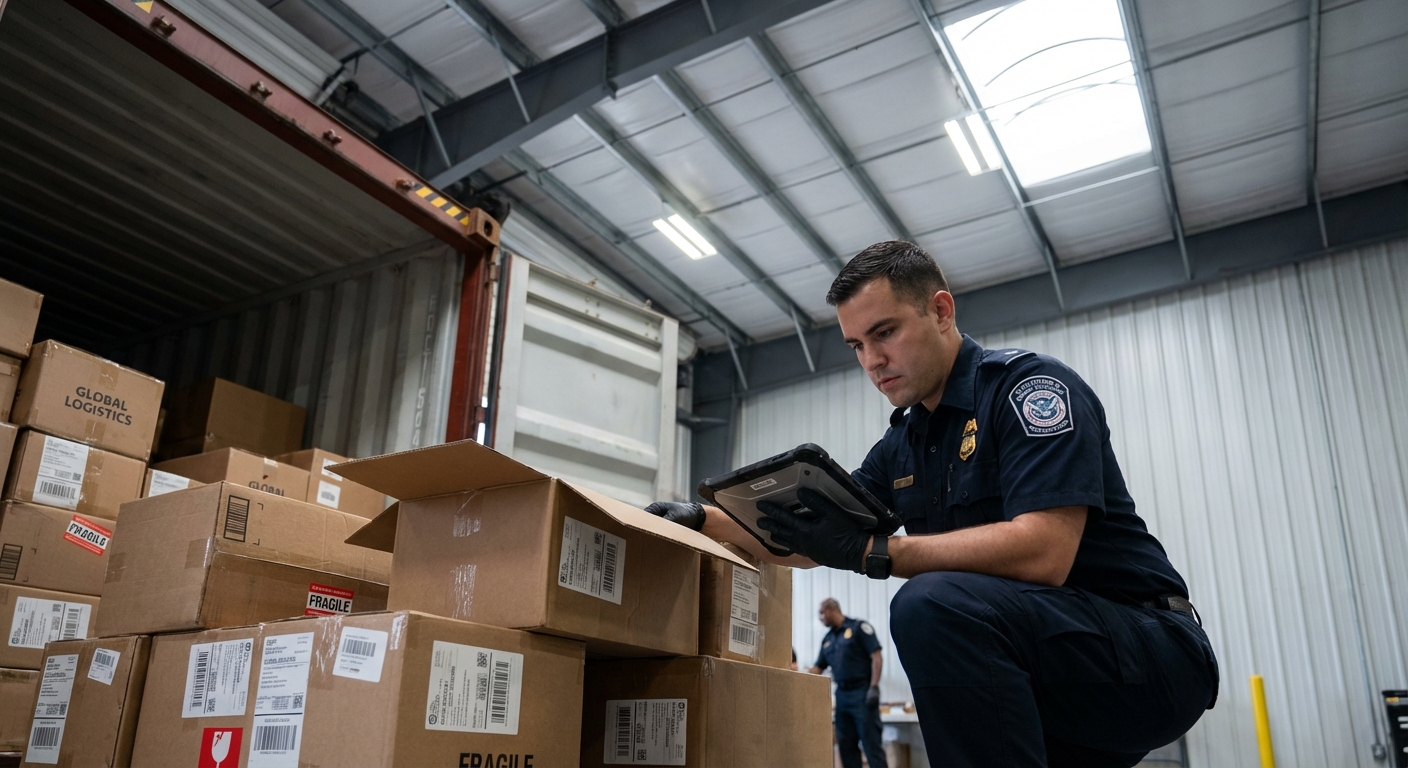
Red Channel: High-risk shipments face comprehensive examination including physical verification of goods against declared specifications.
Your historical compliance record significantly influences channel assignment. Building a reputation for accuracy pays dividends through expedited processing.
Stage Four: Physical Examination (When Selected)
If your shipment enters the red channel, customs officials conduct hands-on inspection at the cargo handling facility. Examiners verify:
- Quantity Accuracy: Actual count or weight matches declared amounts
- Quality Verification: Goods meet described specifications and standards
- Packaging Compliance: Export packaging meets international transport requirements
- Marking Requirements: Country of origin and other mandatory markings are present
This stage can extend clearance timelines by several hours or days depending on cargo complexity and facility congestion.

Stage Five: Compliance Certificate Consolidation
Before final authorization, customs confirms all prerequisite approvals are in place. Depending on product categories, this might include:
- Quality Certifications: BIS standards, laboratory test reports, or third-party certifications
- Export Obligations: For duty-free imports under advance authorization schemes, proof of export obligation fulfillment
- Environmental Clearances: For restricted materials or chemicals
- Security Clearances: For strategic or sensitive technologies
Digital systems automatically retrieve many of these from integrated databases, though some may require manual submission.
Stage Six: Let Export Order (LEO) Issuance
Upon satisfactory completion of all preceding stages, customs issues the Let Export Order—your green light to proceed. This electronic authorization permits:
- Cargo Movement to Port: Physical transportation to the departure terminal
- Loading Onto Vessel: Placement in shipping containers or aircraft
- International Departure: Exit from Indian customs territory
The LEO includes specific conditions and validity periods. Delays in shipping after LEO may require revalidation to ensure circumstances haven't changed.
Import Clearance Mechanics: Bringing Foreign Goods into Indian Territory
The import clearance sequence mirrors exports with additional complexity due to duty assessment and payment obligations. Understanding this flow helps you anticipate costs and timelines.
Phase One: Bill of Entry Filing and Classification
When your imported goods arrive at an Indian port or airport, you (or your customs broker) file a Bill of Entry through ICEGATE. This document serves as your import declaration and duty assessment basis.
Three Bill of Entry variants exist:
- For Home Consumption: Standard imports for immediate domestic use requiring full duty payment
- Warehousing Bill: Goods moving to bonded warehouses for deferred duty payment
- Ex-Bond Bill: Removing previously warehoused goods after duty settlement
Accurate HS code classification proves critical because these 6-8 digit codes determine applicable duty rates. Misclassification—even if unintentional—can result in underpayment penalties or unnecessarily high duty burdens.
Phase Two: Assessment and Valuation Determination
Customs officers assess your Bill of Entry to determine:
Classification Confirmation: Verifying your declared HS code correctly represents the imported product. Ambiguous items may require sampling and laboratory testing.
Valuation Scrutiny: Ensuring declared transaction values reflect true market prices. The Customs Valuation Rules provide methodologies for various scenarios, with transaction value serving as the primary basis.
Origin Verification: Confirming product origin, which affects preferential duty eligibility under Free Trade Agreements. Certificates of Origin require validation.
Exemption Applicability: Determining whether your import qualifies for reduced rates under notification exemptions, project imports, or other special schemes.
This assessment generates your duty liability calculation, breaking down basic customs duty, integrated GST, compensation cess, and any anti-dumping duties.
Phase Three: Duty Computation and Payment Processing
With assessment complete, the system generates your duty demand. Modern processes allow multiple payment methods:
- Electronic Payment: Direct online transfer through ICEGATE integration with banking systems
- Duty Credit Scrips: Using export incentive certificates to offset import duties
- Advance Deposits: Drawing against previously established customs deposits
- Bank Guarantees: For deferred payment in specific circumstances
Payment confirmation triggers the next clearance stage. Any payment discrepancies halt the process until resolved.
Phase Four: Selective Examination Protocol
Similar to exports, RMS assigns your import shipment to appropriate channels. The assessment criteria consider:
- Importer Track Record: First-time importers face higher examination probability
- Product Sensitivity: Electronics, garments, and machinery often receive enhanced scrutiny
- Value Anomalies: Significantly undervalued declarations trigger physical verification
- Regulatory Requirements: Products subject to safety standards undergo compliance checks
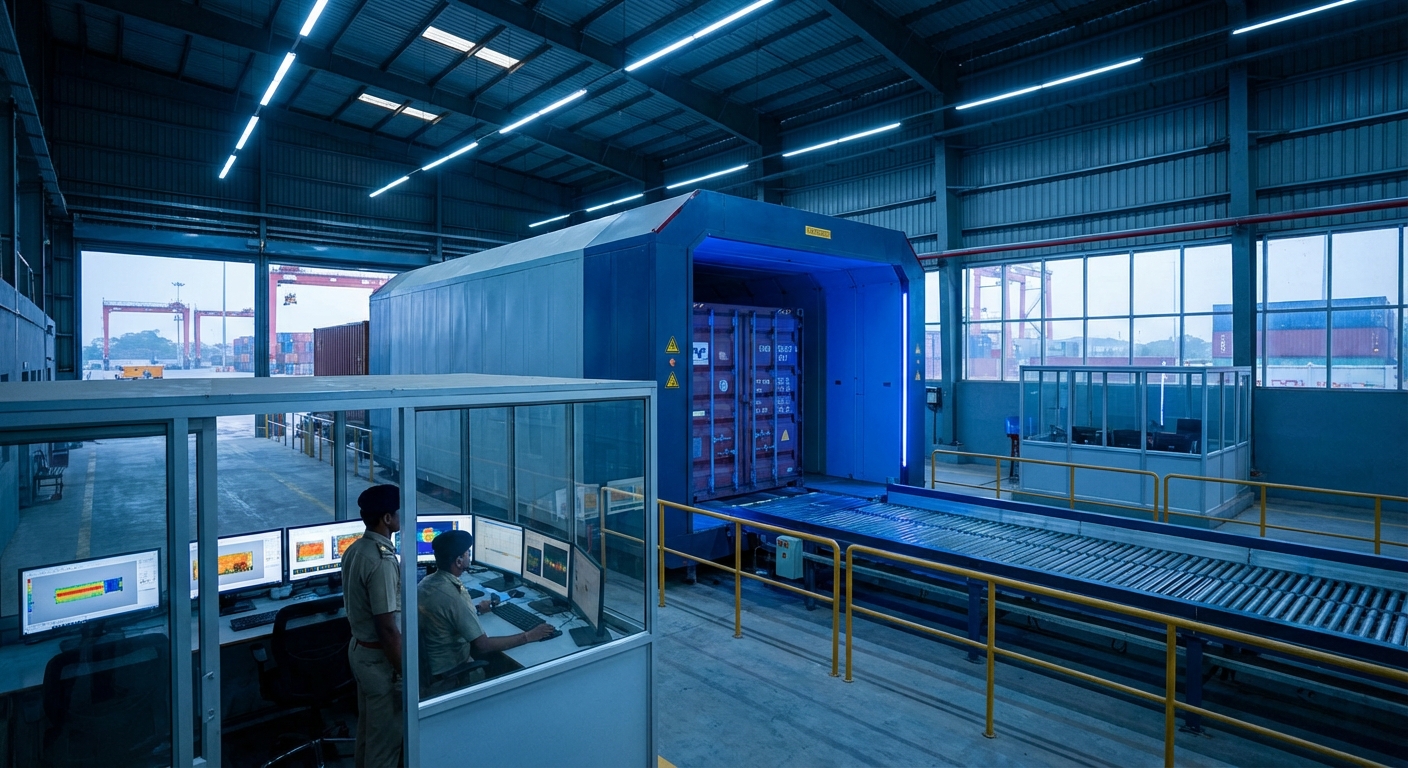
Red channel selections result in examination by customs officers who verify physical goods match declared specifications. This includes count verification, quality assessment, and standards compliance.
Phase Five: Document and Certification Validation
Before final clearance, authorities confirm regulatory compliance documents are authentic and applicable:
- Standards Certificates: BIS registrations for electronics and specified products
- Phytosanitary Certificates: For agricultural products and wood packaging materials
- Testing Reports: Laboratory analysis for chemicals, food products, or pharmaceuticals
- License Verifications: For restricted imports requiring DGFT or other agency permissions
Integrated systems automatically retrieve many certifications, but recent regulatory changes sometimes require manual intervention.
Phase Six: Out of Charge (OOC) and Cargo Release
The culmination of import clearance arrives with the Out of Charge order—your authorization to take delivery. This electronic approval permits:
- Container Gate Pass: Releasing your cargo from port or airport custody
- Transportation Clearance: Moving goods to your warehouse or facility
- Inventory Integration: Adding imports to your domestic stock
Some cargo facilities require additional internal documentation before physical release, so factor terminal-specific procedures into your timeline planning.
Key Players in the Clearance Ecosystem: Who Does What?
Customs clearance involves multiple actors, each performing specialized functions. Understanding these roles helps you build effective operational teams.
Government Customs Officers: The Regulatory Authority
Customs commissioners and officers employed by the Central Board of Indirect Taxes and Customs (CBIC) represent government interests. Their responsibilities include:
- Policy Implementation: Enforcing customs laws, regulations, and international treaties
- Revenue Collection: Ensuring accurate duty assessment and payment
- Risk Management: Identifying and interdicting prohibited or suspicious shipments
- Trade Facilitation: Balancing control requirements with legitimate commerce needs
Officers possess significant discretionary authority, particularly regarding classification disputes, valuation disagreements, and examination decisions.
Customs House Agents: Your Professional Representatives
Licensed Customs House Agents (CHAs)—also called Customs Brokers—serve as intermediaries between traders and customs authorities. Their expertise includes:
- Documentation Preparation: Accurately completing Shipping Bills and Bills of Entry with proper classification
- Regulatory Navigation: Understanding complex rules and identifying applicable exemptions or benefits
- Physical Coordination: Managing cargo movement, examination attendance, and delivery arrangements
- Problem Resolution: Addressing queries, discrepancies, or objections raised during clearance
Established CHAs maintain relationships with customs officials and terminal operators that can smooth operational friction. However, ultimate legal responsibility remains with the importer or exporter.
Self-Filing Traders: Direct Engagement Option
Regulations permit qualified traders to handle clearance directly without CHA intermediation. This approach offers:
Cost Savings: Eliminating broker fees reduces per-shipment expenses, significant for high-volume operations.
Direct Control: Immediate access to clearance status without communication delays through intermediaries.
Knowledge Development: Building internal expertise that becomes a strategic asset.
However, self-filing demands substantial investment in:
- Technical Infrastructure: ICEGATE access, digital signature certificates, and software systems
- Regulatory Expertise: Continuous learning to track rule changes and maintain compliance
- Personnel Training: Dedicated staff with specialized knowledge
- Time Commitment: Managing clearance alongside other business functions
Most small and medium enterprises find engaging experienced CHAs more cost-effective than building internal capability.
The Strategic Importance of Clearance Mastery: Beyond Mere Compliance
Viewing customs clearance merely as a regulatory hurdle misses its broader business implications. Sophisticated traders leverage clearance expertise as a competitive advantage.
Operational Velocity: Time Equals Money in Global Supply Chains
Modern logistics operates on razor-thin margins where delays cascade exponentially. Consider the impact:
Customer Satisfaction: Delayed imports disrupt production schedules or retail inventory, damaging buyer relationships.
Working Capital Efficiency: Goods stuck in customs tie up capital that could be deployed elsewhere.
Perishable Products: Food items, fashion merchandise, or time-sensitive technologies lose value daily.
Companies that consistently achieve rapid clearance—through accurate documentation, compliance history, and authorized economic operator status—gain reliability advantages that translate to preferred supplier status.
Financial Optimization: Strategic Duty Management
Customs duties often constitute significant cost components, particularly for manufacturers relying on imported inputs. Clearance expertise enables:
FTA Utilization: Properly leveraging Free Trade Agreements can reduce duty rates from 10-20% to zero, dramatically improving margins.
Scheme Benefits: India offers numerous export promotion schemes providing duty refunds, exemptions, or credits. Clearance knowledge ensures you capture available benefits.
Classification Optimization: Products sometimes fit multiple HS codes with different duty rates. Defensible classification at the lower rate represents legitimate tax planning.
Advance Rulings: For ambiguous situations, seeking advance rulings provides certainty and protects against future disputes.
Risk Mitigation: Protecting Against Legal and Financial Exposure
Customs violations carry severe consequences beyond immediate penalties:
Monetary Penalties: Deliberate misrepresentation can result in penalties up to five times the duty amount involved.
Criminal Prosecution: Serious violations may lead to imprisonment for responsible individuals.
Reputation Damage: Being flagged as a non-compliant trader triggers enhanced scrutiny across all future transactions.
License Suspension: Import Export Code cancellation ends your ability to engage in international trade.
Building robust compliance systems—even if they require upfront investment—provides insurance against potentially catastrophic outcomes.
Market Intelligence: Learning from Border Data
Your clearance experiences generate valuable intelligence about:
Regulatory Trends: Pattern recognition in examination priorities reveals enforcement focus areas.
Competitive Intelligence: Import data (publicly available in many jurisdictions) exposes competitor sourcing strategies.
Market Opportunities: Identifying imported products with high duties suggests domestic manufacturing opportunities.
Supply Chain Vulnerabilities: Repeated clearance issues with particular countries or products signal diversification needs.
Companies that systematically analyze their clearance data gain insights unavailable through conventional market research.
Common Clearance Challenges and Strategic Solutions
Even experienced traders encounter obstacles during the customs clearance process. Understanding these common challenges and their solutions helps you prepare for and overcome potential issues efficiently.
By investing time in understanding customs procedures, maintaining accurate documentation, and building strong compliance records, businesses can transform customs clearance from a potential bottleneck into a streamlined component of their international trade operations.
The key to success lies in treating customs compliance not as a burden but as an integral part of your business strategy—one that, when mastered, provides significant competitive advantages in the global marketplace.