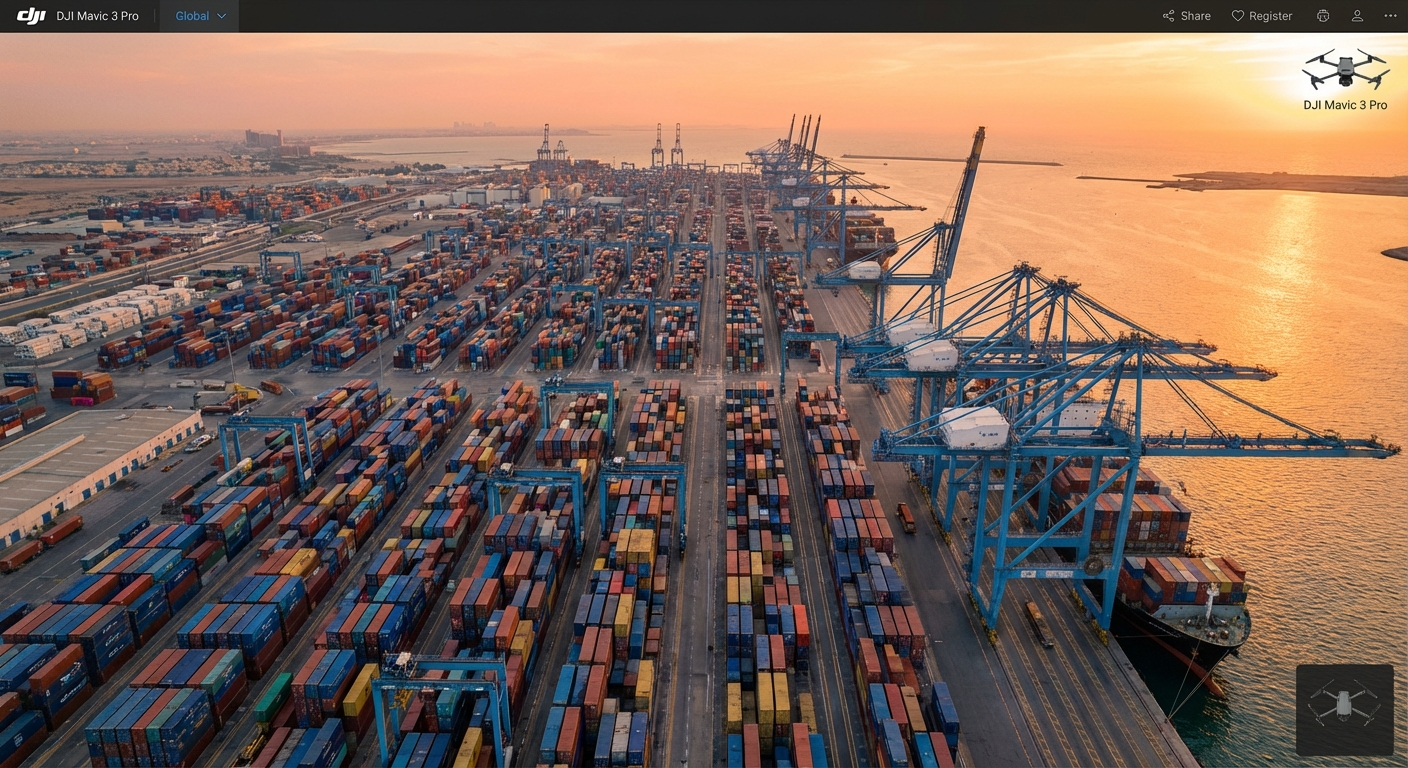
The Strategic Gateway to Gulf Prosperity: Understanding India-Oman Economic Relations
The Arabian Sea has connected Indian merchants with Omani traders for millennia, creating commercial pathways that predate modern shipping routes. Today, this historical bond transforms into a contemporary economic alliance through the Comprehensive Economic Partnership Agreement (CEPA) between New Delhi and Muscat—a landmark trade framework that promises to reshape export dynamics for Indian enterprises.
Oman occupies a uniquely valuable position in global trade geography. Positioned at the mouth of the Persian Gulf, controlling access to the Strait of Hormuz through which approximately 21% of global petroleum passes, this sultanate serves as India's commercial bridge to Gulf Cooperation Council nations, East African markets, and European trading partners. Beyond geography, Oman represents a sophisticated economy with diversification ambitions, substantial purchasing power, and an established Indian community exceeding 700,000 people who strengthen bilateral business networks.
The economic fundamentals underpinning this partnership deserve attention. Bilateral merchandise trade between the two nations exceeded $10 billion in recent years, with significant room for expansion across multiple product categories. Oman's Vision 2040 development blueprint emphasizes economic diversification away from hydrocarbon dependence, creating demand precisely where Indian manufacturing excellence concentrates.
Here's the competitive advantage Indian exporters must understand: Major Asian manufacturing powerhouses including China and Turkey have not secured comparable preferential trade frameworks with Muscat. This absence creates a temporary but significant window where Indian businesses can establish market dominance before competitors negotiate similar concessions.
This comprehensive analysis identifies exactly which Indian export sectors stand to gain maximum advantage, the specific mechanisms driving these benefits, and actionable strategies for businesses ready to capitalize on this Gulf opportunity.

Understanding CEPA's Framework: Beyond Simple Tariff Reduction
Trade agreements function as complex economic instruments, and the India-Oman CEPA extends far beyond basic customs duty elimination. This partnership incorporates several dimensions that Indian exporters should comprehend:
Tariff Liberalization Architecture: The agreement progressively reduces or eliminates import duties on thousands of product categories over defined timelines. For many Indian goods, tariffs drop to zero immediately upon implementation, while others follow staged reduction schedules spanning 3-7 years. This phased approach allows Omani industries to adjust while giving Indian exporters predictable planning horizons.
Rules of Origin Protocols: Preferential tariffs apply only to genuinely Indian-manufactured products meeting specific value-addition thresholds. Understanding these origin criteria becomes crucial—typically requiring 35-40% domestic value addition depending on product classification. Indian manufacturers using imported components must calculate carefully to ensure qualification.
Non-Tariff Measure Harmonization: Perhaps equally valuable as duty reduction, CEPA addresses regulatory barriers including standards recognition, customs procedures streamlining, and certification mutual acceptance. These provisions reduce the "hidden costs" of cross-border trade that often exceed tariff expenses.
Services Trade Liberalization: Beyond goods, the agreement opens market access for Indian service providers in sectors including information technology, professional services, construction, healthcare, and education—creating opportunities for service exporters alongside product manufacturers.
The strategic timing matters significantly. As global supply chains reconfigure following pandemic disruptions and geopolitical realignments, countries worldwide seek reliable trading partners offering manufacturing depth, quality consistency, and delivery reliability—areas where Indian industry increasingly competes effectively.
Sector Analysis: Eight Indian Industries Poised for Exponential Growth
1. Textile and Fashion Industries: The Primary Beneficiary
India's textile sector emerges as the single largest winner from this trade framework, and multiple factors converge to create this advantage.
Oman's domestic textile consumption patterns reveal substantial import dependence across ready-made garments, home furnishings, technical textiles, and fashion accessories. The Omani retail landscape features modern shopping complexes with sophisticated consumer preferences spanning traditional ethnic wear for the expatriate community and contemporary fashion for younger demographics.
Specific Opportunities Within Textiles:
- Apparel Manufacturing: Complete tariff elimination on cotton garments, synthetic clothing, and blended fabric products allows Indian manufacturers to undercut Chinese competitors who face standard MFN (Most Favored Nation) duty rates of 5-15%. Indian production costs already compete favorably; zero-duty access amplifies this advantage decisively.
- Home Textiles Dominance: Products including bed linens, curtains, towels, and decorative fabrics see immediate duty-free entry. Given Oman's construction boom and hospitality sector expansion, commercial procurement opportunities expand alongside retail demand.
- Technical Textiles Growth: Industrial applications from automotive interiors to medical textiles to construction geotextiles represent high-value segments where Indian technical expertise meets Omani infrastructure development needs.
- Ethnic and Cultural Products: The substantial South Asian diaspora creates consistent demand for traditional textiles including saris, salwar suits, sherwanis, and ethnic accessories—products where Indian manufacturers hold uncontested expertise.
Implementation Strategy for Textile Exporters: Success requires moving beyond generic bulk exports toward customized products matching Omani preferences. Establishing local distribution partnerships, participating in Muscat trade exhibitions, and developing modest inventory holdings in Omani free zones can accelerate market penetration.

2. Engineering Products and Industrial Components: Infrastructure Development Catalyst
Oman's economic transformation agenda involves massive infrastructure development—ports modernization, industrial zone construction, renewable energy installations, and transportation network expansion. These projects consume engineering products where Indian manufacturers demonstrate growing sophistication.
High-Potential Engineering Categories:
- Capital Equipment: Machinery for manufacturing plants, material handling systems, processing equipment, and production line components gain duty advantages that make Indian suppliers competitive against European and East Asian alternatives.
- Automotive Components: Oman's vehicle market relies entirely on imports, creating aftermarket demand for replacement parts, accessories, and maintenance components. Indian auto component manufacturers recognized globally for quality and value pricing can establish strong dealer networks.
- Electrical and Electronics: Switchgear, transformers, cables, electrical fittings, and control systems required for construction and industrial operations represent consistent demand categories.
- Pumps, Valves, and Fluid Systems: Given Oman's water infrastructure investments including desalination expansion and irrigation projects, hydraulic equipment manufacturers find ready applications.
Market Entry Considerations: Engineering products often require technical certifications, after-sales service infrastructure, and warranty support. Indian exporters should consider partnership models with established Omani engineering distributors who provide local service capabilities while Indian principals maintain quality control and inventory management.
3. Pharmaceutical and Healthcare Products: Meeting Critical Import Needs
Healthcare systems in Gulf nations depend overwhelmingly on pharmaceutical imports, with domestic manufacturing representing minimal percentages of consumption. Oman's healthcare sector expansion, driven by population growth and advancing medical capabilities, creates sustained demand growth.
Indian pharmaceutical manufacturers enjoy global recognition for producing quality generic medications, biosimilars, medical devices, and healthcare consumables at competitive pricing—a value proposition perfectly aligned with Oman's healthcare procurement priorities.
Pharmaceutical Export Opportunities:
- Generic Medications: Duty elimination on finished pharmaceutical formulations allows Indian manufacturers to compete aggressively against European innovators and generic producers from other regions.
- Medical Devices and Consumables: Diagnostic equipment, surgical instruments, hospital furniture, disposable medical supplies, and patient care devices represent substantial import categories where Indian manufacturers demonstrate competence.
- Nutraceuticals and Wellness Products: Growing health consciousness creates demand for dietary supplements, ayurvedic formulations, and wellness products where Indian companies combine traditional knowledge with modern manufacturing standards.
- Pharmaceutical Ingredients: Active pharmaceutical ingredients (APIs) and excipients used by pharmaceutical companies within Gulf markets offer B2B export potential.
Regulatory Navigation: Pharmaceutical exports require rigorous documentation including WHO-GMP certifications, product registrations with Oman's Ministry of Health, and batch-specific quality certificates. Experienced regulatory consultants specializing in Gulf pharmaceutical registrations become invaluable partners for exporters entering this sector.
4. Chemical Products and Polymers: Industrial Input Demand
Oman's diversification strategy includes downstream petrochemical development, plastics manufacturing, and chemical-dependent industries from construction materials to packaging. Despite domestic hydrocarbon resources, Oman imports numerous specialized chemicals, formulated products, and processed polymers.
Chemical Sector Opportunities:
- Specialty Chemicals: Formulated products including coatings, adhesives, construction chemicals, water treatment chemicals, and industrial cleaning agents represent value-added categories where Indian chemical companies compete effectively.
- Plastic and Polymer Products: Finished or semi-finished plastics including films, sheets, pipes, containers, and packaging materials benefit from duty advantages.
- Agricultural Chemicals: Fertilizers, crop protection products, and agricultural inputs support Oman's food security initiatives promoting domestic agriculture despite challenging climatic conditions.
- Cosmetic and Personal Care Ingredients: Raw materials and formulated products for personal care manufacturing find applications in Oman's consumer goods sector.
Competitive Positioning: Chemical exports require careful attention to hazardous materials regulations, transportation compliance, and technical data sheet accuracy. Indian exporters should emphasize technical support capabilities, consistent quality specifications, and reliable supply continuity—factors often valued above marginal price differences in industrial chemical procurement.

5. Food Products and Agricultural Commodities: Serving Consumption Patterns
Oman's desert geography limits agricultural production, making the nation substantially dependent on food imports to feed its population and substantial expatriate workforce. Indian agricultural diversity and food processing capabilities align perfectly with this import dependence.
Food Export Categories:
- Staple Grains and Pulses: Rice varieties (basmati and non-basmati), wheat products, lentils, and pulses that form dietary staples for South Asian communities and increasingly feature in Omani cuisine diversity.
- Processed and Packaged Foods: Ready-to-eat meals, snack foods, confectionery, beverages, and packaged convenience foods targeting both retail and food service channels.
- Fresh and Processed Fruits: Mangoes, grapes, pomegranates, and processed fruit products including juices, concentrates, and preserved fruits.
- Spices and Condiments: India's spice heritage creates unmatched expertise in products central to Gulf culinary traditions including cardamom, cloves, turmeric, and custom spice blends.
- Marine Products: Frozen seafood, processed fish products, and marine ingredients leverage India's extensive coastline and developed fishing industry.
Quality and Certification Requirements: Food exports demand strict adherence to food safety standards, halal certification for Muslim-majority markets, proper cold chain management for perishables, and accurate labeling meeting Omani regulatory requirements. Investment in these quality infrastructure elements separates successful food exporters from occasional shippers.
6. Gems, Jewelry, and Precious Products: Luxury Market Access
Gulf nations represent major global markets for gold, jewelry, and precious stones, driven by cultural preferences, gifting traditions, and investment behavior favoring physical gold. Oman's jewelry market, while smaller than Dubai or Riyadh, demonstrates sophisticated consumer preferences and substantial purchasing power.
Jewelry Sector Opportunities:
- Gold Jewelry Manufacturing: Indian craftsmanship in gold jewelry design and manufacture enjoys international recognition. Duty advantages on finished jewelry make Indian designs more competitive against local manufacturers and imports from traditional suppliers.
- Diamond and Gemstone Products: Cut and polished diamonds, colored gemstones, and finished gemstone jewelry benefit from preferential access.
- Silver and Fashion Jewelry: Broader market segments including silver jewelry, costume jewelry, and fashion accessories offer volume potential beyond luxury categories.
Market Strategy Considerations: Jewelry markets require showroom presence, brand development, and relationship cultivation with established retailers. Indian exporters might consider consignment arrangements, joint venture retail concepts, or exclusive distribution partnerships to penetrate this premium segment effectively.
7. Leather Goods and Footwear: Manufacturing Excellence Advantage
India's leather industry combines traditional tanning expertise with modern manufacturing capabilities, producing everything from industrial leather to fashion footwear. Oman imports virtually all leather products, creating straightforward market access opportunities.
Leather Export Potential:
- Footwear Categories: Formal shoes, casual footwear, sports shoes, sandals, and specialized footwear for various applications all find consumer and commercial demand.
- Leather Goods: Bags, belts, wallets, travel accessories, and leather garments represent fashion and functional categories where Indian manufacturers compete on design and value.
- Industrial Leather Products: Upholstery leather, automotive leather, and technical leather applications serve commercial and industrial customers.
Sustainability Positioning: Growing environmental consciousness creates opportunities for Indian leather manufacturers who adopt eco-friendly tanning processes, sustainable sourcing, and environmental certifications to differentiate against conventional competitors.
8. Automotive Products: Vehicle and Component Opportunities
Oman's vehicle market demonstrates steady growth driven by population increase, tourism development, and commercial transportation expansion. While vehicles themselves face complex tariff structures, automotive components and accessories gain significant advantages.
Automotive Sector Opportunities:
- Aftermarket Components: Replacement parts, maintenance components, and accessories for vehicles across passenger, commercial, and specialty categories.
- Two and Three-Wheeler Vehicles: India's leadership in economical personal transportation finds applications in Oman's expanding delivery services, last-mile connectivity, and budget-conscious consumer segments.
- Commercial Vehicle Components: Trucks, buses, and specialized commercial vehicles require consistent component replacement and upgrade cycles.
- Automotive Accessories: From entertainment systems to safety equipment to vehicle customization products, accessories represent value-added categories beyond basic components.
Distribution Infrastructure: Automotive products require established dealer networks, parts inventory systems, and technical support capabilities—factors favoring partnership approaches over direct export models for market entry.

Comparative Advantage Analysis: Why Indian Exporters Win
Understanding why Indian businesses gain disproportionate advantage from this agreement helps formulate effective market strategies.
First-Mover Preferential Access: With China and Turkey lacking comparable frameworks, Indian exporters enjoy a temporary monopoly on preferential treatment. This window—likely lasting 2-5 years before competitors negotiate similar deals—represents the critical opportunity period for establishing market positions that become defensible through brand recognition, distribution relationships, and customer loyalty.
Cultural and Demographic Connections: The substantial Indian diaspora creates familiarity with Indian products, established distribution networks serving ethnic communities, and cultural affinity that reduces market entry barriers compared to completely foreign suppliers.
Manufacturing Cost Competitiveness: Indian production costs in labor-intensive industries remain favorable compared to developed economies while quality standards increasingly match international benchmarks—a combination that tariff advantages amplify significantly.
Supply Chain Reliability: Recent years have elevated supply chain security as a procurement priority. India's geographic proximity, political stability, and democratic governance create reliability perceptions that commercial buyers increasingly value.
Product Customization Capabilities: Indian manufacturers across sectors demonstrate flexibility in product customization, order quantity accommodation, and specification adaptation that larger, more rigid manufacturing economies often cannot match—advantages particularly valuable in medium-sized markets like Oman.
Implementation Roadmap: Converting Agreement Benefits Into Business Results
Understanding opportunities means little without execution capabilities. Indian businesses seeking Oman market success should consider this systematic approach:
Phase 1: Market Intelligence and Qualification (Months 1-3)
- Commission detailed market research identifying specific product demand, competitive dynamics, pricing structures, and regulatory requirements within your product category
- Verify your products qualify under CEPA rules of origin through documentation review with customs experts
- Identify potential distribution partners, importers, or joint venture candidates through trade promotion organizations, industry associations, and commercial intelligence services
- Calculate realistic landed costs incorporating logistics, insurance, distribution margins, and working capital requirements
Phase 2: Regulatory Compliance and Documentation (Months 2-4)
- Obtain necessary product certifications, testing compliance, and regulatory approvals required for your category
- Establish relationships with freight forwarders experienced in India-Oman trade lanes who understand CEPA documentation requirements
- Develop compliant labeling, packaging, and product information materials meeting Omani market standards
- Secure appropriate halal certifications if applicable to your product category
Phase 3: Market Entry and Partnership Development (Months 4-8)
- Participate in relevant trade exhibitions in Muscat or organize focused business missions to meet potential partners
- Evaluate distribution partnership options including exclusive distributors, multiple channel partners, or direct presence through Oman free zone establishments
- Develop market-appropriate marketing collateral, product samples, and sales support materials
- Negotiate partnership terms that align incentives while protecting your interests through clear performance expectations
Phase 4: Initial Shipment and Market Testing (Months 6-12)
- Execute conservative initial orders that test logistics processes, documentation requirements, and market reception without excessive financial exposure
- Monitor closely for customer feedback, quality issues, competitive responses, and distribution partner performance
- Refine products, packaging, pricing, or positioning based on initial market learning
- Develop case studies and success stories that support expanded distribution and customer acquisition
Phase 5: Scaling and Market Expansion (Year 2+)
- Expand distribution coverage geographically and across customer segments based on demonstrated success patterns
- Consider value-added services including inventory holdings, technical support, or customization capabilities that deepen customer relationships
- Explore adjacent product categories that leverage established distribution relationships and brand recognition
- Develop direct customer relationships that reduce channel dependence while respecting distributor partnerships
Risk Factors and Mitigation Strategies
Prudent business planning requires acknowledging potential challenges alongside opportunities:
Payment and Credit Risk: International trade inherently involves payment uncertainties. Mitigation approaches include letter of credit utilization, export credit insurance through ECGC (Export Credit Guarantee Corporation), or factoring arrangements that convert receivables to immediate cash flow.
Regulatory Changes: Trade agreements can face renegotiation, implementation delays, or unilateral modifications. Maintaining flexibility across multiple markets and avoiding excessive dependence on any single agreement provides strategic resilience.
Currency Fluctuations: Exchange rate movements between the Indian Rupee and Omani Rial can impact profitability. Forward contracts, natural hedging through local cost structures, or pricing mechanisms that share currency risk with buyers help manage this exposure.
Competition Response: Success attracts competition. Building sustainable advantages through quality reputation, service excellence, and deep customer relationships creates defensibility beyond temporary tariff advantages.
The India-Oman CEPA represents a strategic opportunity that rewards prepared, committed exporters willing to invest in market development. The preferential access window will not remain open indefinitely—businesses that act decisively during this period position themselves for lasting Gulf market success.