Introduction: Beyond the Desert—Rajasthan's Industrial Renaissance
When global traders think of India's sourcing landscape, metropolitan hubs like Mumbai, Delhi, or Bangalore typically dominate conversations. Yet, spanning over 342,000 square kilometers across northwestern India lies an economic powerhouse that many international buyers have yet to fully explore—Rajasthan.
This vast territorial expanse, covering roughly 10.4% of India's total geography, presents a compelling narrative that extends far beyond its world-famous palaces, desert safaris, and vibrant festivals. Today's Rajasthan represents a sophisticated manufacturing ecosystem, a mineral treasure trove, and an increasingly vital node in India's global export network.
For procurement specialists, sourcing managers, and international trade professionals seeking competitive advantages in 2026 and beyond, understanding Rajasthan's industrial architecture has become increasingly essential. The state's unique combination of traditional craftsmanship, natural resource abundance, and modern industrial infrastructure creates distinctive sourcing opportunities unavailable elsewhere in the Indian subcontinent.
This comprehensive handbook examines Rajasthan through the lens of practical business application—identifying specific product categories, understanding regional manufacturing clusters, evaluating export readiness, and connecting international buyers with ground-level opportunities that transform sourcing strategies.
Whether you're a seasoned import-export professional or an entrepreneur exploring new supply chain alternatives, this guide provides actionable intelligence on leveraging Rajasthan's economic strengths for your business objectives.
Rajasthan's Economic Footprint: Statistical Snapshot
Before diving into specific product categories, establishing Rajasthan's economic scale provides essential context for understanding its trade significance.
GDP and Economic Contribution
Rajasthan's gross state domestic product positions it among India's top ten state economies, with consistent growth trajectories averaging 7-8% annually over the past decade. The state's economic composition reflects remarkable diversity:
- Primary Sector (Agriculture & Mining): Approximately 25% of state GDP
- Secondary Sector (Manufacturing & Construction): Roughly 28% of state GDP
- Tertiary Sector (Services): About 47% of state GDP
This balanced economic structure—unlike states overly dependent on single sectors—provides resilience and multiple entry points for international business relationships.
Export Performance Indicators
Rajasthan's annual export value consistently exceeds $8 billion USD, with upward momentum driven by both traditional handicraft sectors and emerging technology-based industries. The state's export basket demonstrates impressive diversification across:
- Mineral and processed stone products
- Textile and apparel goods
- Gems, jewelry, and precious metals
- Engineering components and auto parts
- Agricultural commodities and processed foods
- Renewable energy equipment
For context, Rajasthan ranks among India's top six export-performing states—a remarkable achievement considering it lacks direct coastal access and relies entirely on inland container depots and neighboring state ports.
The Mineral Advantage: Natural Resources as Competitive Edge
Rajasthan's geological composition creates unparalleled advantages in specific mineral categories, making the state India's undisputed leader in several mining sectors.
Dimension Stone Dominance
Marble Production and Processing
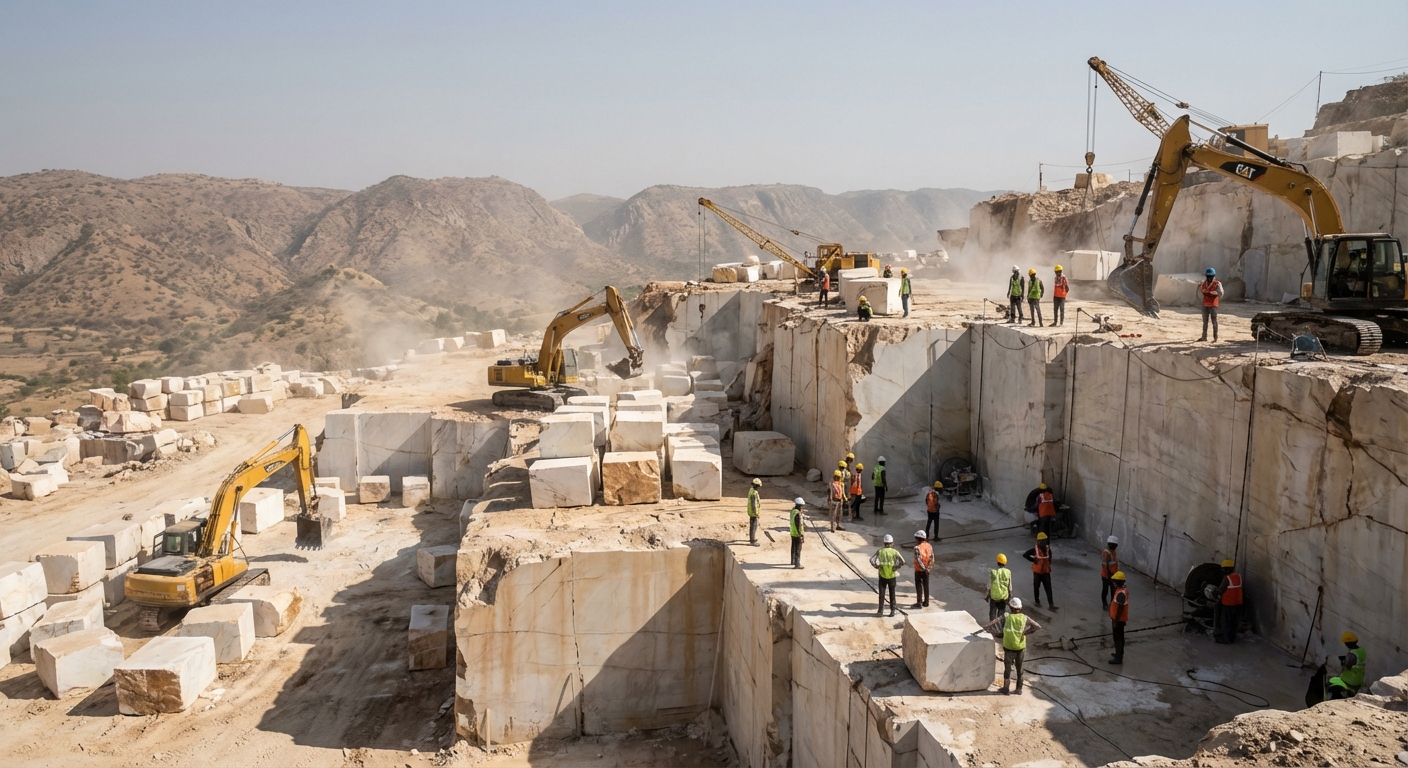
Rajasthan accounts for approximately 95% of India's total marble production—a staggering monopoly that positions the state as a global marble powerhouse. The Makrana region alone produces some of the world's finest white marble, historically used in constructing the Taj Mahal and currently exported to over 60 countries.
Modern marble processing units equipped with Italian wire-saw technology, gang-saw facilities, and advanced polishing equipment can deliver:
- Customized dimension requirements
- Multiple finish options (polished, honed, brushed, tumbled)
- Container-ready packaging
- Quality certifications meeting international standards
For international buyers in construction, interior design, and monument restoration, Rajasthan's marble ecosystem offers quality-to-price ratios difficult to match globally.
Sandstone Varieties
The state produces over 90% of India's sandstone output, with distinctive color variations including:
- Pink sandstone (Dholpur and Karauli districts)
- Rainbow sandstone (Jodhpur region)
- Yellow sandstone (Jaisalmer area)
- Red sandstone (Bharatpur zones)
These natural color variations—created through differing mineral compositions—provide architects and designers with aesthetic options while maintaining consistent physical properties ideal for exterior cladding, landscaping, and decorative applications.
Metallic Minerals: Industrial Raw Materials
Zinc and Lead Concentrates
Rajasthan hosts India's largest zinc-lead reserves, with the Zawar mines representing one of the world's oldest continuously operated mining sites. Modern extraction and beneficiation facilities produce:
- Zinc concentrates (55-60% zinc content)
- Lead concentrates (65-70% lead content)
- Refined zinc (99.95% purity)
These materials serve as critical inputs for galvanizing industries, battery manufacturing, and alloy production globally.
Copper Resources
The Khetri copper belt contains substantial copper ore deposits, processed through smelting facilities that produce electrolytic copper cathodes meeting international purity standards. For buyers in electrical manufacturing, construction materials, and industrial applications, Rajasthan's copper supply chain offers reliable sourcing alternatives.
Non-Metallic Industrial Minerals
Gypsum Deposits
With over 80% of India's gypsum reserves, Rajasthan serves as the primary source material for:
- Plaster of Paris manufacturing
- Cement production additives
- Agricultural soil amendments
- Industrial applications
Limestone and Cement-Grade Materials
Extensive limestone deposits support both domestic cement production and export of raw limestone for international cement manufacturers, chemical industries, and metallurgical applications.
Textile and Fabric Heritage: From Artisan Tradition to Export Excellence
Rajasthan's textile sector represents a fascinating convergence of centuries-old craft techniques and contemporary manufacturing capabilities—creating product offerings that satisfy both premium artisan markets and volume commercial requirements.
Traditional Block Printing and Hand-Dyeing
Sanganer and Bagru Printing Clusters
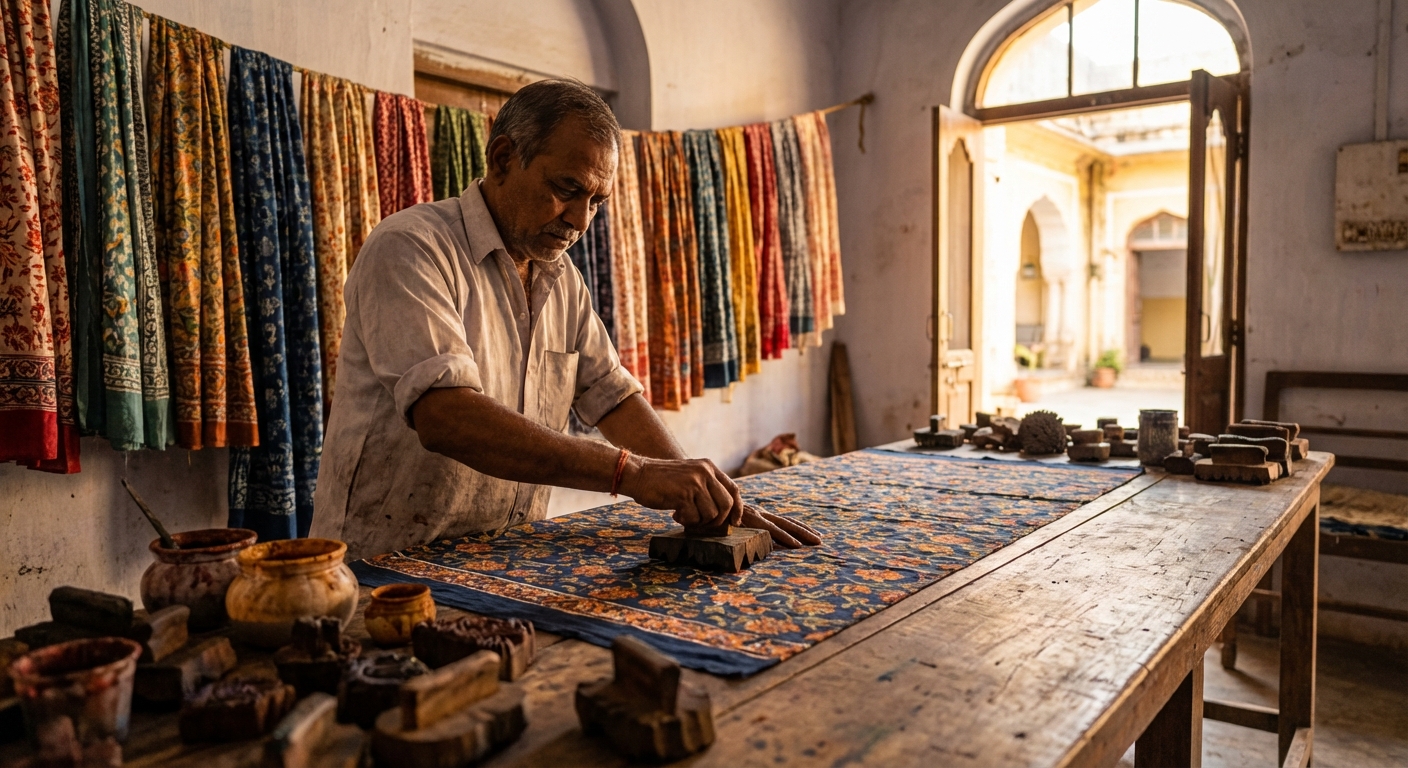
The regions surrounding Jaipur have perfected hand-block printing techniques over multiple generations, producing:
- Naturally dyed cotton fabrics using vegetable and mineral colorants
- Intricate geometric and floral patterns
- Sustainable production methods appealing to eco-conscious consumer markets
These artisan products command premium pricing in European, North American, and Japanese markets where authentic craftsmanship and sustainability narratives drive purchasing decisions.
Tie-Dye (Bandhani) Specialization
Rajasthani bandhani work—involving intricate resist-dyeing through thread-binding before coloring—creates distinctive patterns impossible to replicate through mechanical processes. Sourcing these products connects international buyers with:
- Unique product differentiation
- Artisan community support narratives
- Limited production runs ensuring exclusivity
Commercial Textile Manufacturing
Beyond artisan production, Rajasthan hosts modern textile manufacturing facilities producing:
Cotton Yarn and Fabrics
- Ring-spun cotton yarns (20s to 80s counts)
- Woven cotton fabrics for apparel and home textiles
- Blended fabrics incorporating synthetic fibers
Synthetic Textiles
- Polyester fabrics for fashion and technical applications
- Viscose and rayon materials
- Specialized performance fabrics
These commercial facilities meet international quality certifications (OEKO-TEX, GOTS, BCI) and can accommodate container-volume orders with consistent quality parameters.
Carpet and Floor Covering Production
Rajasthan's carpet industry, particularly concentrated in Jaipur and Bikaner, produces:
- Hand-knotted wool carpets using traditional Persian and Mughal designs
- Tufted carpets for commercial applications
- Flat-weave dhurries and kilims
- Cotton and jute floor coverings
With production capabilities ranging from artisan workshops to mechanized facilities, buyers can source across price points and quality tiers based on specific market requirements.
Handicrafts and Artisan Products: Cultural Capital as Commercial Asset
Rajasthan's artistic traditions extend across multiple craft categories, each offering distinct sourcing opportunities for international markets.
Gems and Jewelry Manufacturing
Jaipur as Global Gem Processing Hub
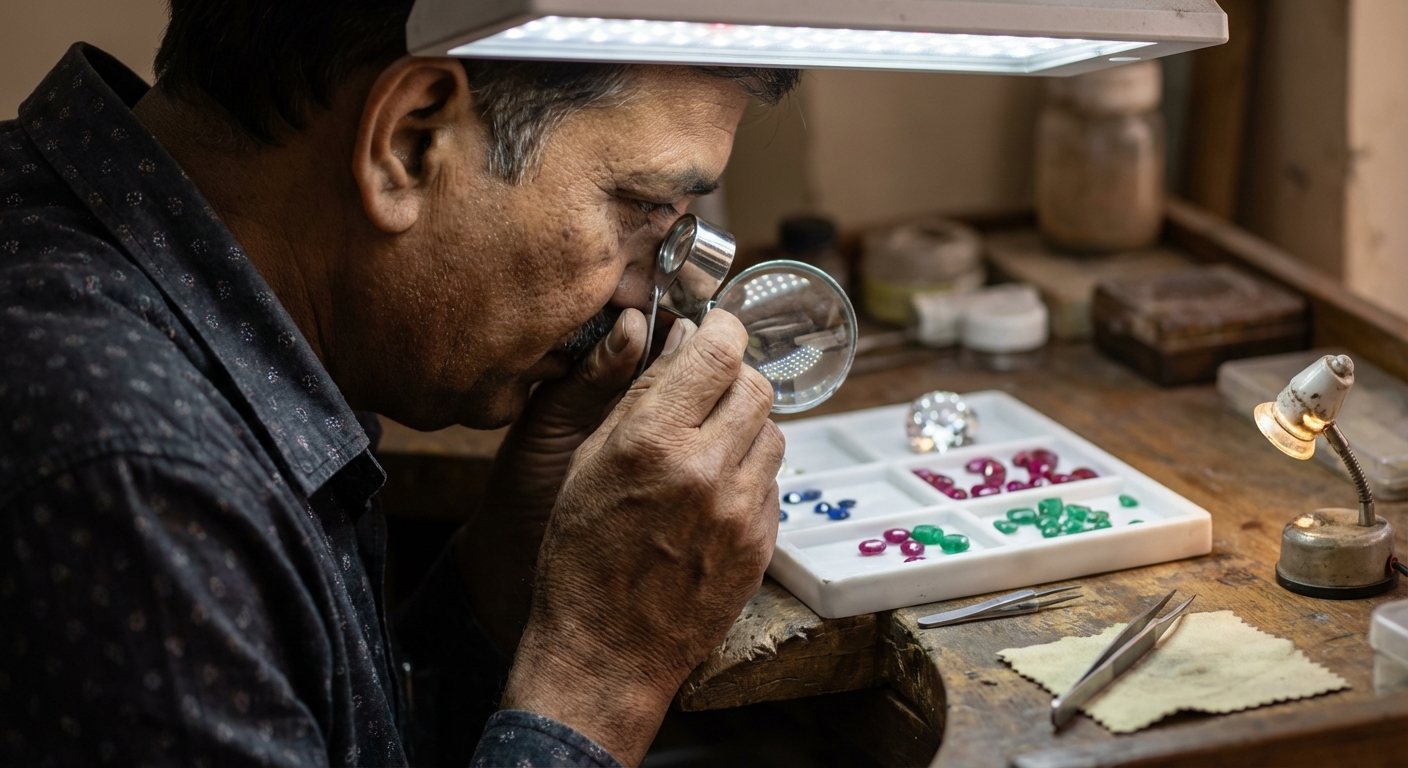
Jaipur has evolved into one of the world's largest colored gemstone cutting and polishing centers, processing:
- Emeralds sourced from Zambia, Brazil, and Colombia
- Rubies and sapphires from African and Southeast Asian origins
- Semi-precious stones including amethyst, citrine, garnet, and topaz
The city's skilled artisan base—numbering over 100,000 workers—provides capabilities in:
- Precision faceting across all standard and custom cuts
- Calibrated stone production for jewelry manufacturing
- Customized cutting to buyer specifications
Jewelry Design and Manufacturing
Beyond gemstone processing, Rajasthan's jewelry sector produces:
- Kundan and meenakari traditional jewelry (gold-based with enamel work)
- Contemporary silver jewelry for Western markets
- Fashion jewelry using base metals and synthetic stones
- Costume jewelry for volume retail markets
These facilities serve both luxury brand suppliers and mass-market retailers, with production capabilities scalable to order volumes.
Blue Pottery and Ceramic Crafts
Jaipur's distinctive blue pottery—characterized by turquoise glazing and Persian-influenced designs—represents a unique craft tradition. Modern studios produce:
- Decorative items (vases, plates, bowls)
- Tile work for architectural applications
- Customized corporate gifts
- Home décor accessories
While production volumes remain relatively limited due to artisan-intensive processes, the products command premium positioning in international home décor markets.
Leather Goods Manufacturing
Jodhpur's leather industry specializes in:
- Vegetable-tanned leather products
- Footwear (traditional juttis and contemporary designs)
- Bags, belts, and accessories
- Furniture upholstery leather
The sector increasingly emphasizes sustainable tanning processes and ethical sourcing, aligning with evolving international standards and consumer preferences.
Wood Craft and Furniture
Rajasthan's furniture sector produces:
- Carved wooden furniture using sheesham (Indian rosewood) and mango wood
- Hand-painted furniture with traditional Rajasthani motifs
- Contemporary furniture designs for export markets
- Decorative wooden items and sculptures
Manufacturing clusters near Jodhpur and Udaipur combine traditional joinery techniques with modern finishing processes, creating products that balance aesthetic appeal with functional durability.
Renewable Energy: Positioning for Future Markets
Rajasthan's renewable energy sector represents the state's forward-looking industrial evolution, transitioning from traditional strengths to emerging technology domains.
Solar Energy Infrastructure and Components
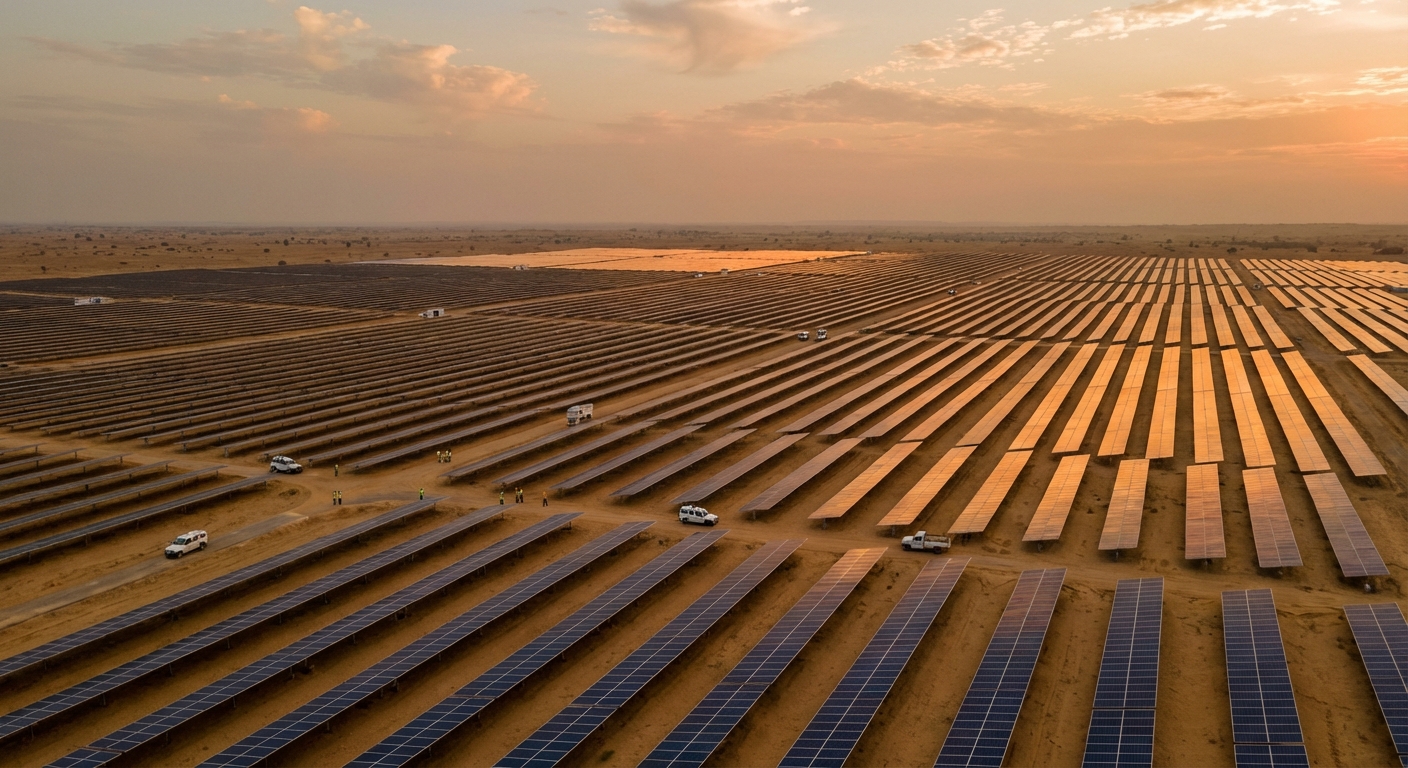
With approximately 325 sunny days annually and vast open land areas, Rajasthan leads India in solar power generation capacity. This expertise extends to manufacturing and supplying:
Solar Panels and Modules
- Photovoltaic module assembly facilities
- Solar cell manufacturing units
- Customized panel configurations for specific applications
Balance of System Components
- Solar mounting structures
- Inverters and power conditioning equipment
- Monitoring and control systems
- Energy storage solutions
For international buyers in renewable energy development, Rajasthan offers both component sourcing and partnership opportunities with experienced solar implementation specialists.
Wind Energy Equipment
The state's western regions experience consistent wind patterns supporting commercial wind power generation. Associated manufacturing includes:
- Wind turbine component fabrication
- Tower manufacturing facilities
- Electrical equipment for wind farms
Agricultural and Food Products: From Farm to International Table
While Rajasthan's arid climate presents agricultural challenges, the state has developed specialized crop production in specific categories with strong export potential.
Spice Production and Processing
Cumin (Jeera) Dominance
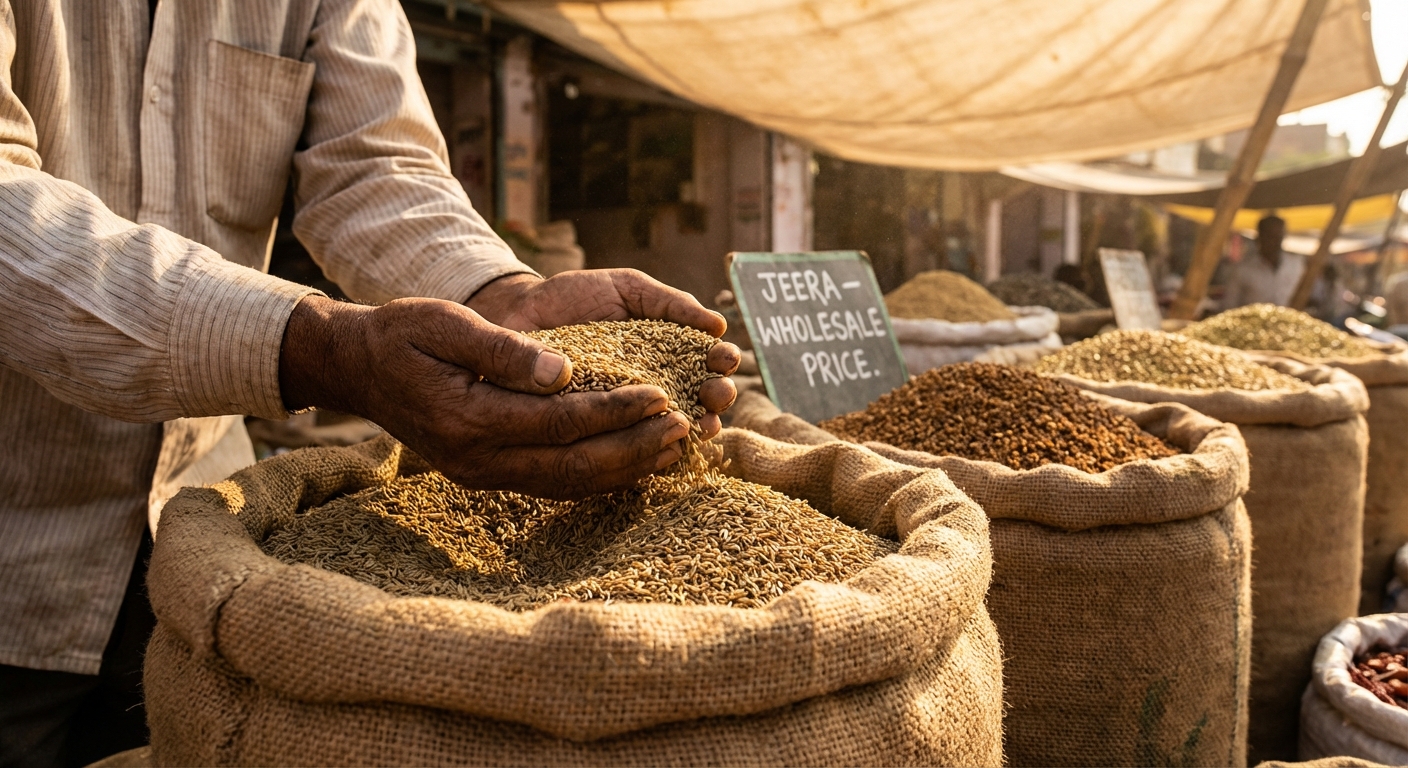
Rajasthan produces over 60% of India's cumin—making it the world's largest cumin growing region. Modern processing facilities offer:
- Mechanically cleaned and sorted cumin
- Steam sterilization for food safety compliance
- Customized packaging for retail and industrial buyers
- Organic cumin from certified farms
Fenugreek (Methi) and Other Spices
Additional spice crops include:
- Fenugreek seeds and leaves
- Coriander seeds
- Fennel seeds
- Chili peppers (specific varieties)
Processing facilities can provide whole spices, ground powders, or customized blends meeting buyer specifications.
Mustard Oil and Oilseeds
Rajasthan ranks among India's top mustard-producing states, supporting:
- Cold-pressed mustard oil production
- Refined edible oils
- Mustard seed cake for animal feed
- Organic and conventional varieties
Processed Foods and Value-Added Products
Food processing units across the state produce:
- Pickles and chutneys using traditional recipes
- Papad (lentil wafers) and snack foods
- Dehydrated vegetables
- Packaged traditional sweets
- Millet-based products (increasingly popular in health-conscious markets)
Infrastructure and Logistics: Connecting Inland Production to Global Markets
Despite lacking coastal access, Rajasthan has developed robust logistics infrastructure facilitating efficient export operations.
Inland Container Depots (ICDs)
Major ICDs operating in the state include:
Jaipur ICD (Kanakpura)
- Handles containerized cargo with full customs clearance facilities
- Rail connectivity to major ports (Mundra, Pipavav, JNPT)
- Specialized handling for fragile goods (marble, handicrafts)
Jodhpur ICD
- Services western Rajasthan manufacturing zones
- Facilitates exports of textiles, handicrafts, and agricultural products
Bhilwara and Bhiwadi ICDs
- Support regional manufacturing clusters
- Provide last-mile connectivity reducing transportation costs
Port Connectivity
Rajasthan exporters primarily utilize:
- Mundra Port (Gujarat): Approximately 550-650 km from major Rajasthan cities
- Pipavav Port (Gujarat): Serves as alternative for specific shipping lines
- JNPT Mumbai: Used for certain international routes and specialized cargo
Well-established trucking networks and dedicated freight corridors ensure competitive transit times and costs despite inland location.
Air Cargo Facilities
Jaipur International Airport operates cargo terminals handling:
- High-value, low-volume shipments (gems, jewelry, samples)
- Time-sensitive exports
- Perishable goods requiring rapid transit
Business Environment: Regulatory and Support Framework
Understanding Rajasthan's business facilitation infrastructure helps international buyers establish effective sourcing relationships.
Export Promotion Organizations
Rajasthan State Industrial Development and Investment Corporation (RIICO)
- Develops industrial areas and infrastructure
- Facilitates business setup and expansion
- Provides information on manufacturing clusters
District Industries Centers
- Offer localized business support
- Connect buyers with manufacturer databases
- Facilitate site visits and vendor meetings
Quality Certification Infrastructure
Testing and certification facilities across the state provide:
- Materials testing for minerals and metals
- Textile testing laboratories
- Food safety and quality certification
- Export product inspection services
These facilities ensure products meet international standards and buyer specifications before shipment.
Trade Facilitation Schemes
Exporters in Rajasthan can access various government incentive programs:
- Export promotion capital goods (EPCG) scheme
- Duty drawback provisions
- MEIS (Merchandise Exports from India Scheme) benefits
- GST refunds on export transactions
Understanding these mechanisms helps buyers negotiate competitive pricing while ensuring supplier sustainability.
Sector-Specific Sourcing Strategies
Different product categories require tailored sourcing approaches when working with Rajasthan suppliers.
For Mineral and Stone Products
Recommended Approach:
- Visit quarries and processing facilities to assess material quality and consistency
- Request geological reports and material certifications
- Verify processing capabilities match your specification requirements
- Establish quality control protocols including pre-shipment inspection
- Negotiate payment terms accounting for processing timelines (typically 20-45 days)
Critical Considerations:
- Natural variation in stone materials requires tolerance ranges
- Container stuffing expertise prevents damage during transit
- Understanding Indian export documentation specific to mineral products
For Handicrafts and Artisan Products
Recommended Approach:
- Identify reputable export houses with established artisan networks
- Provide detailed design specifications and quality parameters
- Request sample production before committing to volume orders
- Understand production capacity limitations in artisan sectors
- Build longer-term relationships recognizing seasonal production variations
Critical Considerations:
- Handcrafted products inherently contain minor variations
- Production lead times typically longer than mechanized goods
- Ethical sourcing and artisan welfare increasingly important to end consumers
For Textiles and Apparel
Recommended Approach:
- Distinguish between artisan and commercial production capabilities
- Specify quality standards and testing requirements upfront
- Verify compliance certifications (GOTS, OEKO-TEX, etc.)
- Conduct factory audits for social compliance if required
- Establish clear communication on color matching and quality tolerances
Critical Considerations:
- Seasonal variations may affect production schedules
- Minimum order quantities vary significantly between artisan and commercial suppliers
- Lead times for custom designs require adequate planning